
Furnace Installation in Vermont
Homes in Vermont need heat for more months of the year than in 35 of the other 49 states.
Tell us about the job
Takes about a minute. No obligation.
- 12°Fwinter overnight low where people live
- 9 monthsof heat, September through May
- $16.61 per million Btuwhat homes paid for natural gas in 2024 (Btu means British thermal units, a measure of heat)
- 595winter storms from 2015 to 2024
Heating oil runs expensive here efficiency keeps more off your bill
- Winter nights average 12°F where people live
- Heat runs September through May
- 595 winter storms from 2015 to 2024
- Climate zone 6A across the state
- 21% of homes lost power a day or more in 2024
- Even heat in every room, because the furnace is sized to the house instead of cycling on and off to catch up
- One date, picked ahead of time, instead of an emergency replacement on the coldest night of the year
- The old furnace disconnected, capped and hauled off properly, gas or oil line included, so nothing is left live or half finished
- A chimney that's capped or relined if the new furnace no longer needs it, so nothing vents where it shouldn't
- A burner that runs long and steady instead of short-cycling, which is easier on the heat exchanger and the igniter over time
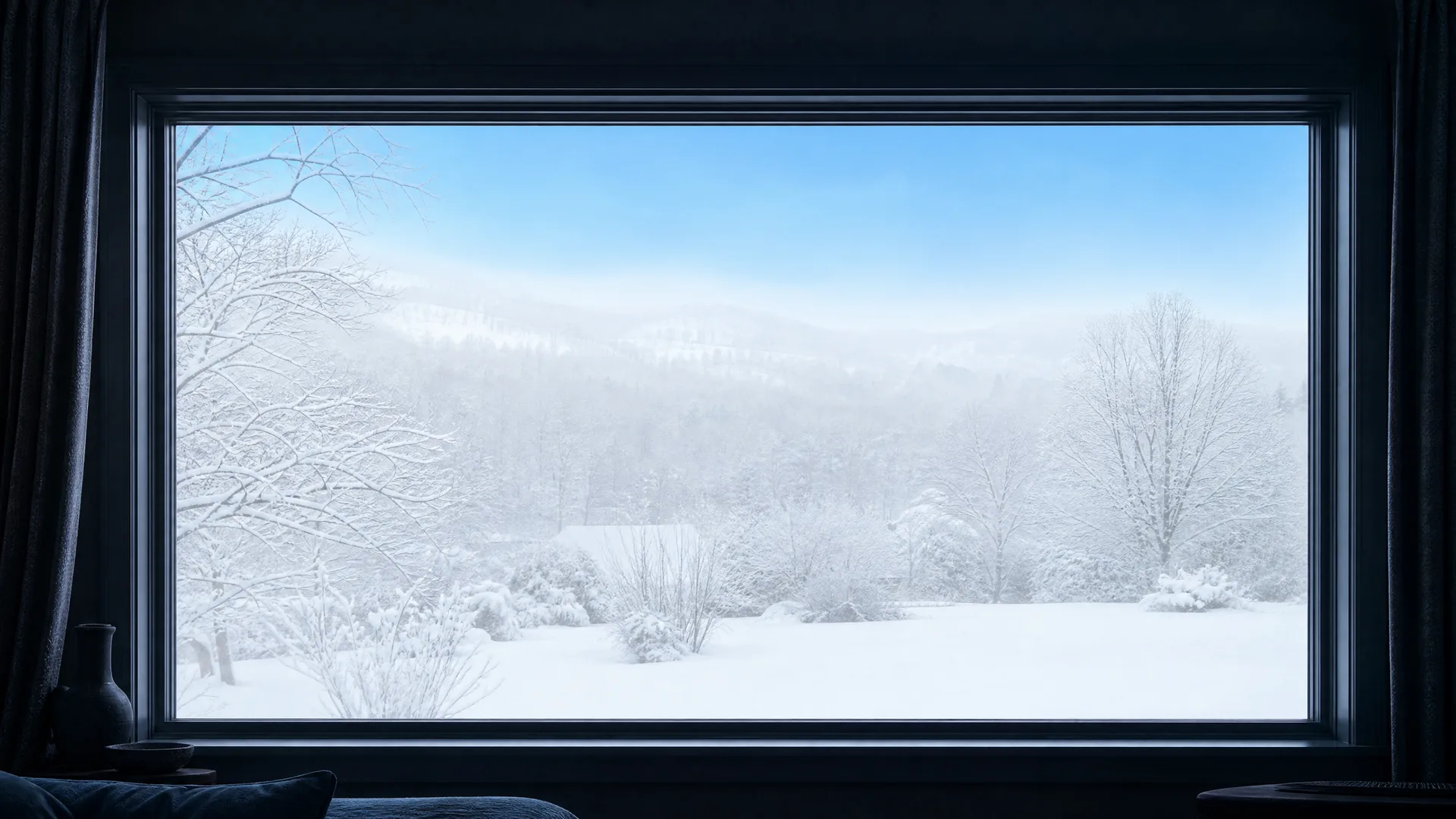
August is the month to get this done, before the heat goes on in September. A furnace put in under pressure, because the old one failed on a cold night, means taking whatever install date a crew has open. Doing it in August means picking the day yourself and having the system checked over before it has to work.
Furnace season in Vermont runs September through May, nine months of the year. That's longer than most of the country sees, more than 35 other states. A furnace installed in August gets run before the cold sets in, so any issue with the install shows up while there's still time to fix it.
Nine months of heat means sizing matters more here
Vermont nights average 12°F through December, January and February, colder than 45 other states see. A furnace sized for a milder climate will run close to flat out most of the winter, and that's hard use on equipment built for lighter work. Sizing should match the house, not just whatever the old furnace happened to be. A unit that's too small for the place still has to run nearly every night once the cold sets in.
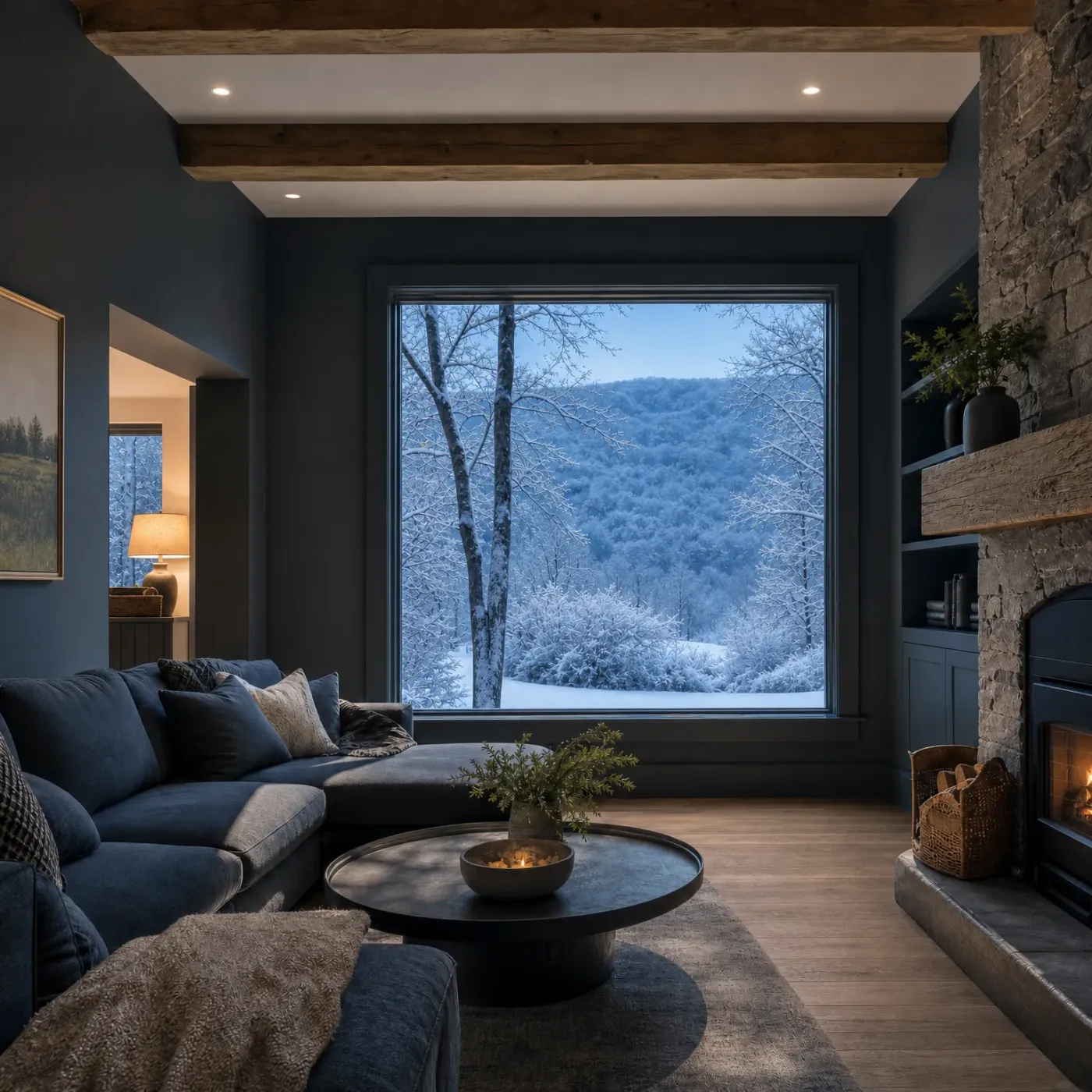
1 month of cooling, in July
9 months of heat, September through May
What does a furnace in Vermont face?
How cold do winter nights get?
12°Faverage overnight low where people live
North Dakota4°F
Hawaii65°F
How many months does the heat run?
9 monthsof heating a year
Hawaii0 months
Alaska12 months
What does natural gas cost?
$16.61per million Btu, what homes paid in 2024
Montana$7.77
Hawaii$53.25
How often do storms hit?
148severe weather events per county from 2015 to 2024
Alaska5
Wyoming1,057
How many homes lost power for a day or more?
21%of homes in 2024
Arizona7%
Maine54%
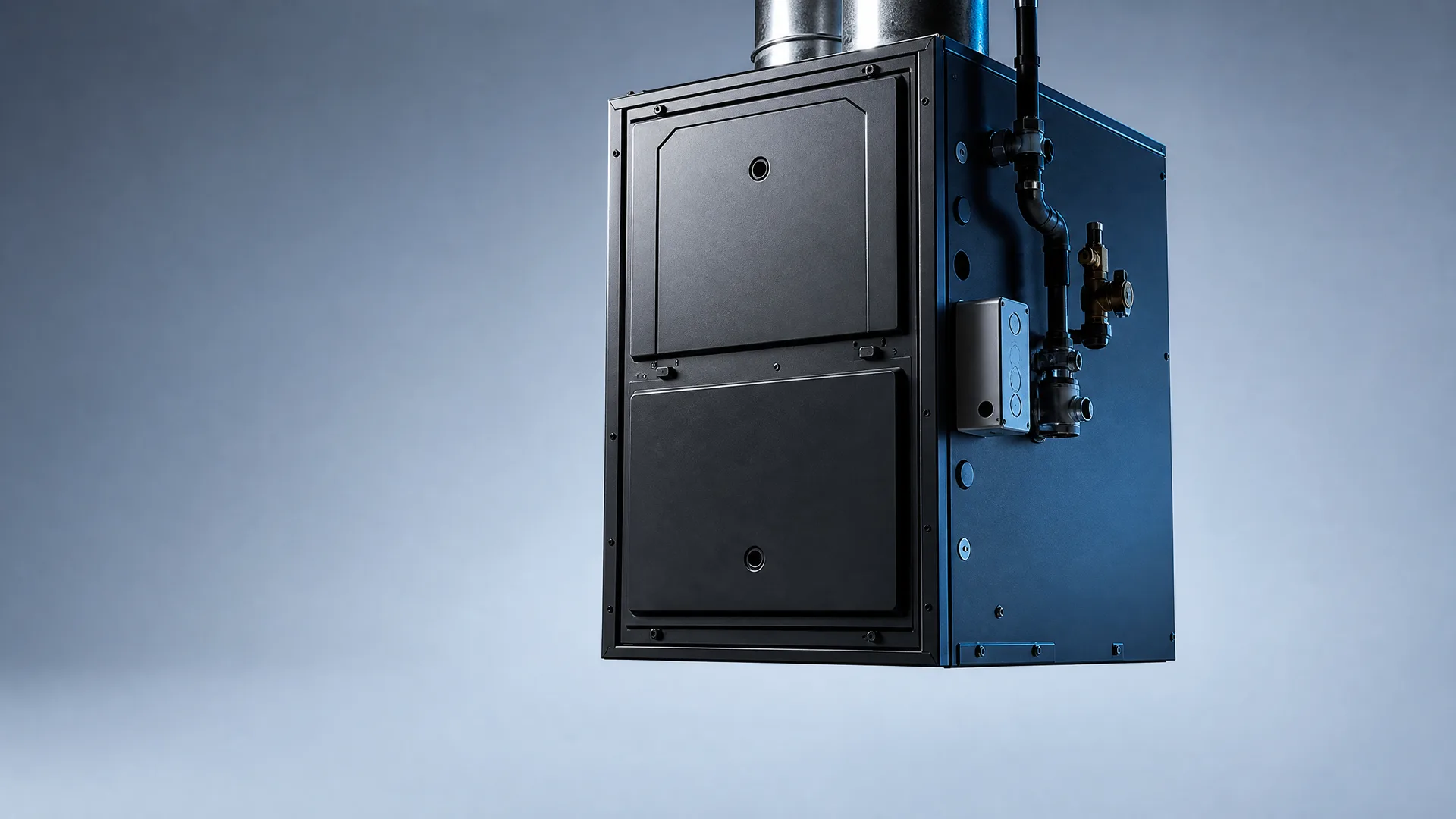
The right size comes from the house, not the old furnace
A furnace that's too big for the house doesn't heat it better. It heats the space fast, shuts off, then starts again a few minutes later. That on off cycling is harder on the heat exchanger and the igniter than a long steady run, and it leaves cold spots because the air never really circulates before the burner quits. Sizing a furnace right means working out how much heat the house actually loses on the coldest nights, through the walls, the windows, the roof, the floor over any unheated space. That's a room by room calculation, not a guess based on square footage or what's being pulled out. Square footage alone can't tell you how much glass a house has, which way it faces, or how well it holds heat once the sun goes down. Get the number too low and the furnace can't keep up when it matters most. Get it too high and the house never settles into the kind of steady, even heat a correctly sized system delivers.
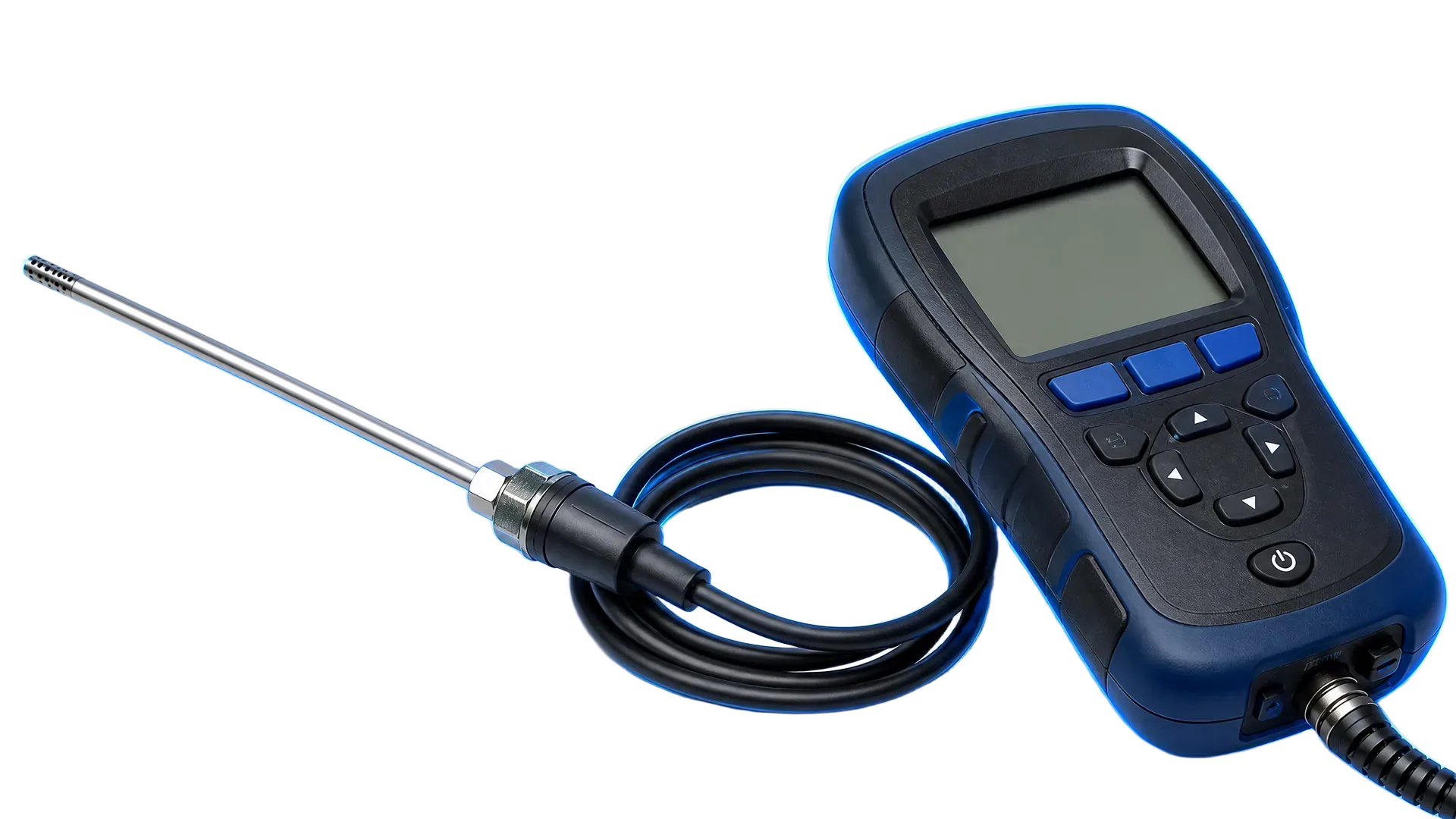
Taking out the old furnace is its own job
Pulling the old furnace out is part of the job, not an extra step tacked on. A contractor will disconnect the gas line and cap it, pull the venting, and disconnect the electrical before the unit ever gets unbolted from the plenum. If it's a fuel oil furnace, the supply line gets capped too, and any tank that's being abandoned needs to be handled on its own, emptied and either removed or sealed off properly. The old heat exchanger and cabinet get cut down and hauled off as scrap metal, which is why most of it gets recycled rather than landfilled. If the old system used a chimney for venting and the new one doesn't need it, that chimney may need to be capped or relined depending on whether anything else in the house still vents through it, like a water heater. None of this is optional cleanup. A line left live or a chimney left open the wrong way is a safety problem, not just a loose end.
An older house was built around an older system
Half the houses in Vermont were built in 1976 or earlier. An older house usually means the ductwork and the furnace location were laid out for a different system than what's going in now, sometimes a different fuel entirely. The duct sizing, the return air, the clearances around the unit, all of it was designed around whatever sat there decades ago. A new furnace has to work with that layout or the layout has to change. Most of the state's housing stock is single-family houses, which at least means a contractor is usually dealing with one furnace serving one house, not a shared system split across units.
Oil runs $26.53 per million Btu here, so a furnace that wastes heat wastes real money all winter.
Tell us about the job
Takes about a minute. No obligation.
Fill out the form and a licensed Vermont contractor gets in touch to size the job.