Oil runs expensive here
Fuel oil cost Vermont homes $26.53 per million Btu in 2024. If your furnace runs on oil, that cost sits behind every degree you ask it to raise.
Takes about a minute. No obligation.
Fuel oil cost Vermont homes $26.53 per million Btu in 2024. If your furnace runs on oil, that cost sits behind every degree you ask it to raise.
A furnace that wastes less fuel getting your house warm will show up in what you pay each month. In Morrisville, that difference is worth asking about before you pick a unit.
NOAA nClimDiv, 1991–2020 normals
Furnaces in Lamoille County start running in September.
Replace it in August and it's done before the first cold morning asks anything of it.



Lamoille County sits in climate zone 6A, a cold zone with winter that runs long. Any new gas furnace going in has to hit at least 80 percent AFUE, the federal floor for units built from November 2015 on. That number is set to rise to 95 percent in a few years, but it only applies to furnaces built after the change takes effect. Furnaces sold today already span that range, from models built to the current floor up to high-efficiency units well above it. With a furnace that runs for months at a stretch here, where it falls in that range is worth asking about before you decide.
Furnaces here run September through May, with overnight lows averaging 10°F through December, January and February. That's most of the year spent asking this system to work, not a few cold snaps. A furnace sized for that load holds up better than one picked without it in mind.
Find a contractor
Ask whoever quotes the job for a load calculation, not a guess based on square footage. A furnace that's too big short cycles, switching on and off instead of running a steady stretch, and that's harder on parts than a long, even run. One that's too small won't keep up on the mornings that sit at 10 degrees. Get the sizing right once, at install, and the rest of the job holds up.
A heat exchanger warranty and a parts warranty are not the same thing. Some manufacturers void coverage if the installer did not pull the right permit or if the unit was never registered after install. Ask what voids it and who is on the hook for labor if something fails down the road.
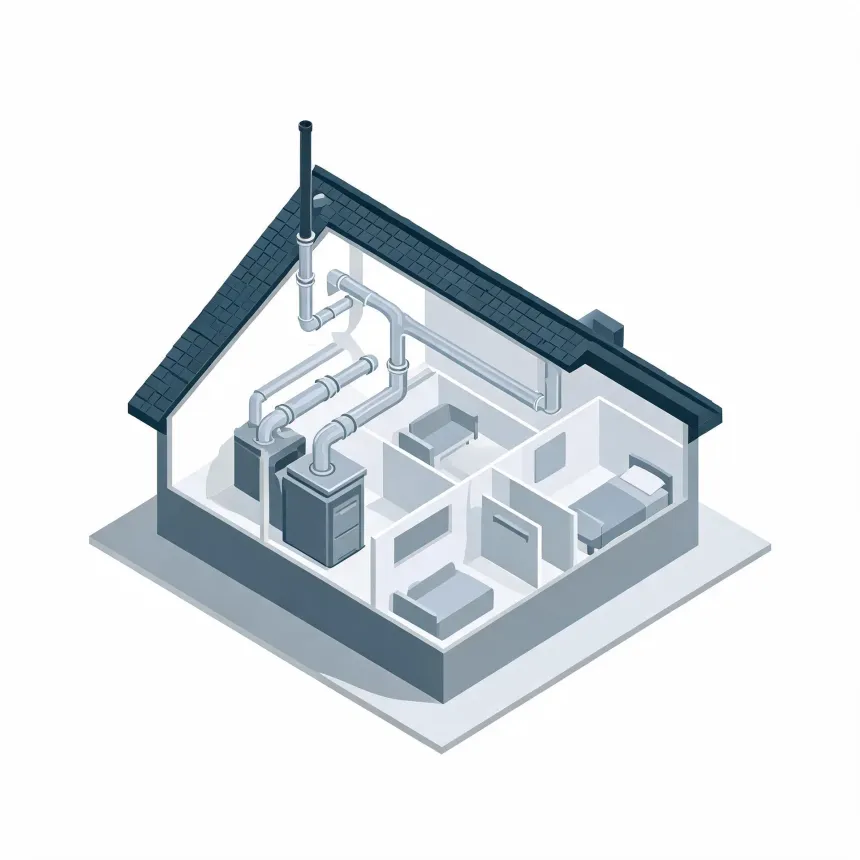
A higher efficiency furnace condenses flue gas and vents through PVC pipe out a sidewall, not up a chimney. That means new venting has to be run, sometimes through a wall where none existed before. Ask where the vent will go and what it takes to get it there, because that work is part of the job, not separate from it.
A load calculation looks at your walls, your windows, your ceiling height, how many rooms branch off each duct run, and what direction the house faces, then works out how much heat has to pour in to hold a temperature on the coldest morning. Square footage alone skips most of that. Houses the same size can need different sized furnaces because one has more glass facing north or higher ceilings in the main rooms. Oversize it and the furnace blasts the house up to temperature fast, shuts off, then cycles on again a short while later, which wears the heat exchanger and the igniter harder than a long steady run would. Undersize it and it never really catches up, running close to constant on the coldest days and still losing ground. The right size is the one that runs in long, even stretches and keeps up without strain, and the only way to land on it is the calculation, not a guess.
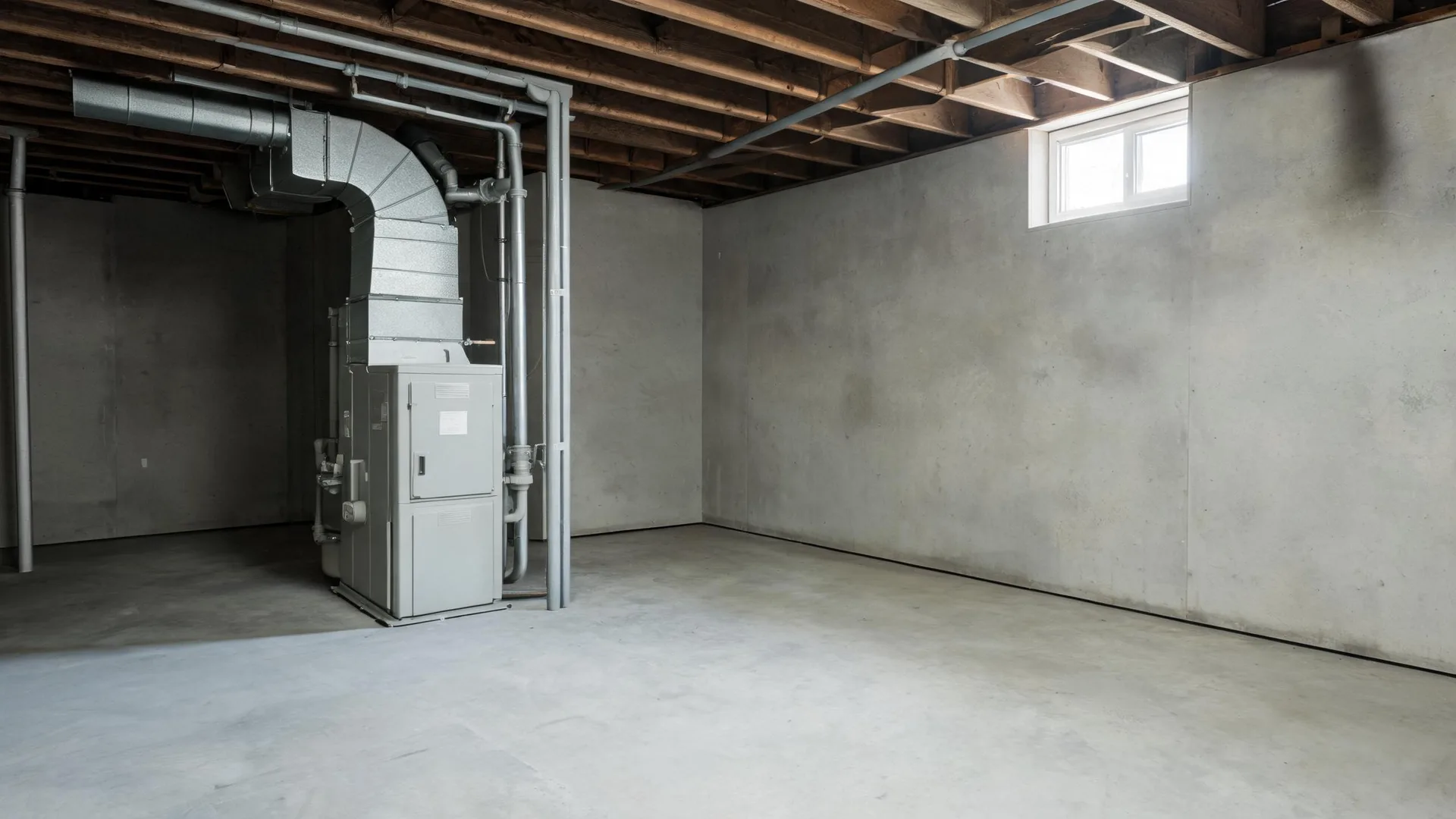
Install day starts with the old furnace coming out, and that's more than unbolting a box. The gas line gets capped or reconnected, the old venting comes down, and the ductwork gets checked where it ties into the plenum. If the new unit sits a different height or faces a different direction than the old one, that transition piece has to be rebuilt to fit, not forced. Once the new furnace is set and leveled, the vent pipe gets run to wherever it exits the house, the gas line gets pressure tested for leaks, and the electrical gets tied in. Then it's started up, checked for proper airflow across the heat exchanger, and the flame gets watched to make sure it burns clean and steady before anyone calls it done.