Boiler Installation in Vermont
Homes in Vermont need heat for more months of the year than in 35 of the other 49 states.
Tell us about the job
Takes about a minute. No obligation.
- 12°Fwinter overnight low where people live
- 9 monthsof heat, September through May
- $16.61 per million Btuwhat homes paid for natural gas in 2024 (Btu means British thermal units, a measure of heat)
- 595winter storms from 2015 to 2024
Fuel oil here runs $26.53 per million Btu a boiler's efficiency rating matters at that price
- Winter nights average 12°F where people live
- Heat runs September through May
- 595 winter storms from 2015 to 2024
- Climate zone 6A across the state
- 21% of homes lost power a day or more in 2024

An old house needs a boiler sized for what's already there
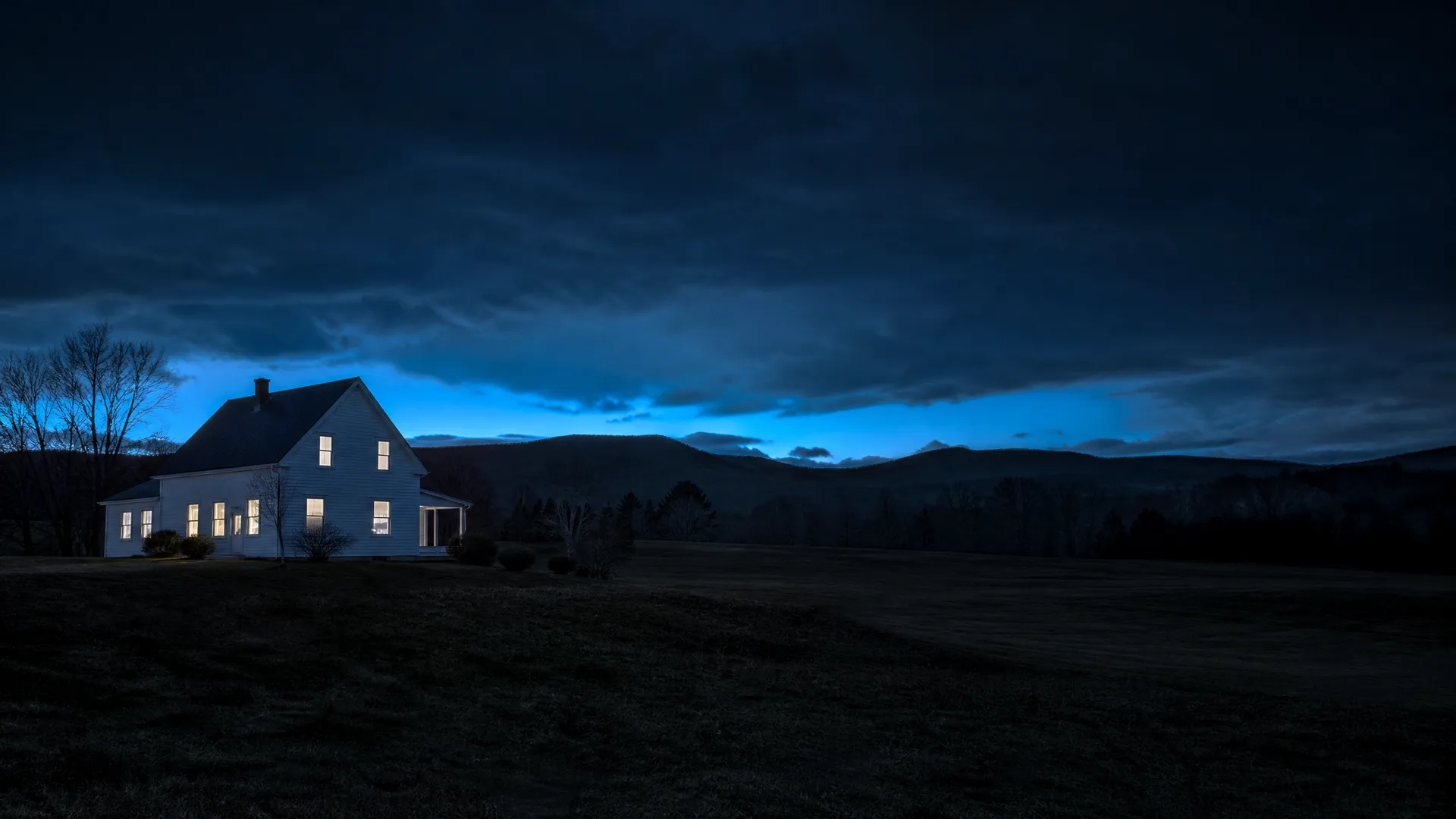
Half the homes in Vermont went up in 1976 or earlier. A boiler going into one of those houses has to match the pipes and radiators already there, sized for whatever system came before it, not for a generic install. Most Vermont housing is detached single-family, the kind of house where this matters most, since one boiler has to carry the whole place on its own. A boiler sized wrong for the radiators or baseboard already in place will run longer to get the same heat out of the house.
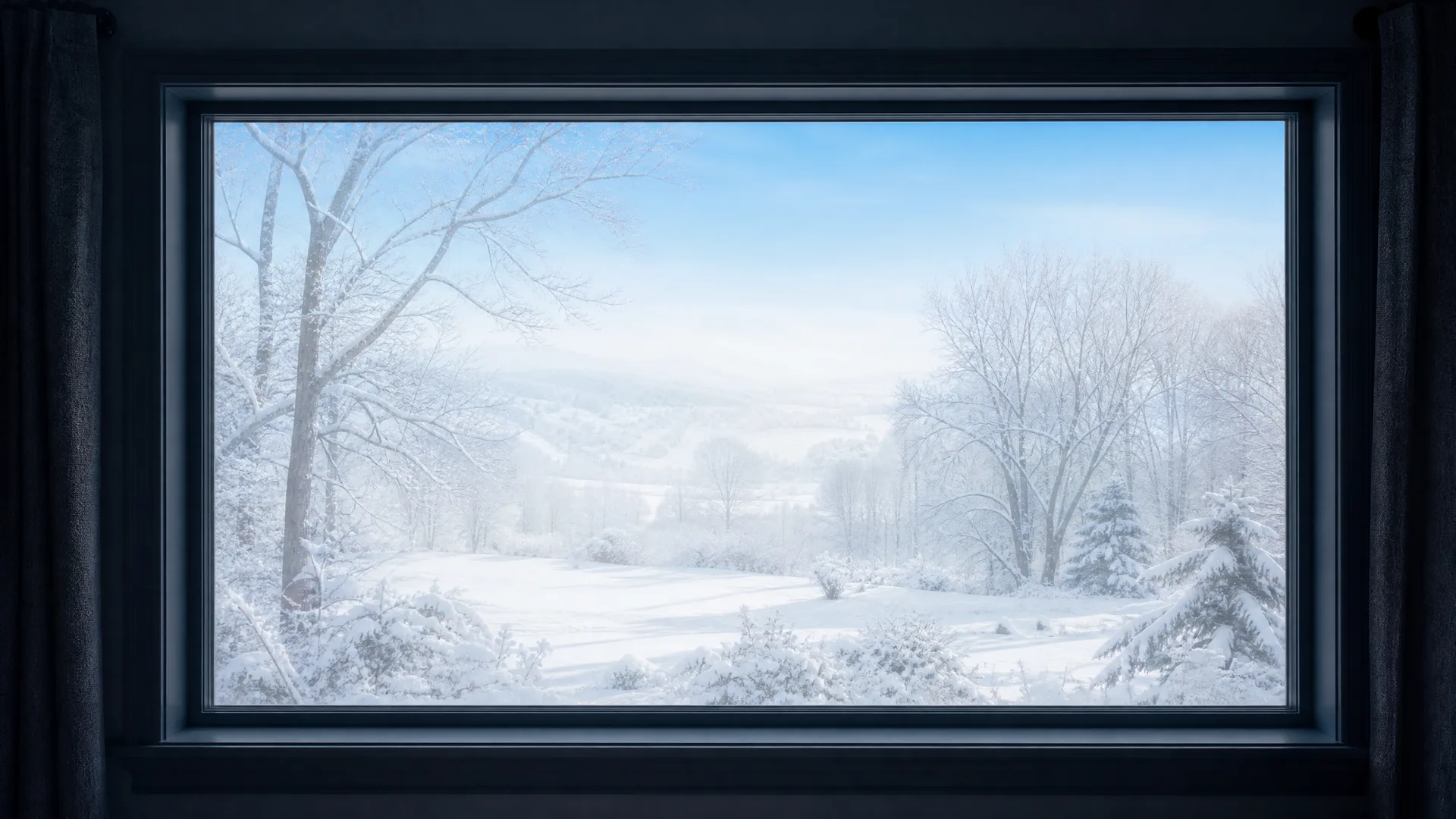
Boilers here run nine months a year, September through May. That's more months of heat than 35 other states need. A system that runs that long gets less rest between seasons than one in a milder state, and less rest means parts wear sooner.
The cold driving all that runtime averages 12°F on winter nights, colder than 45 other states see. A boiler sized for this has to hold up under real cold for months at a stretch, not a cold snap here and there. Size it for a mild winter somewhere else and it'll run longer here just to keep the house at temperature.
Install before September, not after
September is when heat usually kicks on here. Get a new boiler in before then and the contractor can size it right, test it, and work out any kinks with no one shivering in the next room. Wait until the first cold snap and you're choosing from whatever's in stock, on whatever schedule the crew has open.
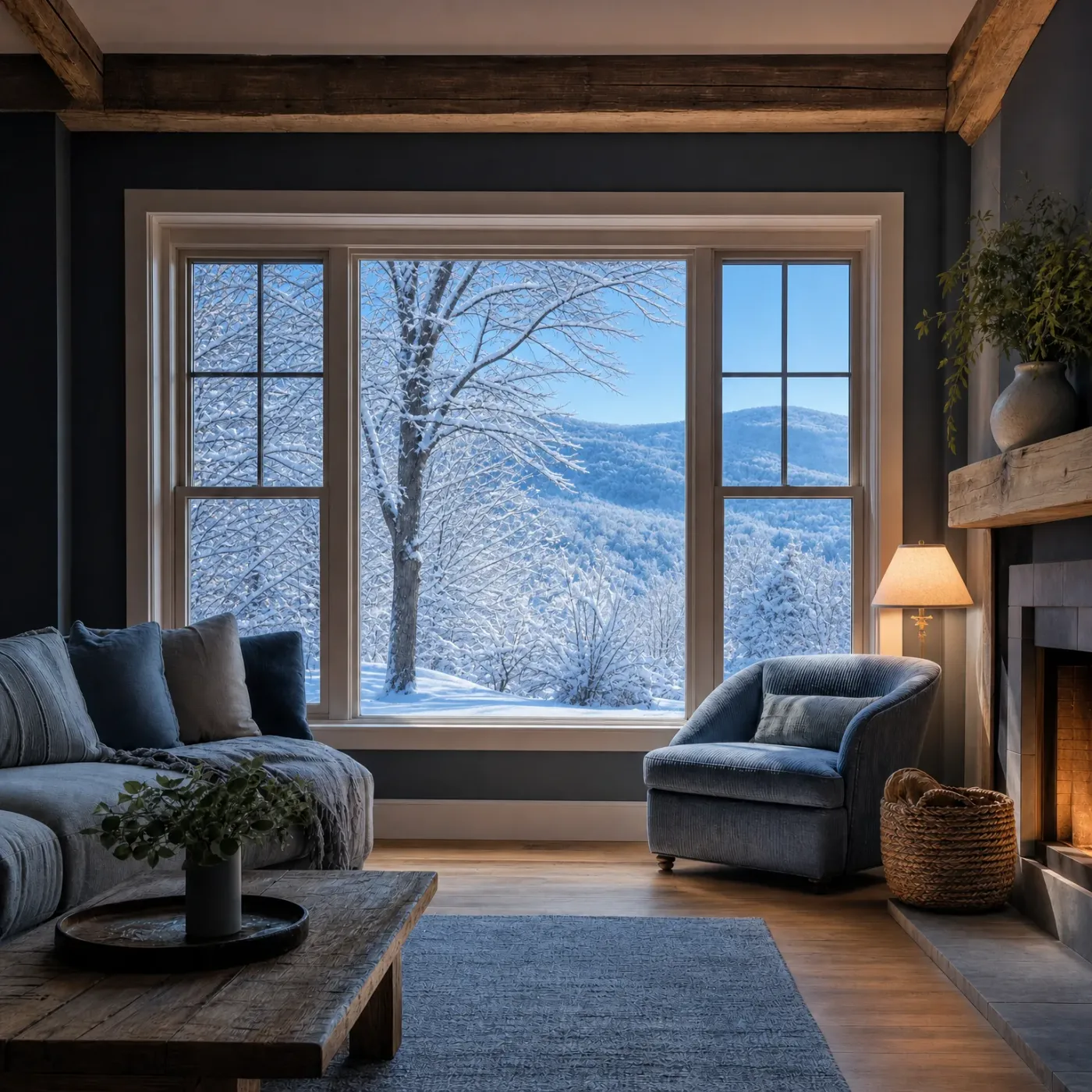
1 month of cooling, in July
9 months of heat, September through May
What does a boiler in Vermont face?
How cold do winter nights get?
12°Faverage overnight low where people live
North Dakota4°F
Hawaii65°F
How many months does the heat run?
9 monthsof heating a year
Hawaii0 months
Alaska12 months
What does natural gas cost?
$16.61per million Btu, what homes paid in 2024
Montana$7.77
Hawaii$53.25
How often do storms hit?
148severe weather events per county from 2015 to 2024
Alaska5
Wyoming1,057
How many homes lost power for a day or more?
21%of homes in 2024
Arizona7%
Maine54%
At this price per gallon, efficiency is what you're buying
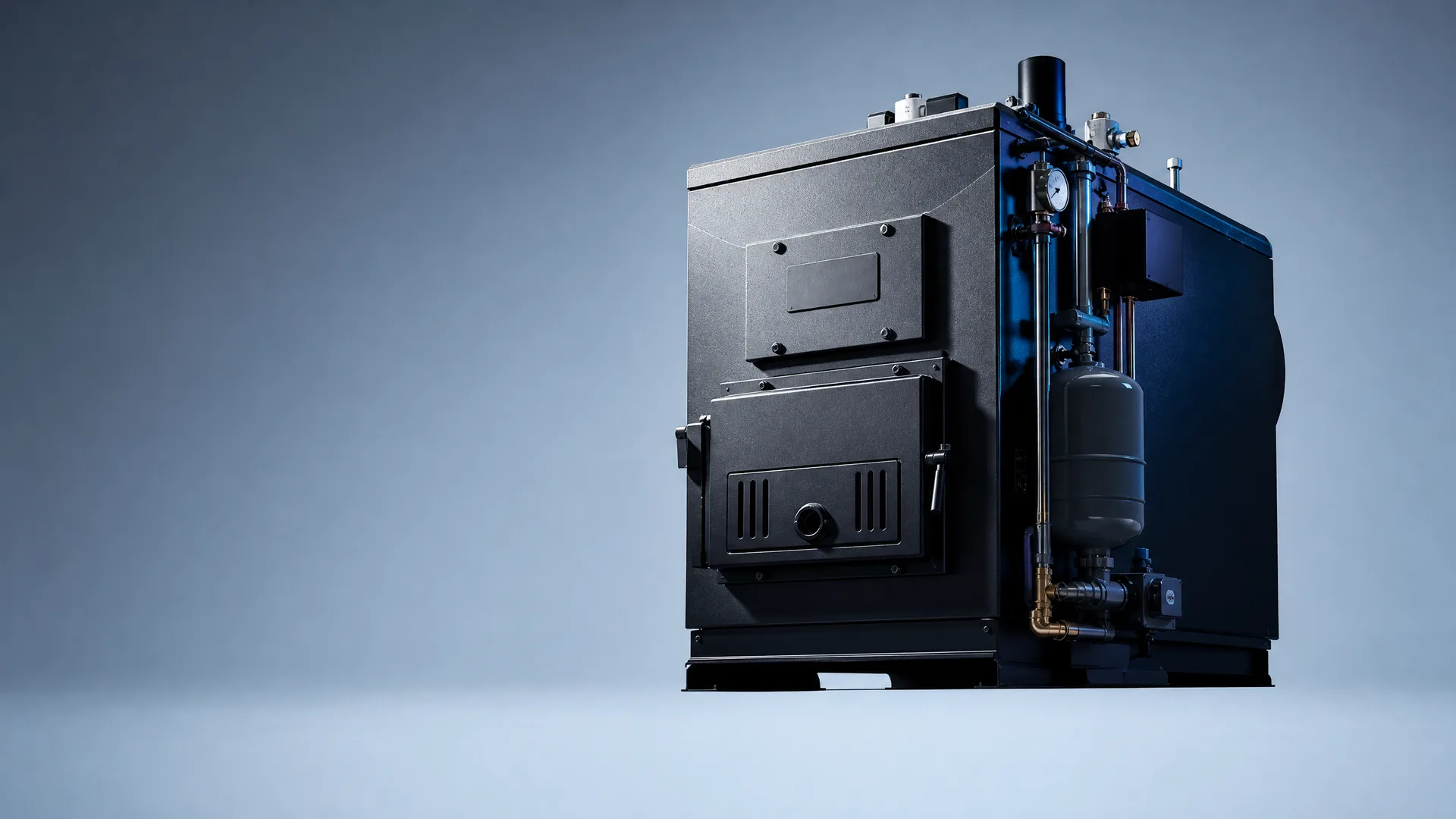
Fuel oil here runs $26.53 per million Btu, among the highest in the country. A boiler burns that fuel all winter, so every percentage point of efficiency it has or lacks shows up on the next delivery. The AFUE (annual fuel utilization efficiency, the share of the fuel a furnace turns into heat) number on a new boiler tells you how much of that fuel turns into heat for the house and how much goes up the flue. At this price, a unit that wastes fuel is an expensive habit, not a small one.
Why size is the first thing to get right
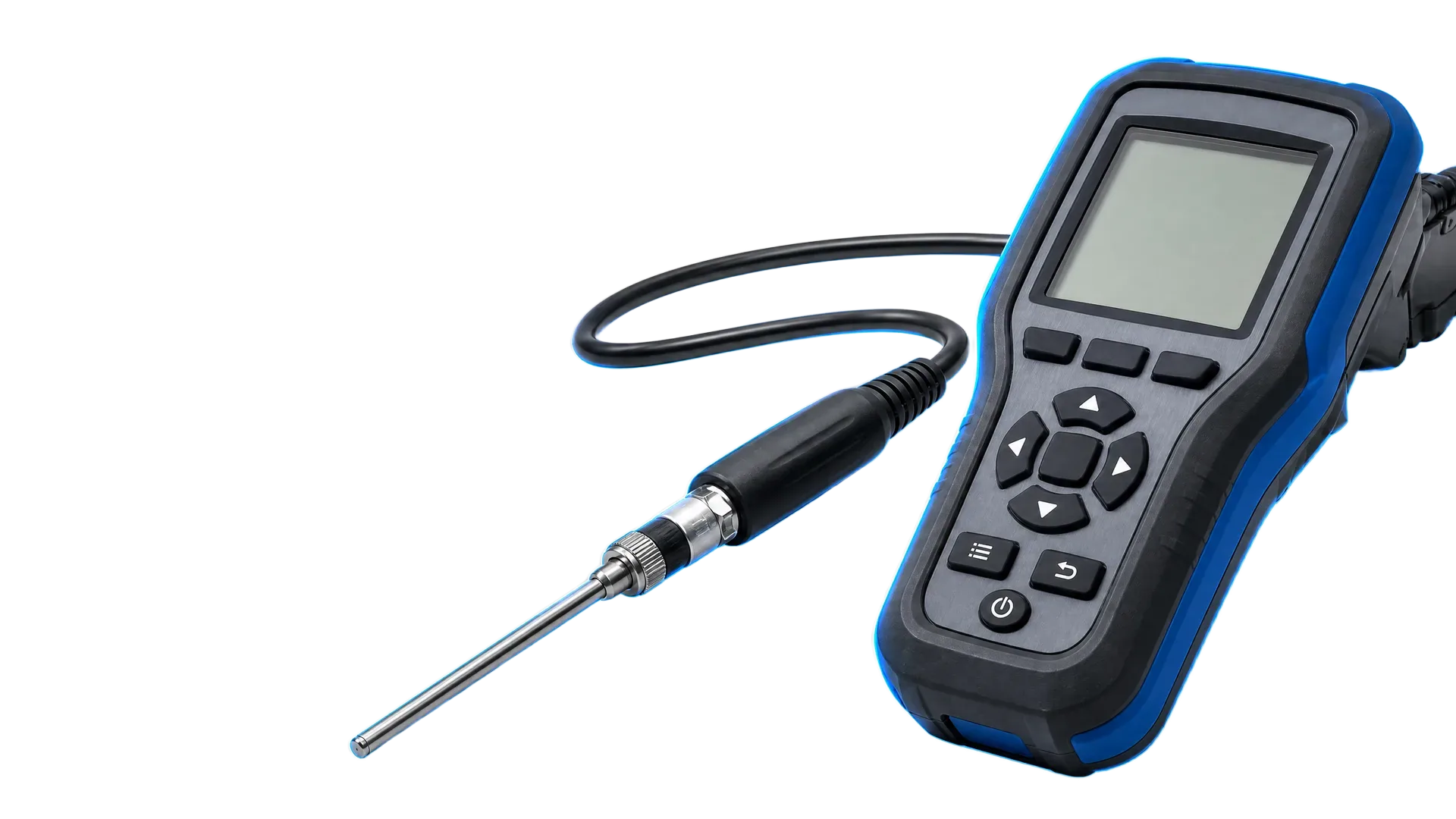
A boiler that's too big doesn't heat the house any faster. It short cycles, satisfying the thermostat before the water in the system ever comes up to a steady temperature, so it keeps starting and stopping without settling in. Each of those starts burns fuel before the burner is running efficiently. A boiler that's too small has the opposite trouble. It runs long and steady but can't catch up when it's coldest, so the house falls behind and stays there until the weather breaks. Getting the size right starts with the house, not the boiler. A contractor works out how fast the place loses heat through the walls, windows and roof, then sizes the boiler to replace that heat at the same rate. The radiators or baseboard already in the house matter just as much. They were built to give off heat at a certain flow of hot water, and the new boiler has to match that rate. Oversize it for them and the extra heat has nowhere to go. It's a calculation done room by room, not a guess.
Oil is what's already there
Most of Vermont heats with fuel oil already, so a boiler replacement is usually swapping one oil-fired unit for another, not switching fuels. Gas reaches less of the state, utility gas to 18% of homes and propane to 19%, so a boiler sized and piped for oil is the common job here, not the exception. That matters for installation because the fuel line, the tank and the venting are already built around oil. A straight swap uses what's there. Changing fuels means changing more than the boiler.
Fuel oil here runs $26.53 per million Btu, so the boiler you install decides what each delivery costs.
Tell us about the job
Takes about a minute. No obligation.
Fill out the form once and contractors who install boilers in Vermont will reach out with what your house needs.