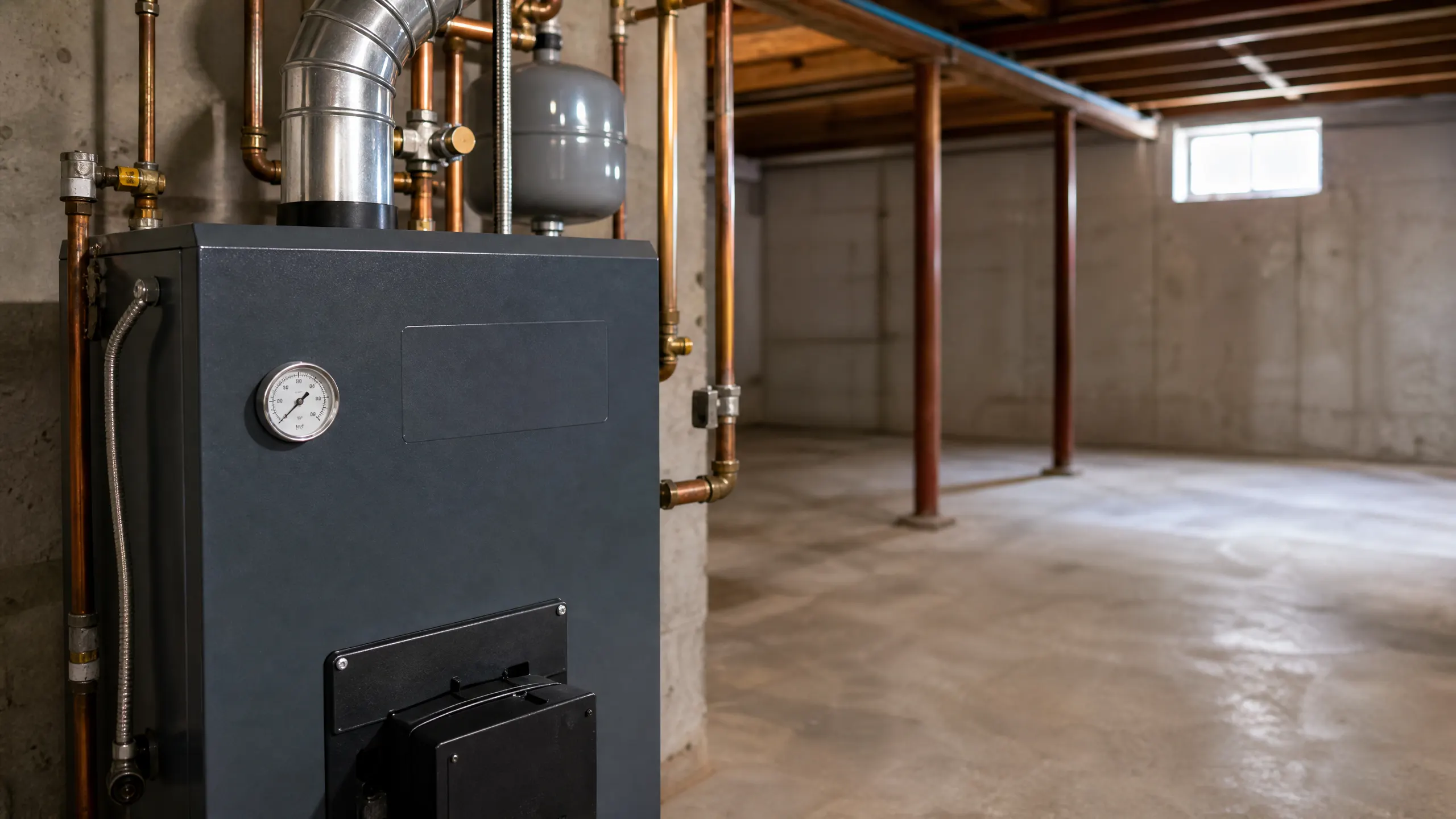
A hydronic boiler with copper pipes, an expansion tank, and a pressure gauge mounted in an unfinished concrete basement.

Boiler Installation in Morrisville, VT

Tell us about the job

Takes about a minute. No obligation.

New system or replacementBoilerLamoille County, VT
Step 1 of 2

What ZIP code is the job in?

Match the boiler to the heat emitters already there

A boiler sized for radiant floors runs at different water temperatures than one feeding cast iron radiators or baseboard. Whoever quotes the job should ask what the heat emitters are and size the boiler to match them, not just to the square footage of the house.


Ask how it vents

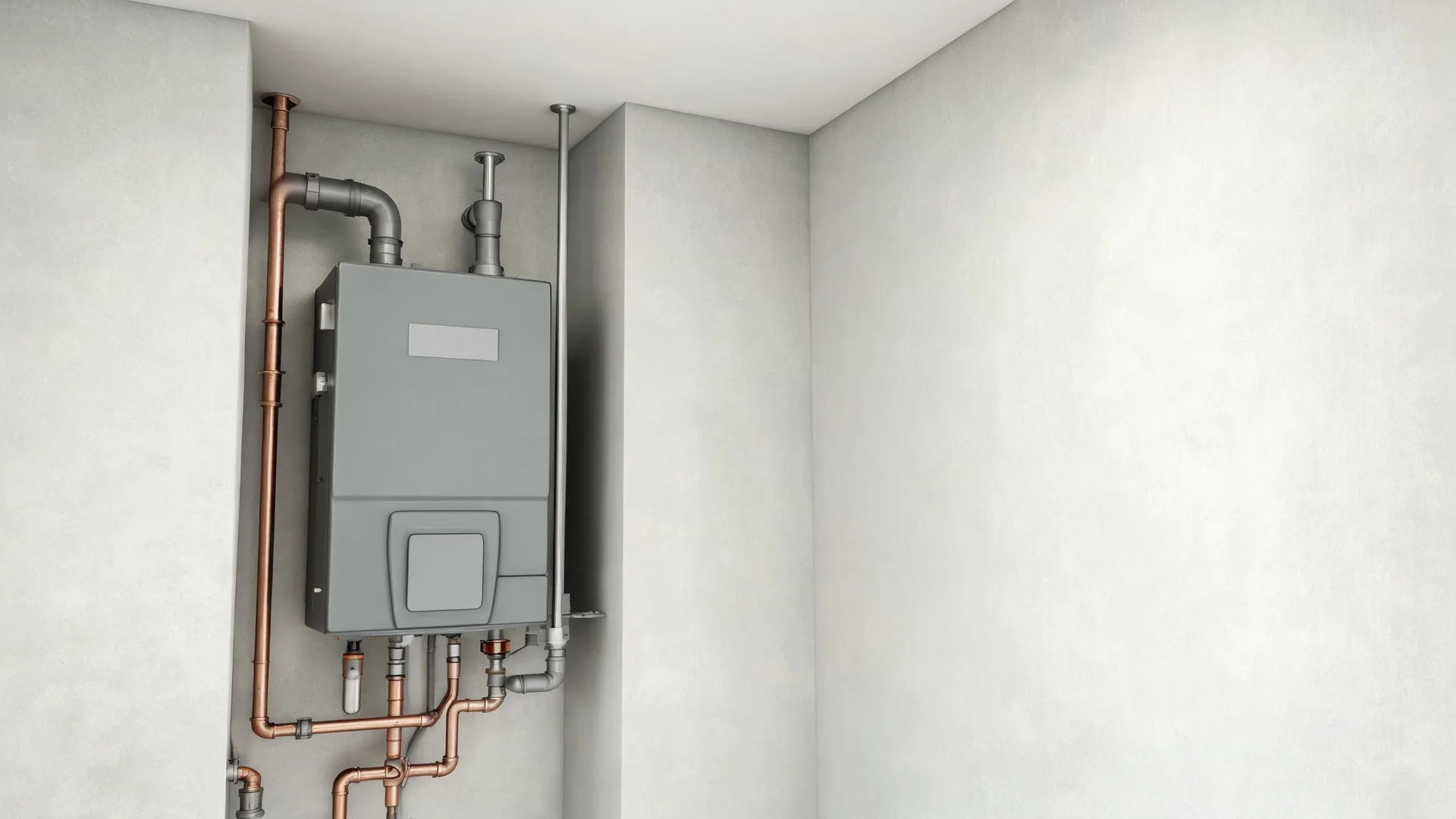
Older boilers vent through a chimney. Newer high efficiency models vent through a wall with plastic pipe and need a condensate drain for the acidic water they produce. That difference changes where the unit can go and what the installation involves, so it is worth asking which type you are getting and why.

Fuel oil or kerosene heats 41.1% of homes in Lamoille County, more than any other fuel.

Replacing an oil boiler with another one keeps the venting, the tank and the delivery setup you already have.

Get the new boiler in before September, not after the first cold snap

Heat runs September through May
Winter nights average 10°F
Climate zone 6A

A standard boiler sized to the house and its heat emitters is the right call here. Nothing about Lamoille County pushes you toward a bigger unit or a higher-end one. The county has seen 82 severe weather events over the past decade, mostly winter storms and damaging wind, and that points to a different question than size. A boiler won't fire without electricity, whatever size it is. Statewide, 21% of households went at least a day without power in 2024. If outages are a real concern on your road, ask the installer about a battery backup or standby generator sized to run the boiler, not about going bigger on the unit itself.

Efficiency pays here

Power costs more here, so an efficient system pays you back on every bill.

Find a contractor
A man in a cap, gray long-sleeve shirt and tan work pants carries a worn canvas tool bag up porch steps toward a dark gray front door beside a potted shrub.

Sizing comes from a heat loss calculation, not a square footage chart

A contractor works out how much heat the house actually loses on the coldest day, room by room, based on windows, walls and ceiling height. That number, not the square footage, tells you what size boiler to install.

Too big is its own problem

A boiler that outsizes the house short cycles, firing up and shutting off again before the water ever gets up to temperature. That wears out the parts faster and leaves rooms heating unevenly, so bigger is not the safer choice.

AFUE is the number on that label worth paying attention to. It tells you how much of each unit of fuel becomes heat in the house instead of going out the flue. A boiler rated higher at that number wastes less fuel doing the same job, every time it fires. The rating assumes the boiler is installed and vented the way it was designed to run, so a high-efficiency unit set up wrong will not perform at its rated number. That makes the install as important as the unit you choose. The label also tells you nothing about how the boiler is sized to the house, which is a separate question from how efficiently it burns fuel once it is running.

Installation day starts with draining the old boiler and disconnecting it from the pipes, the vent and the fuel line. It gets hauled out along with any venting that won't be reused. The new unit goes in place and the supply and return pipes get tied into it, along with the gas or oil line and the wiring for the controls. Venting goes in next, either tied back into the chimney or run out through the wall, and a condensate drain gets added if the boiler produces acidic water. The system then gets filled and the air gets purged from the lines, since trapped air causes noise and uneven heat later on. Before the installer leaves, the boiler gets fired and the flame gets checked, and every radiator or zone should be tested to confirm it's actually getting hot water.