Why your boiler is gurgling in Vermont

RepairBoilerVermont
Step 1 of 2

What ZIP code is the job in?

Why is my boiler making a gurgling noise?

A gurgling boiler usually isn't a sound you can ignore for long, especially once it shows up more than once. You're probably trying to figure out if this is something that waits until next week or something that gets worse by tonight. With an oil-fired system working hard through a Vermont winter, you want to know what's making that noise before it turns into a bigger repair.

Air or sludge in the system is making that gurgling sound

Gurgling almost always means air trapped in the pipes or radiators, or sediment that's built up in the bottom of the boiler. Air gets in when the system is refilled or loses pressure, and it collects at high points or wherever water has to push past it. Sludge builds up over years as minerals and rust settle out of the water, and it sits right where the burner is heating the water hardest. Either one makes the water move unevenly through the pipes, and that's the noise you're hearing. With oil heat running hard through a Vermont winter, a boiler with trapped air or sediment has to work harder to heat the same water, and that shows up on the oil bill before anything else fails.

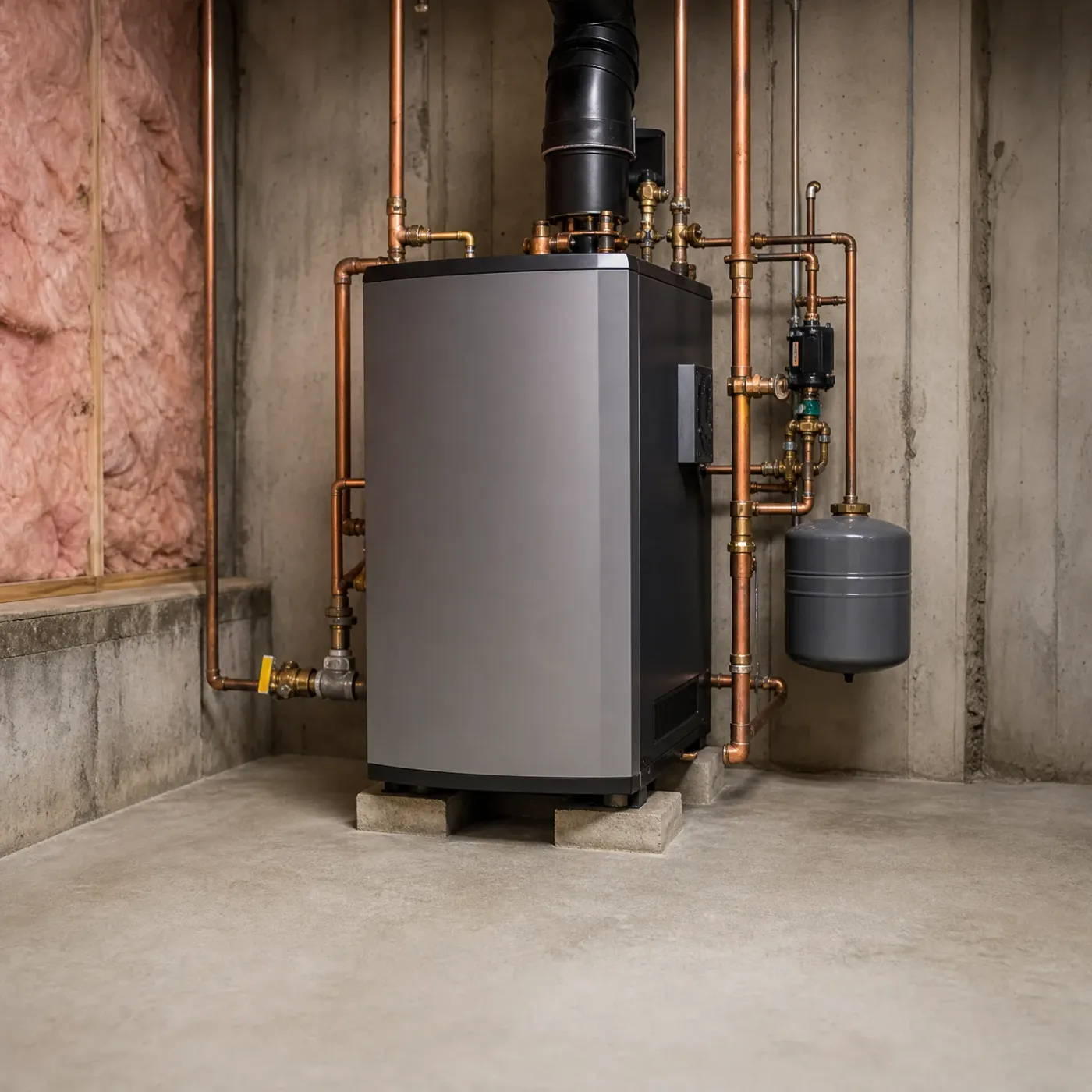
A gray and black boiler unit sits on concrete blocks in a basement corner, connected to copper piping, valves, a black flue duct, and a gray expansion tank, with bare concrete walls and exposed pink insulation at left.

Running quiet

Water moves through the pipes without a sound. The circulator pump hums low and steady, and the expansion tank holds enough air that pressure stays even as the water heats. No knocking, no hissing, nothing waking you up at 2 a.m. in January.

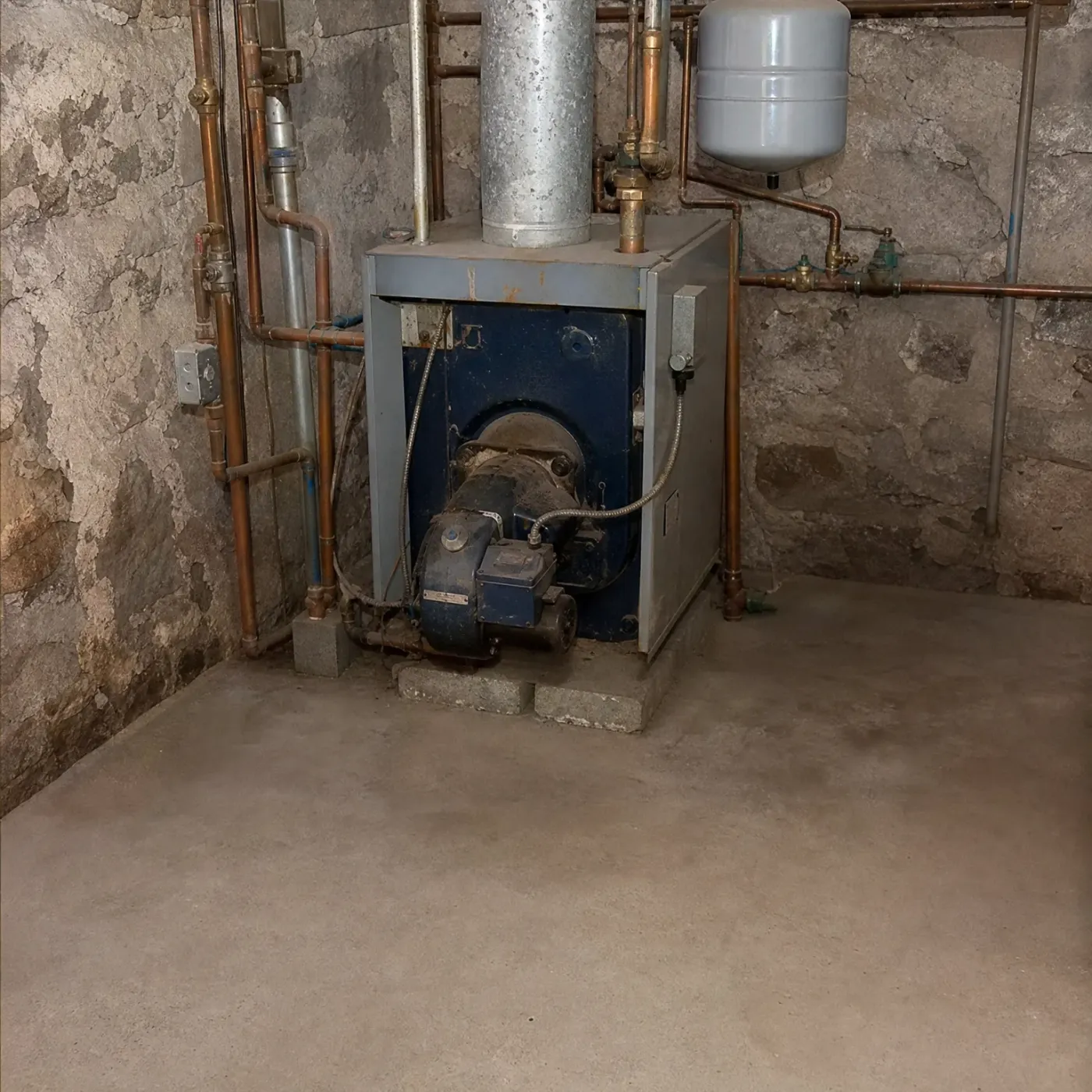
An oil-fired boiler with a blue and gray cabinet and burner sits on concrete blocks in a basement corner with stone walls, connected to copper pipes, a metal flue, and a wall-mounted expansion tank.

Running gurgling

Air is trapped somewhere in the loop, or the water level has dropped low in the expansion tank. The sound gets worse right after the burner kicks on, when the water starts moving and pushes that air through the pipes toward the radiators.

Bleed It Yourself or Call a Contractor

Bleed it yourself

  • Shutting the boiler off and opening the bleed valve lets trapped air escape, which is the usual cause of gurgling in a hot water system.
  • You'll need a key or screwdriver depending on the valve, and a cloth to catch the water that comes out behind the air.
  • Once a steady stream of water replaces the hissing air, the valve gets closed and the boiler can come back on.
  • If the gurgling stops after bleeding, the noise was air in the lines and nothing else was wrong.
  • This only reaches the radiators and pipes you can bleed, so a noise coming from inside the boiler itself won't clear this way.
  • Oil-fired systems common here still need the pressure checked afterward, since low pressure after bleeding points to a separate leak.

Call a contractor

  • Gurgling that comes back after bleeding usually means a failing circulator pump, a waterlogged expansion tank, or a leak losing pressure somewhere in the system.
  • A contractor working on boilers through Vermont winters knows which of those three shows up most and checks that one first.
  • Oil-fired boilers add parts a gas system doesn't have, so whoever looks at it should know the oil side as well as the water side.
  • One contractor means one visit and one diagnosis, not several opinions and several bills.
  • Vermont's electric rates make a struggling circulator pump cost you more every month it runs inefficiently, not just when it finally fails.
  • A boiler that keeps gurgling into deep winter risks a bigger failure right when you need the heat most.
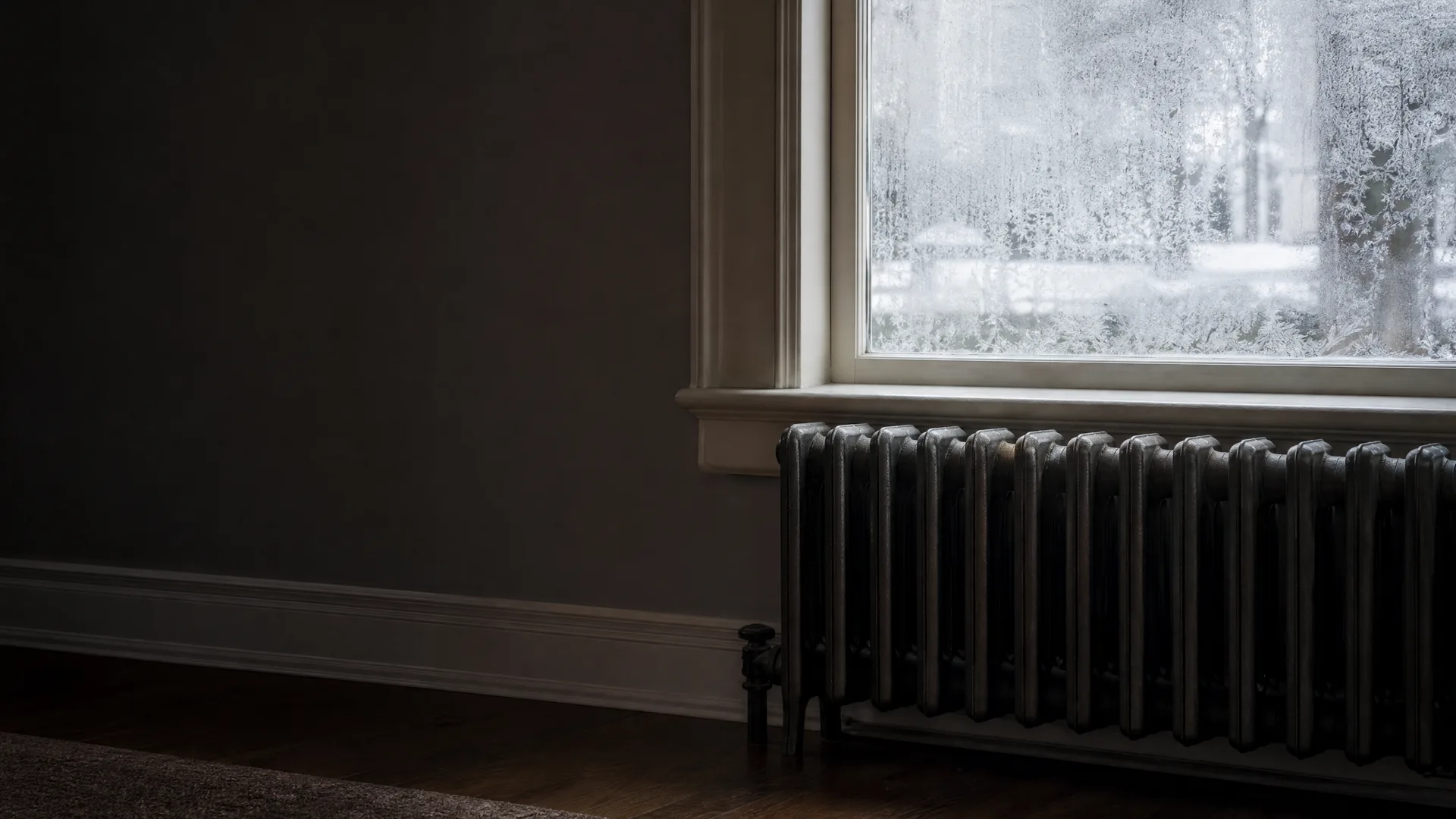
A cast iron column radiator with a valve stands beneath a window with a frosted pane showing snowy trees outside, in a dim room with dark walls and wood flooring.

You're up before the sun, same as every January morning, and the living room is cold enough that you can see your breath for a second before the radiator catches up. There's ice feathered across the inside of the window glass above it. You hear it before you're all the way down the stairs, that gurgle working through the pipe behind the wall, then the radiator itself starts up with a knock under the sill. You stand there with your hand on the cast iron, waiting to feel heat come through, listening to see if the sound settles down or keeps going. It keeps going.

Hand off the search today

Only one pro gets your request, so you hear from one company.

You only hire the pro if you want to.

Why trapped air matters here

A hot water boiler is a closed loop, and that loop only works right when it's full of water and nothing else. Air gets in when you fill or bleed the system, after a repair, or through a pinhole leak that lets a little in while it lets a little water out. Once air is in there, it rises to the highest points and the first bends it can find, which is usually a radiator or a baseboard run on the top floor. Water forces its way past the pocket of air and that's the gurgle. It's not dangerous by itself, but it means part of your system is running on air instead of water, and that part isn't heating.

What a dropping pressure tells you

Most residential boilers run between 12 and 15 psi on the gauge. If yours is holding steady there and you're still hearing gurgling, air is the likely cause and bleeding will probably clear it. If the pressure keeps dropping over days or weeks, water is leaving the system somewhere, through a valve, a fitting, or the expansion tank, and that's feeding the air pocket faster than one bleed can fix. Vermont's oil-fired systems run hard from October through April, and a slow leak that's easy to miss in June shows up fast once the boiler is cycling every day.

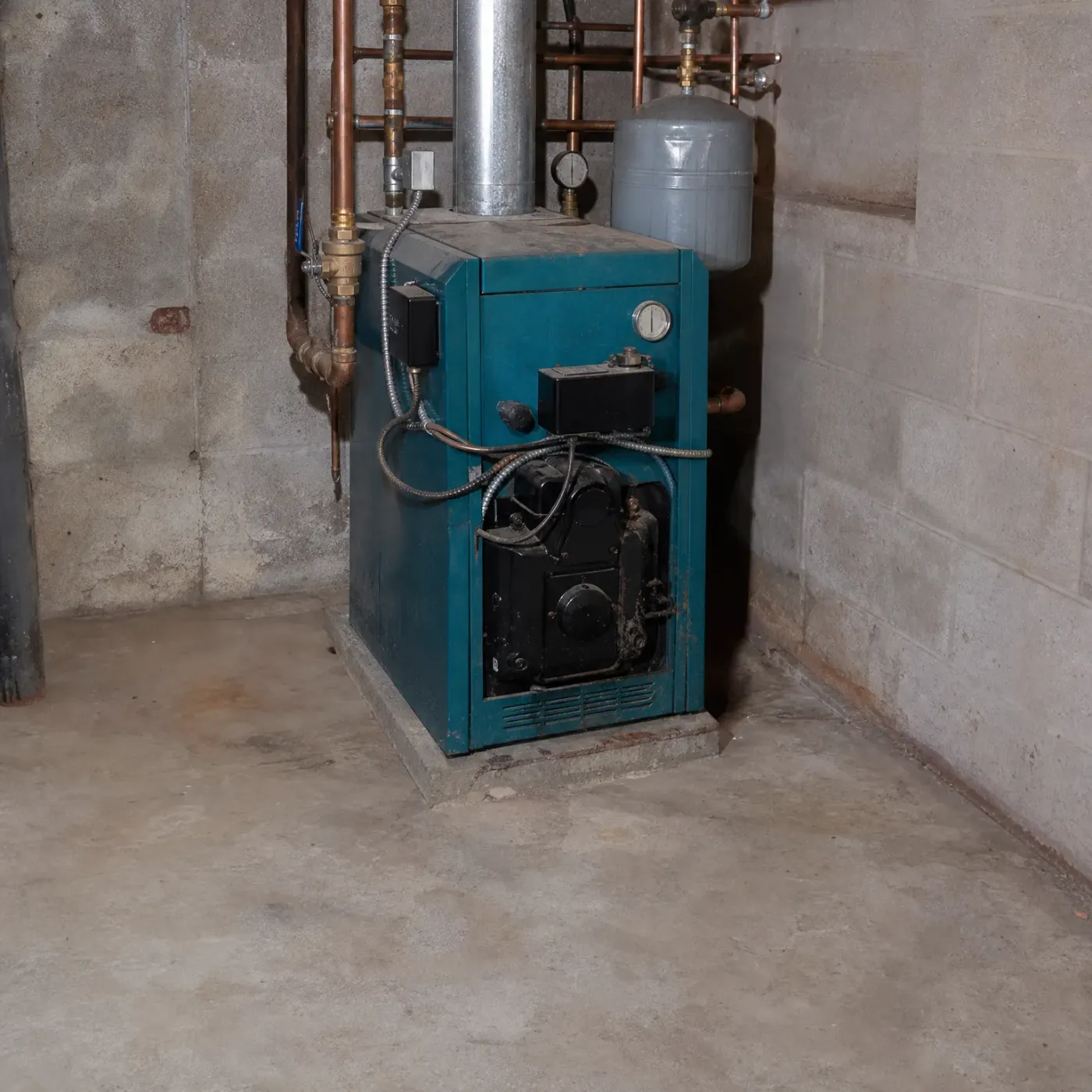
A teal boiler with a pressure gauge and black burner unit sits on a concrete pad in a basement corner, with copper pipes, a flue vent, and a gray expansion tank above against concrete block walls.
Before you get your boiler repair
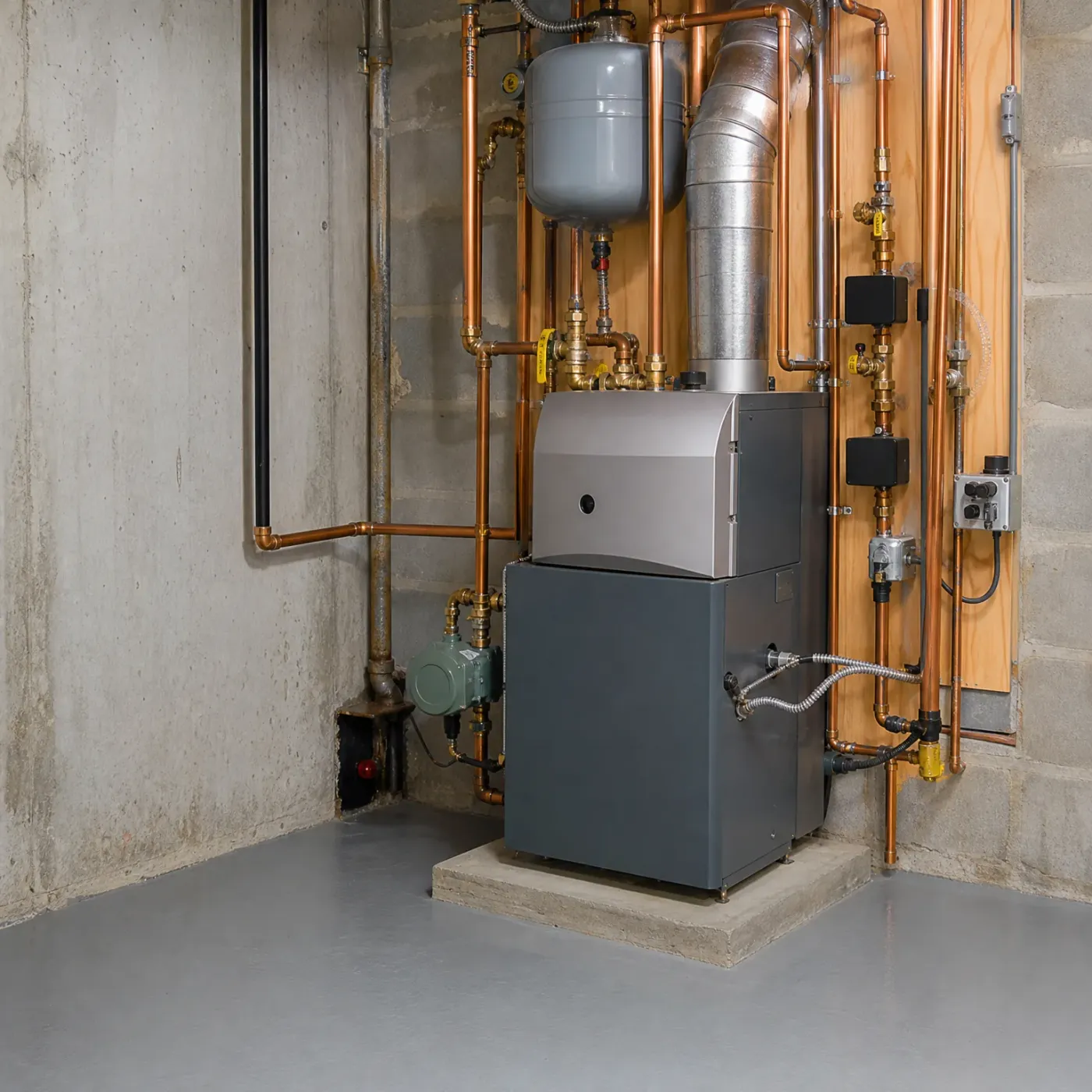
A gray residential boiler on a concrete pad in a basement corner, connected to copper piping, an expansion tank, circulator pumps and insulated flue ducting against concrete and plywood walls.
After you get your boiler repair

A hot water system doesn't need the circulator pump as much as people think. Cold water is denser, so it sinks, and hot water rises on its own. That's part of what moves heat through your radiators, and it's also why a weak pump doesn't always mean a cold house, just a noisier one. The expansion tank is built with air inside it already, half the tank, so the water has somewhere to push when the burner heats it up. That's normal. What isn't normal is air getting into the loop itself, through a pinhole leak too small to leave a puddle, or through a fill or bleed that didn't seal right. That air travels up and settles wherever the pipe runs highest, usually a top floor radiator or the line closest to the boiler. That's where you hear it. Sediment sitting at the bottom of the tank causes a different kind of knock, steam pockets forming and collapsing against metal, but it sounds close enough to air that most people call it the same thing. A boiler cycling on and off too often stirs all of it up faster than it would settle on its own.

How the noise actually starts

  • Cold water enters the boiler denser than hot water, so it sinks while heated water rises, and that natural pull is what actually moves water through a hot water system when the circulator pump is weak or failing.
  • The expansion tank is half filled with air on purpose, because water expands as it heats and that air cushion keeps pressure from spiking every time the burner fires.
  • A pinhole leak in a pipe or fitting lets in a slow trickle of air even when no water is visibly escaping, and that air collects at the highest points in the loop.
  • Gurgling usually comes from the high points first, often a radiator on the top floor or the pipe closest to the boiler, because that's where trapped air settles.
  • Sediment at the bottom of the boiler can trap steam pockets that collapse and knock against the tank, which sounds different from air moving through a radiator but gets blamed on the same noise.
  • A boiler that short cycles, turning on and off more than it should, pushes air and water through the pipes unevenly and can create a gurgle that wasn't there a month ago.
A smiling man in a navy long-sleeve shirt sits at a wooden table in a kitchen and dining area, with a ceramic mug, a potted plant, and a sliding glass door behind him.
A smiling bearded man in a green henley shirt stands at a kitchen island with a gray mug, looking off to the side, with a dining area and shelves blurred behind him.
A smiling bearded man in a navy sweater sits at a white kitchen island with a ceramic mug, with open shelves, potted plants and a range hood behind him.
A smiling man in a dark olive long-sleeve shirt sits in a kitchen beside a counter with a dark mug, with a dining table, sideboard and hallway visible in the blurred background.
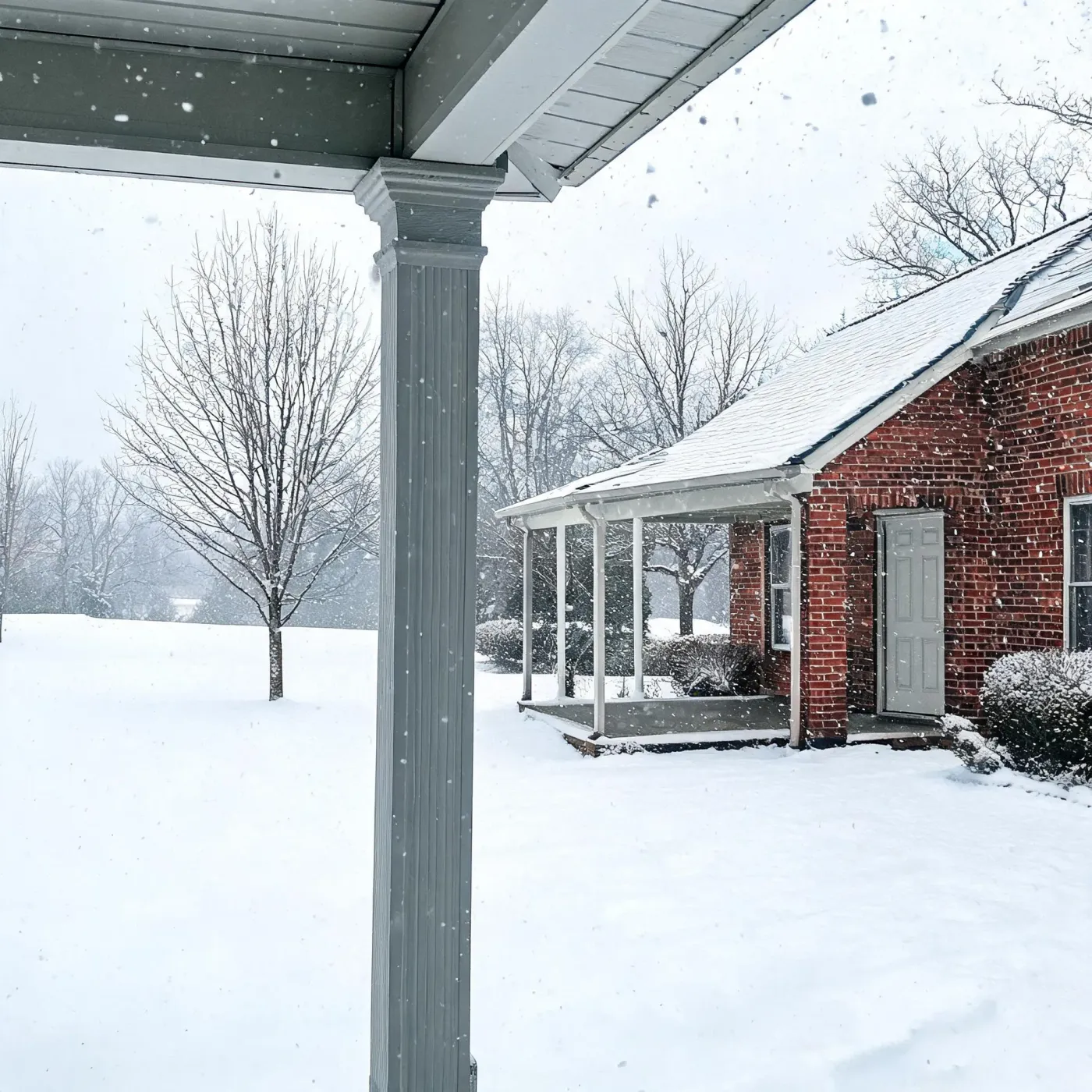
View from under a covered porch with a gray square column toward a red brick house with a white-columned porch and gray door, with falling snow covering the yard, roof, and bare trees.

Statewide, winter nights average 12°F. At that temperature your boiler isn't cycling on and off anymore, it's running long stretches just to hold the house steady. A long steady run is exactly when trapped air in the system gets pushed around the loop hardest, so the gurgling you hear tends to get louder and more frequent on the coldest nights, not the mild ones. If you've noticed the noise tracks with how cold it's gotten outside, that's not in your head. The boiler is working harder, the water's moving faster through the pipes, and any air pocket in there is going to make itself heard. Source: NOAA.

NOAA nClimDiv 1991-2020 county normals weighted by homes

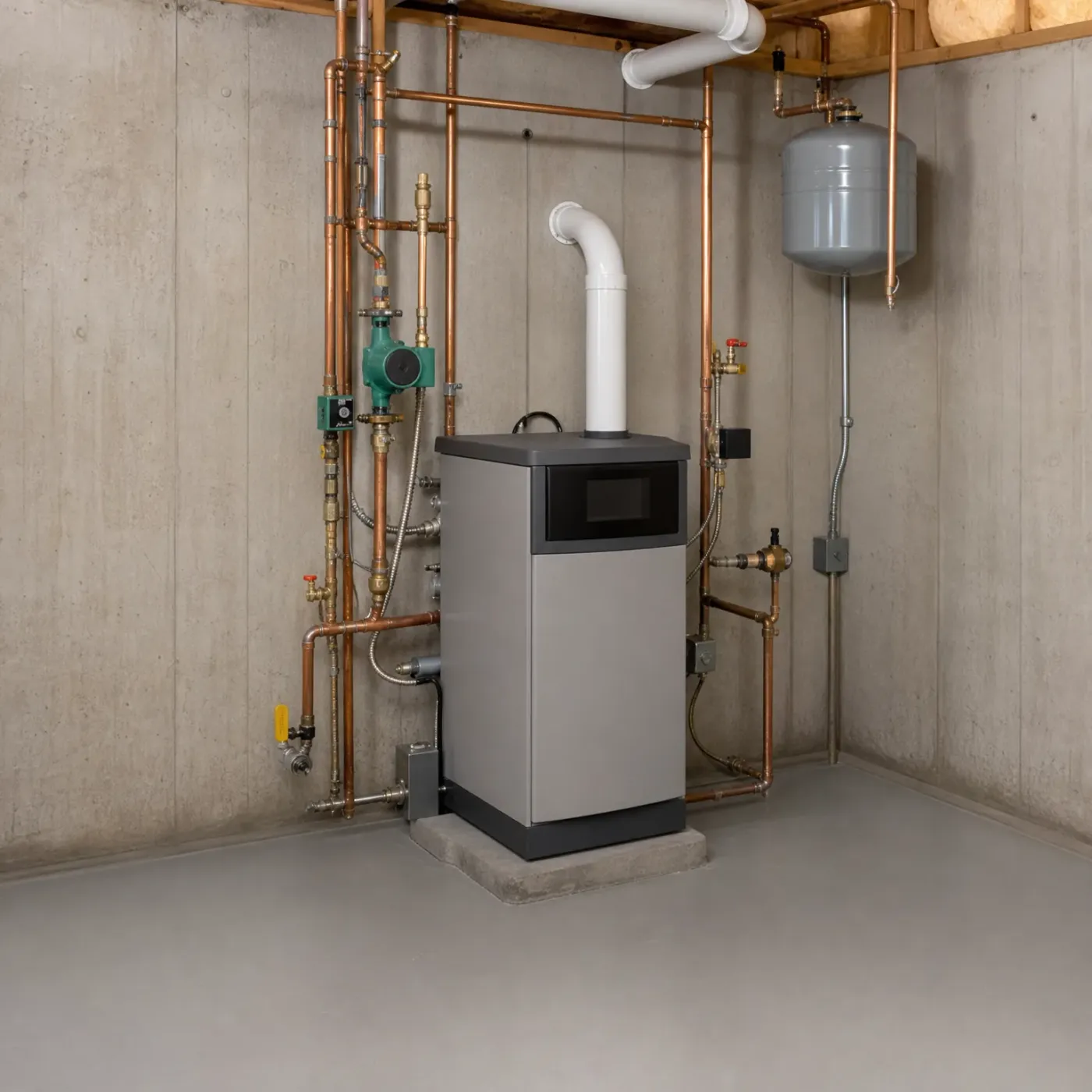
A gray floor-standing boiler on a concrete pad in a basement corner, with copper piping, a circulator pump, a white PVC flue, and a gray expansion tank mounted on the wall.
Water circulates through a full, sealed loop, so heat moves through the copper pipes and into the radiators without a sound from the pump or the lines.
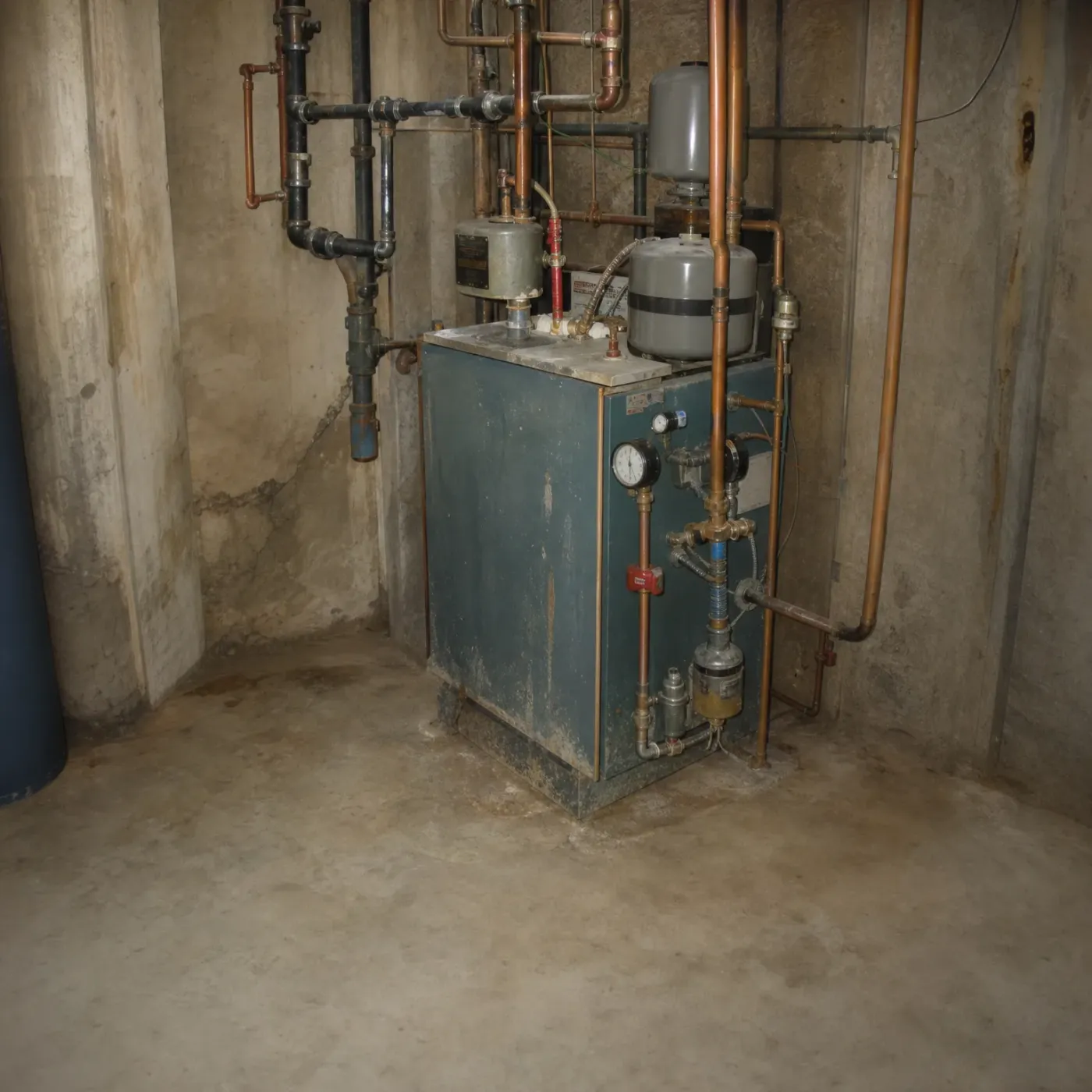
A green metal boiler with pressure gauge stands in a concrete basement corner, surrounded by copper and black iron pipes and two tank-shaped vessels.
A cast-iron boiler running low on water or full of trapped air forces steam and air through the pipes together, and that's the gurgle you hear.
  1. Air gets into the loop through a fill, bleed, or pinhole leak.

  2. Trapped air rises and collects at high points in the pipes.

  3. The circulator pump pushes water past that trapped pocket.

  4. Water squeezes through the gap and slaps against the pipe walls.

A man in a blue T-shirt sits on a light gray sofa, laughing while looking at an open laptop in the foreground, with a framed picture, lamp and potted plant behind him.
A bearded man in a blue and brown plaid flannel shirt stands indoors looking out a window at snow-covered trees, with a ceramic mug on the windowsill.

Winter nights average 12°F statewide

At 12°F your boiler is running long stretches just to keep the house at temperature, not short bursts. Those long runs push trapped air through the loop harder than a mild night would, which is when gurgling tends to turn into knocking.

NOAA nClimDiv 1991-2020 county normals weighted by homes

A gurgling boiler is air in the loop, and air in the loop means the water isn't moving the way it should. Bleeding a radiator fixes it sometimes. Other times it keeps coming back because something upstream, a failing circulator pump or a pinhole leak letting air in, keeps feeding the problem. You don't need to guess which one you've got. A contractor who works on oil boilers in Vermont all winter has heard this exact gurgle before and knows what it usually turns out to be once they're standing in front of it. You'll be matched with one licensed contractor near you, not a handful of companies competing for your callback, so there's no juggling quotes or explaining the problem five times over. Send the form and the search for who to call is off your plate. The noise gets looked at, the cause gets named, and your radiators go back to running quiet.

A dark wood cabinet with a paneled door and a ceramic pot of green foliage on top stands in a beige-walled room with white baseboard, a window at left, hardwood floor, and a patterned area rug.
A dark wood glass-front cabinet holding folded towels, woven baskets and a ceramic vase stands in a bathroom corner beside a window, with a potted fern and stacked towels on top and a freestanding tub partly visible at left.
A woven basket holding a green cushion and a cream fringed knit throw sits on a wood floor in a room corner beside a window and a dark wooden cabinet.
Corner of a room with a dark wood cabinet topped by a round vase, a linen curtain at a window, white baseboard, oak plank flooring with sunlight patches, and a woven jute rug in the foreground.
A dark wood sideboard against a pale wall holds a shallow stone bowl and a round ceramic vase with leafy branches, with sunlight from a curtained window falling across the wall, wood floor and woven rug.

Hand off the boiler problem

Your request stays with one local pro.

Get one local pro

Asking costs nothing, and the choice to hire stays yours.