One burner, two states
The burner that heats your house also likely heats your hot water. A dirty nozzle or clogged filter can show up as a smell in both, not just near the boiler itself.
 Find a pro near me
Say what's going on with your boiler, and a pro who works on them reaches out.
A faint oil smell near your boiler usually means something small. A puff of smoke at startup, a bit of soot on the burner, a leak where a fitting has loosened over the years. In Vermont, where most homes run on oil heat, that smell matters more than it might somewhere else. Your boiler isn't a backup system here. It's what gets you through a long winter, and it runs hard enough months at a time that small problems don't stay small.
A smell that shows up right when the burner fires and fades after a minute can point to the nozzle or the ignition. A smell that lingers, or shows up even when the boiler isn't running, points somewhere else, maybe a fitting, a valve, or the tank itself. Either way, it's worth having someone look at it rather than waiting to see if it goes away on its own.
With electricity costing what it does in Vermont, oil heat usually works out cheaper to run, but only when the boiler is burning cleanly. A unit that's off on its combustion, or leaking fuel instead of burning it, is wasting oil you already paid for.
This is the kind of problem a local contractor sees every heating season, someone who works on oil boilers regularly and has a sense of what tends to go wrong on these systems after a Vermont winter or two. When you put in a request here, you're matched with one contractor suited to your situation, not a handful of companies competing for your callback. That contractor will reach out directly, already knowing roughly what you're dealing with and what equipment you have.
From there, it's a conversation about your boiler specifically, what the smell is doing, when it happens, and what needs a closer look.
A boiler that smells like oil is usually telling you the burner isn't burning clean. Oil needs the right mix of fuel and air to burn off completely, and when the nozzle is worn, the filter is clogged, or the draft is off, some of it doesn't combust. What's left behind is that raw oil smell, sometimes with soot riding along with it. A loose fitting or a small leak in the line can do the same thing even with a burner that's running fine. In Vermont, where oil is how most homes stay warm through the winter, a boiler that's not burning cleanly is also a boiler burning more oil than it needs to. The smell is worth paying attention to before the weather turns cold and the boiler is running for hours at a stretch. A technician who works on oil boilers can tell you in a few minutes whether it's the burner, the line, or something else.




The burner that heats your house also likely heats your hot water. A dirty nozzle or clogged filter can show up as a smell in both, not just near the boiler itself.
Most houses in the state are set up for it, so a tech working here sees worn nozzles, clogged filters, and bad draft on boilers all winter long, not once in a while.
You'll notice it most when the burner kicks on: a faint oily smell near the boiler, maybe a bit stronger in the room right above it or wherever the flue runs. Some houses get a trace of soot on the floor near the unit, or on the jacket itself. If the smell shows up every time the burner fires, that's the nozzle or the filter, not a one-time thing. Left alone, incomplete combustion puts soot inside the heat exchanger, and that buildup makes the boiler work harder to heat the same water. Through a Vermont winter, that's a boiler running longer than it should, on a fuel that already costs real money to burn.
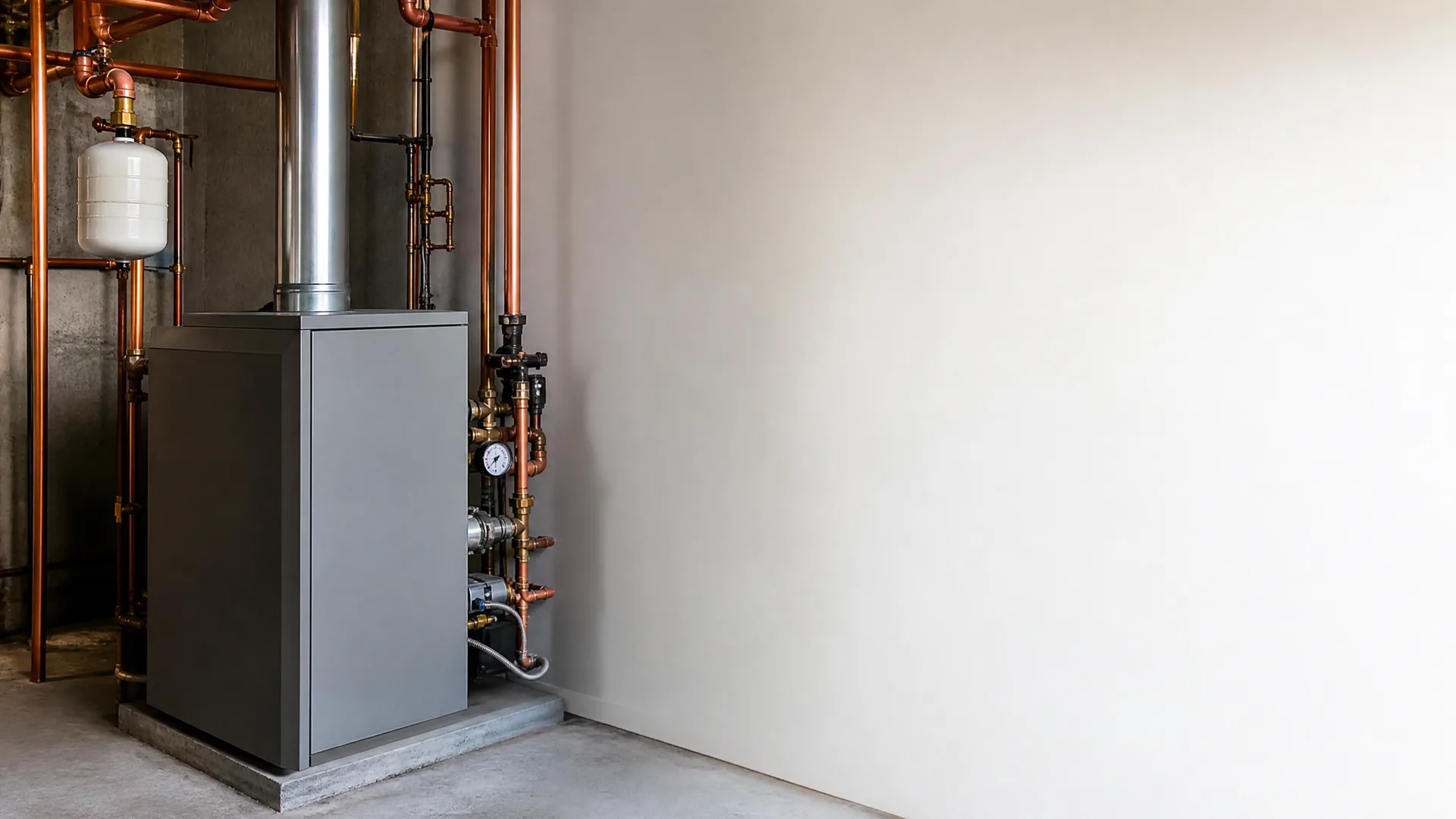
If the smell only shows up when the burner first fires and then fades, you're likely smelling a normal puff of unburned oil clearing out before combustion settles. It happens at startup on plenty of systems. It's worth a look at your next service, but it's not the kind of thing that should have you shutting the boiler down. Mention it so the technician can check the nozzle and ignition timing while everything else is open.
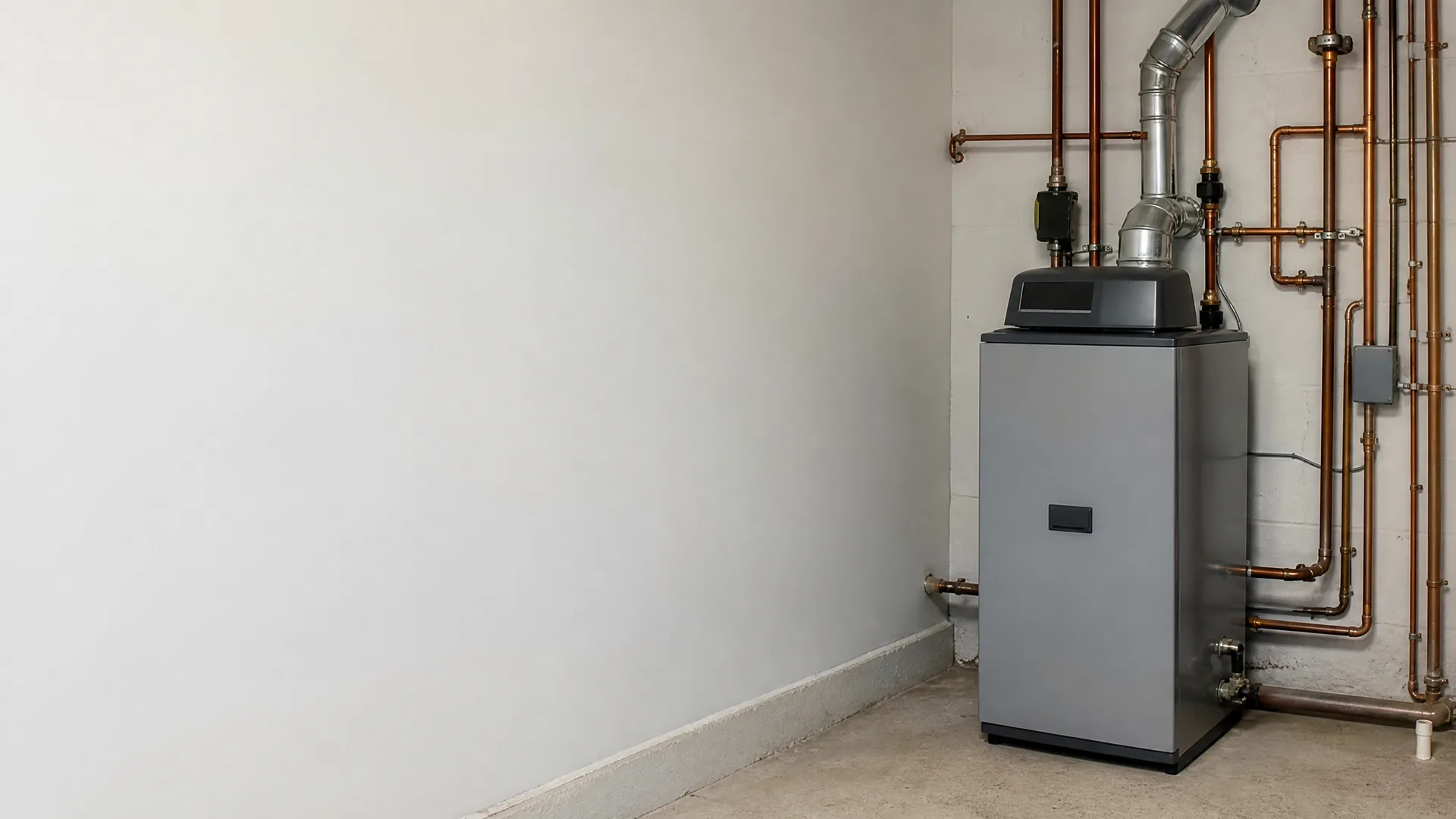
If the smell lingers the whole time the burner runs, or you notice it getting stronger over a few days, something in the burner assembly needs attention now, not at the next routine visit. A clogged filter, a failing nozzle, or a draft problem won't fix itself, and running it that way wastes oil you're already paying a premium for in Vermont. Have someone look at it before the next hard freeze, when you'll need the boiler running without interruption.
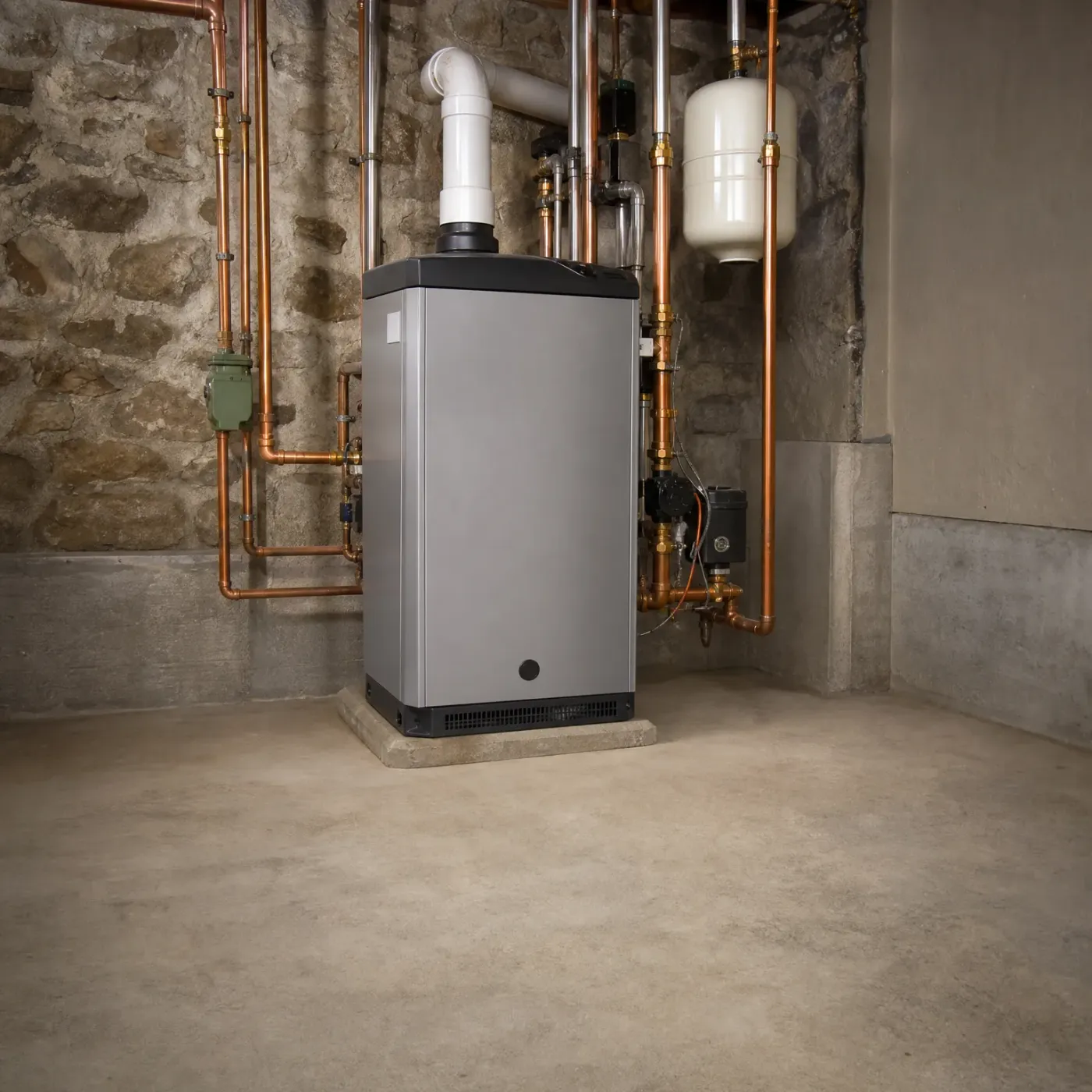
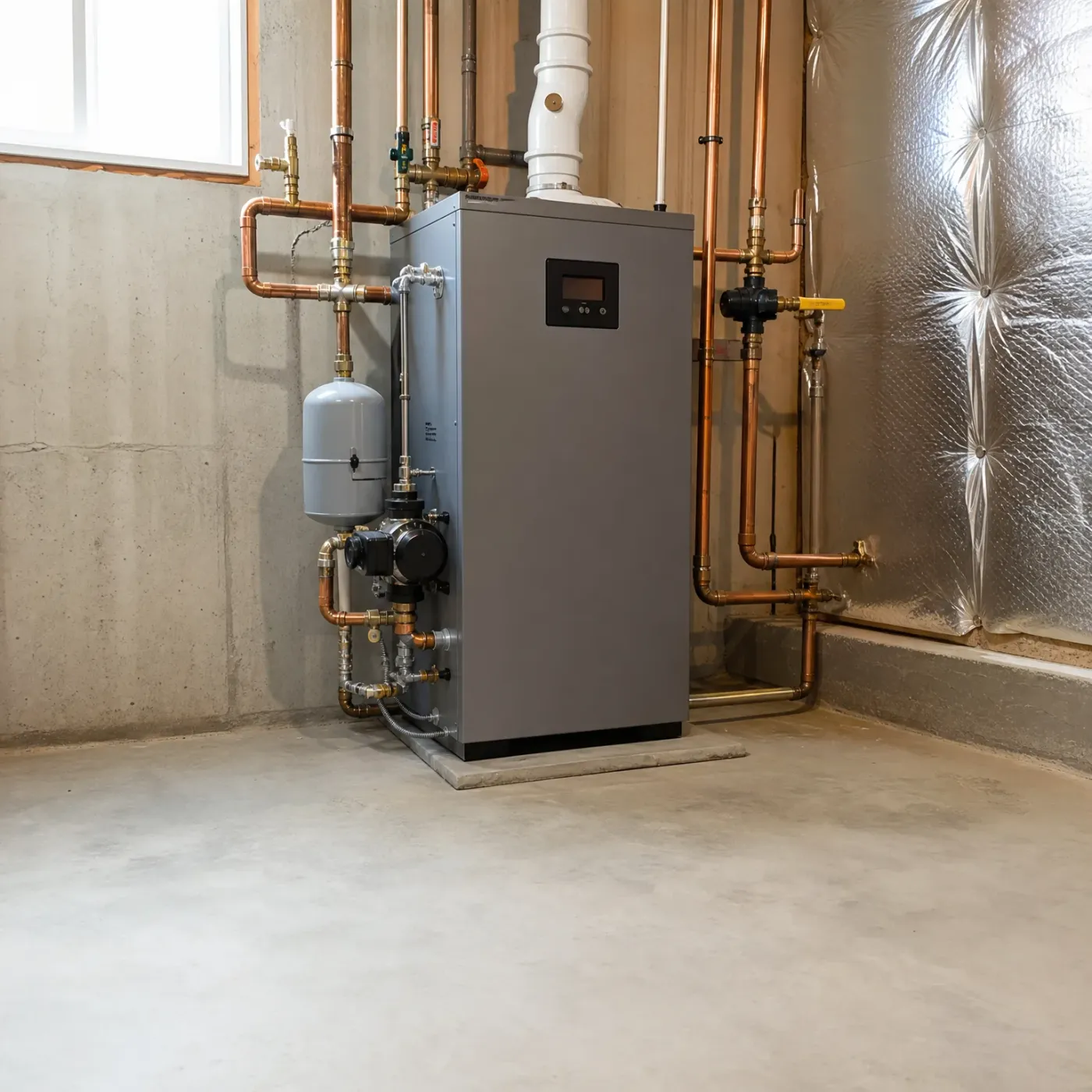
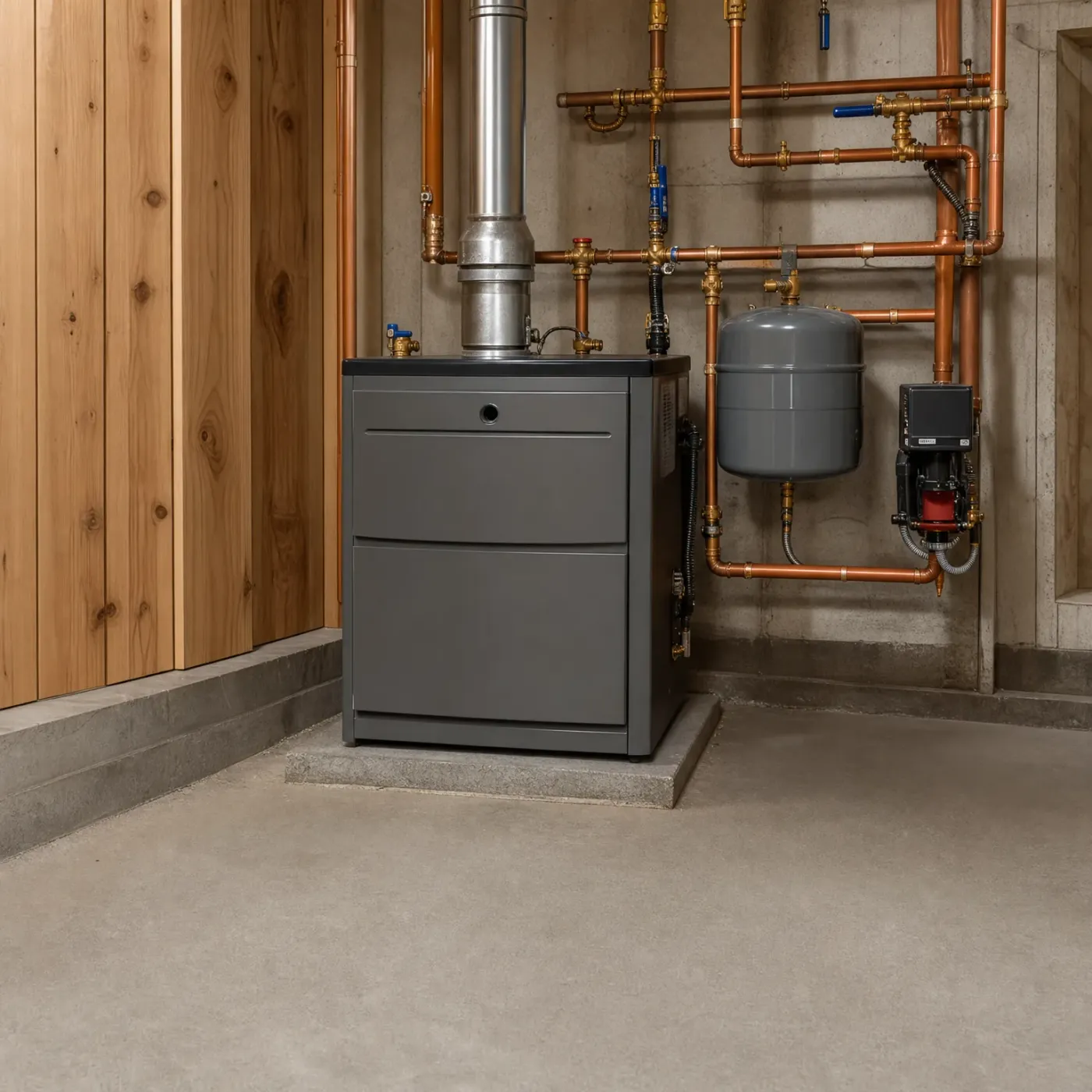
This is what a boiler looks like when the burner's doing its job. No soot on the housing, no staining around the fittings, nothing on the floor underneath. The flue runs clear and the smell near it is faint at most, gone within a minute of startup.
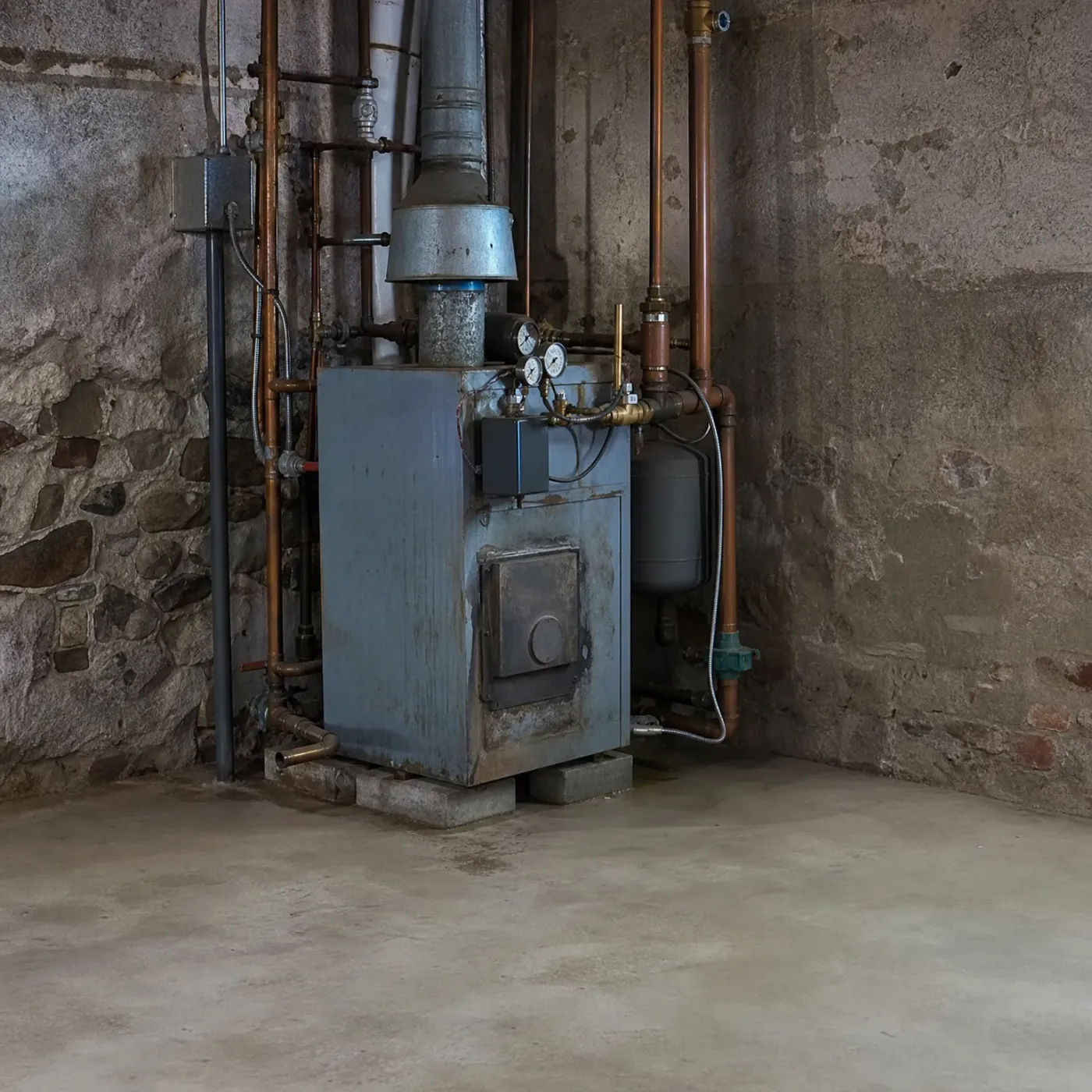
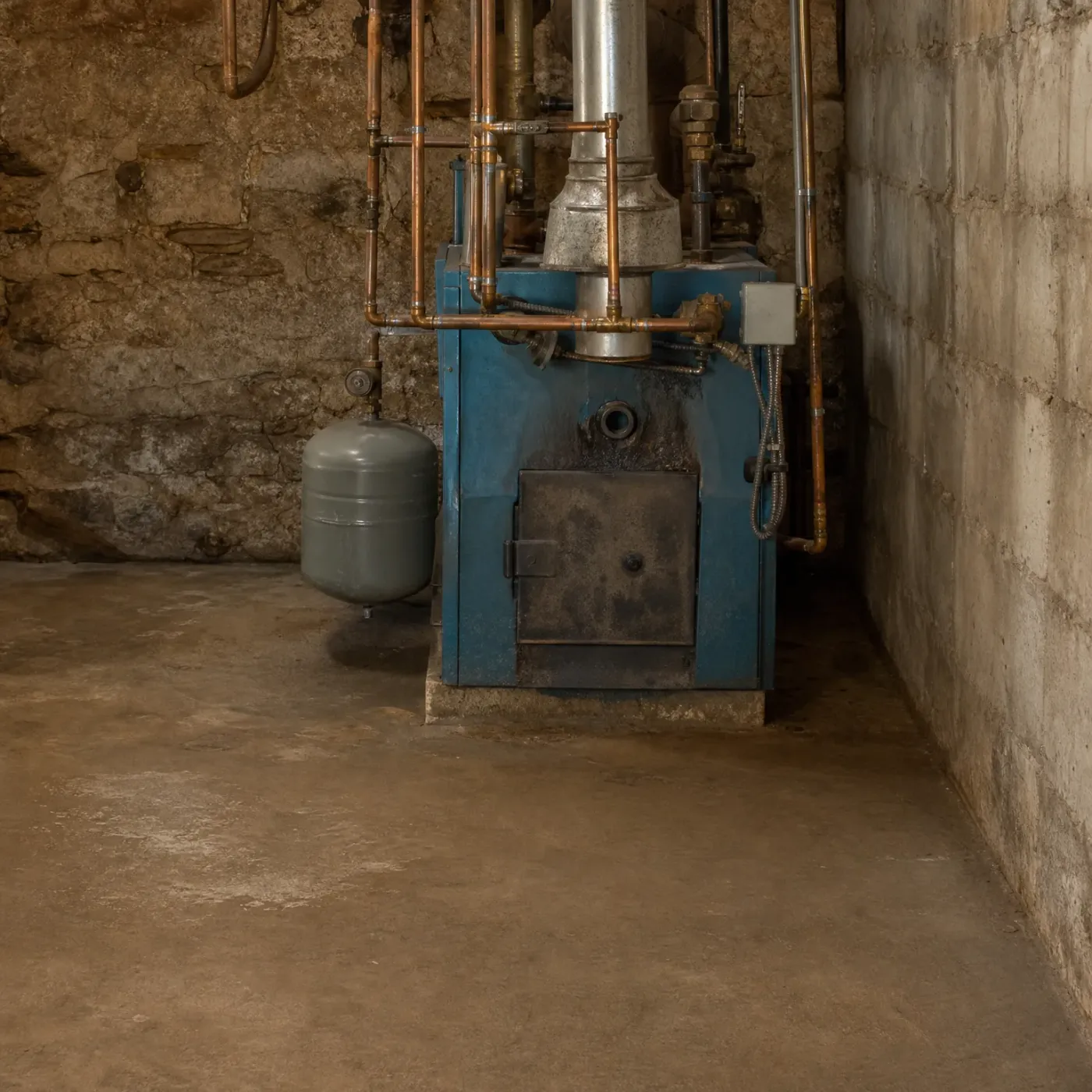
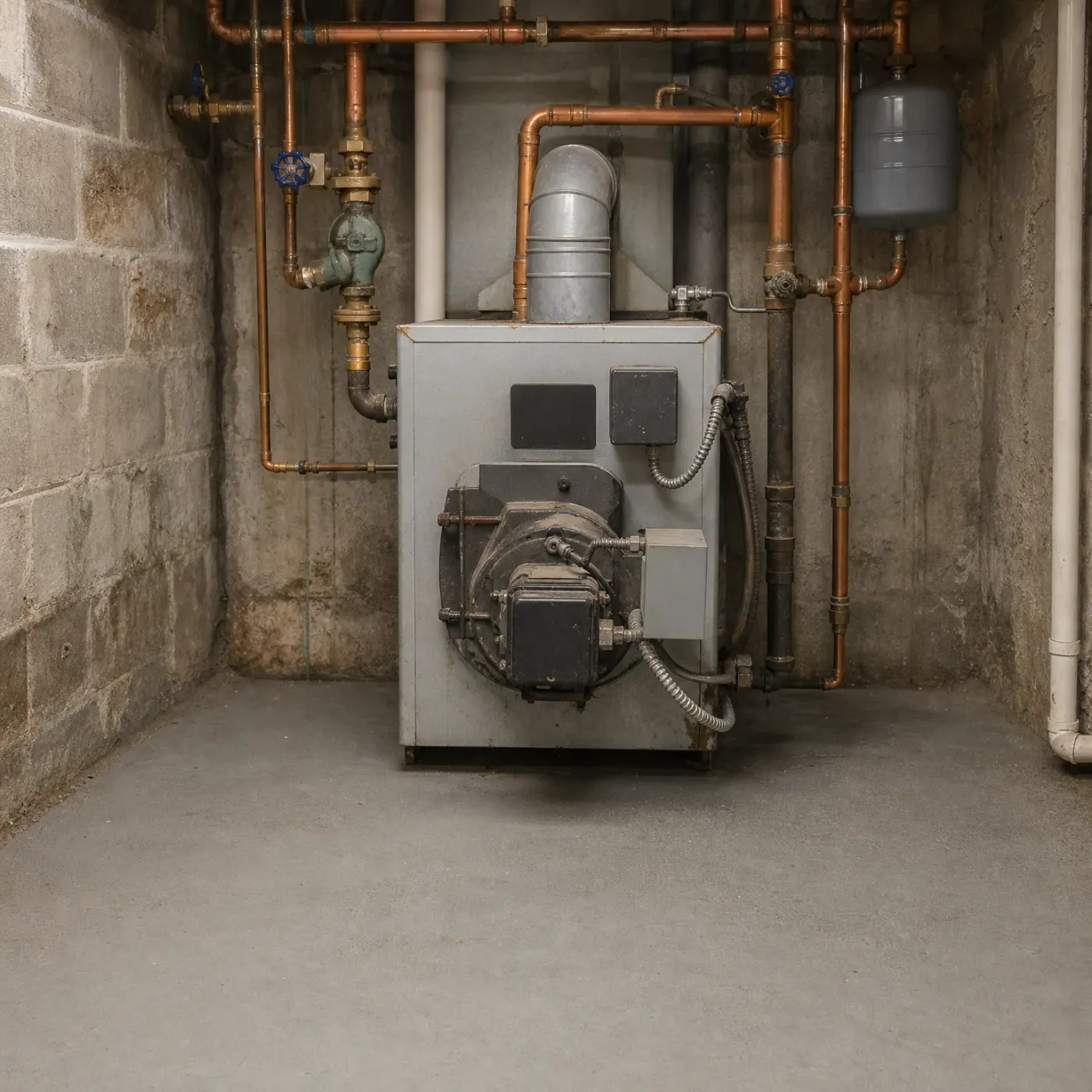
Older cast iron units like this one have had more years for a fitting to loosen or a nozzle to wear down. If the oil smell lingers past startup, or you're seeing soot around the burner or gauges, that's the unit telling you combustion isn't finishing the way it should.


Your request goes to one pro, not a list of companies.
You're not committing to anything by asking.
Oil sprays from the nozzle into the combustion chamber as a fine mist.
The electrodes spark and ignite that mist against incoming air.
A clogged nozzle or dirty filter breaks the spray pattern unevenly.
Uneven spray leaves pockets of oil that never fully combust.
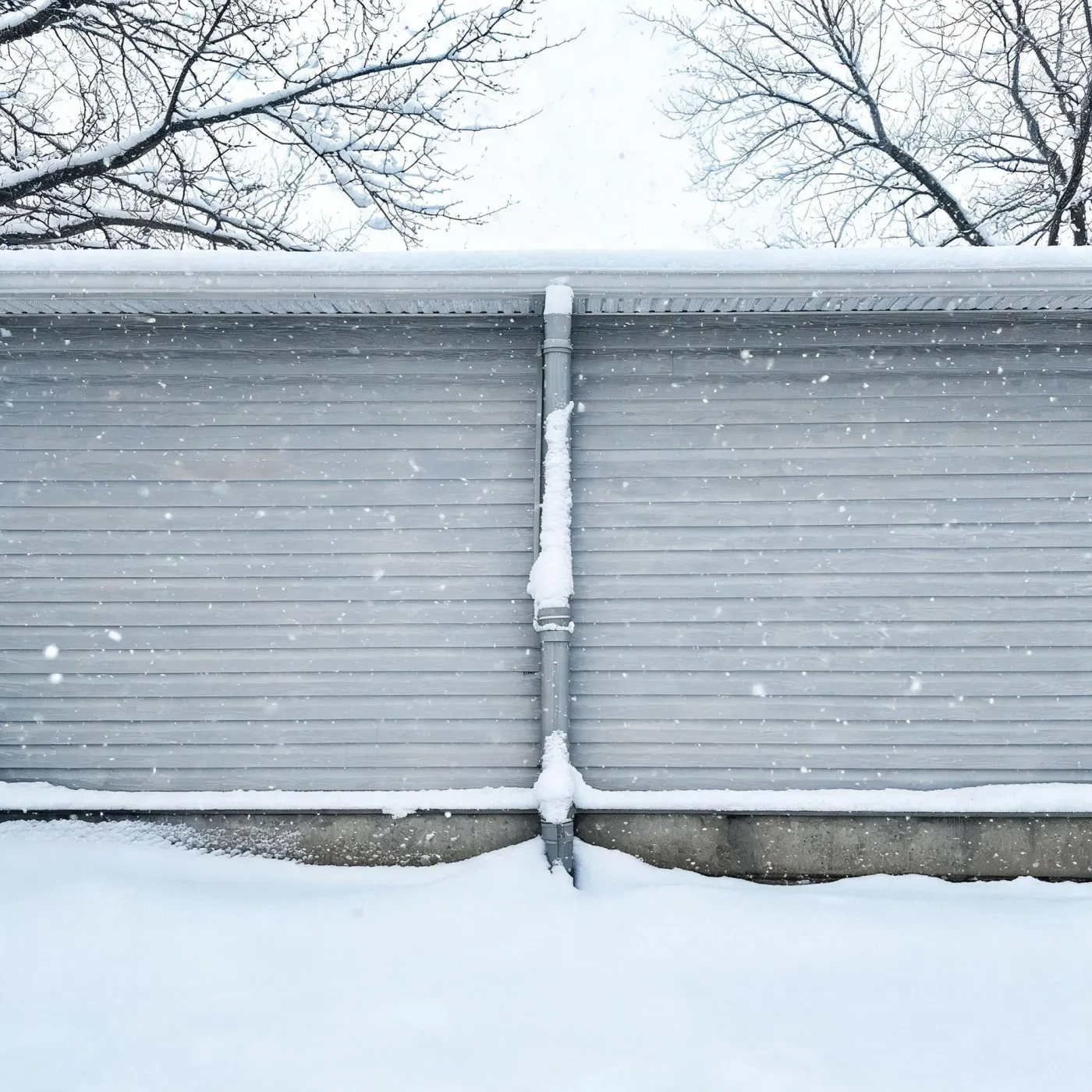
Winter nights here average 12°F statewide, according to NOAA climate data, and a cold burner starts harder than a warm one. Oil thickens slightly in the cold, and a boiler firing up on a frigid night draws harder on the nozzle and filter to atomize it properly. If either one is already worn or dirty, that's when you'll smell it most, usually on the coldest nights rather than the mild ones. A burner that runs clean in October can start puffing oil smell by January simply because it's working harder against the cold. If the smell seems to track with the cold snaps, that's not a coincidence.
NOAA nClimDiv 1991-2020 county normals weighted by homes
You notice it most in the quiet right after the burner cuts out, like the smell got stronger once the flame went out instead of fading with it. That seems backwards, so it sticks with you more than the smell during a normal run.
When the burner shuts off, the oil valve closes, but there's still a trace of fuel left in the nozzle and the combustion chamber. That last bit doesn't get the same clean spray and steady air mix the running burner had, so it smolders instead of burning fully. That's the smell you're catching. It should clear out within a minute or two as the chamber cools and the draft pulls the last of it up the flue. If it lingers well past that, or you're noticing it every single cycle rather than once in a while, the nozzle or the filter is probably due for a look, since a worn nozzle leaves more unburned oil behind each time it shuts down.
At 12 below freezing most winter nights, your boiler is firing hard and often, for months. That workload wears the nozzle and filter faster, and a worn nozzle sprays oil unevenly, which is a common source of that smell.
NOAA nClimDiv 1991-2020 county normals weighted by homes
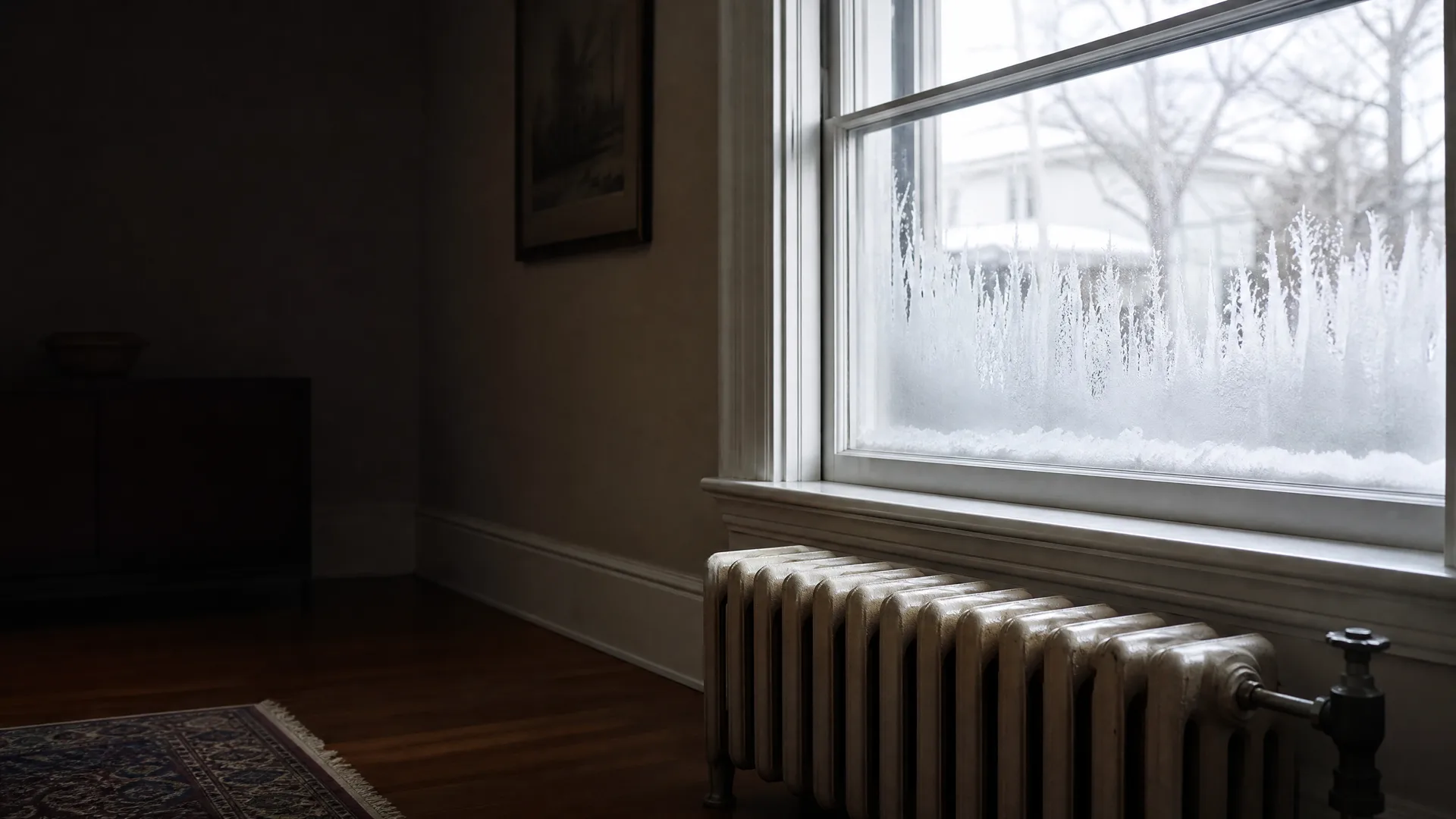
Six in the morning and the house is still dark. You come down to put the coffee on and the living room is cold enough that you can see your breath near the window. The radiator under it ticks as it heats, but the glass behind it has ice on the inside, a thin white fan spreading across the lower corner. You smell it before you're all the way down the stairs, that faint oil smell that seems to sit heavier in the cold air. You stand there a second with your hand on the radiator, waiting to feel it warm all the way through, watching your breath fade against the dark window.

Most of the time the fix is small: a nozzle, a filter, a draft that's off. The smell is the burner's way of saying it isn't burning clean, and that's worth catching before a cold night in January asks more of it than it can give. If the smell only shows up at startup and fades, you've got time to get it looked at. If it lingers, or you're seeing soot, don't wait on it.
Vermont has plenty of oil boilers and plenty of people who work on them every heating season, but what you want is someone who'll actually come out and look at yours. Tell us what's going on and you'll be matched with a licensed contractor local to your part of the state, someone who sees this kind of wear on oil burners every winter and knows what tends to go first. One contractor calls you back, not five, and they'll know what they're looking at before they open the burner door.

The pro who reaches out is licensed in Vermont.