
Most oil boilers get a yearly check
A flue blocked by soot or a downdraft from a nearby vent can push exhaust back into the house even when the burner looks fine.
 Hand it off
Once you send the form, finding a pro is off your list.
A boiler that's making carbon monoxide won't always tell you with a smell or a loud noise. Sometimes it's a streak of soot above the burner, or a pilot light burning yellow instead of blue. Sometimes it's just a headache that goes away when you leave the house and comes back when you're home. In a Vermont winter, with the boiler running for months straight, that's not something to wait on.
Most boilers up here run on oil, and oil boilers depend on a clean burn and a vent that's actually drawing. When either one is off, the carbon monoxide has nowhere to go but back into the house. A contractor who works on these systems all season knows the usual causes: a cracked heat exchanger, a blocked flue, a burner that's fallen out of adjustment. They've seen it before, which means they know where to look first instead of guessing.
Send the request and the search for someone is no longer sitting on your shoulders. You won't get a stack of calls from different companies trying to win the job. One licensed contractor, local to Vermont, gets matched to what you described, and they're the one who follows up. That's one call to take, not five to sort through.
This isn't a repair to put off until the power bills settle down or the weather warms up. Vermont winters run long, and a boiler with a venting problem doesn't fix itself by running less. If anything, the more it runs, the more it's putting into the air in your house.
Fill out the form and let the matching do the work it's meant to do. Someone who knows oil boilers, who knows what a flue should look like after a Vermont winter, and who's local enough to get to your house without a long drive, is the one who'll reach out.
You've heard the boiler running longer or working harder, or maybe you just want to know what to check for before winter gets deep. Carbon monoxide doesn't announce itself, so it helps to know what a problem actually looks like on the equipment itself, not just the headache stories you hear secondhand.
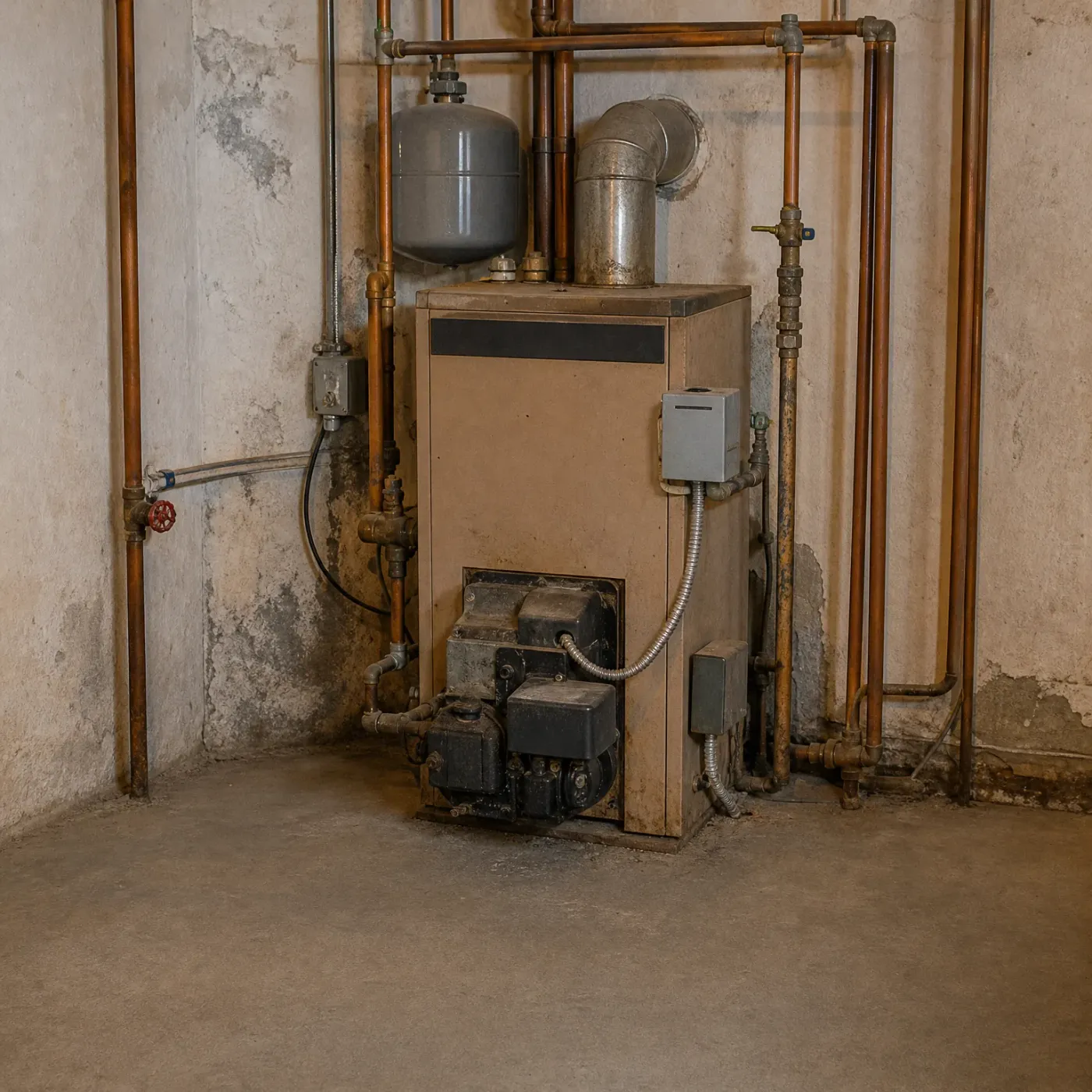
A gas or oil boiler burns clean when it's getting enough air and venting properly. When it isn't, you'll see soot on or above the burner, a flame that burns yellow or orange instead of blue, or moisture collecting around the flue pipe where it shouldn't. Rust on the pipe itself is another sign, since it means flue gas has been condensing there instead of moving outside. With oil heat as common as it is in Vermont, a technician checking the burner and flue during a service call is looking for exactly these things. None of them confirm carbon monoxide on their own, but together they tell you the boiler isn't burning the way it should, and that's reason enough to have it looked at.




Your request goes to one pro, not a list of companies.
Sending the form costs nothing.
A boiler burns oil or gas to make heat, and that burning is supposed to finish cleanly, sending carbon dioxide and water vapor up the flue and out of the house. Carbon monoxide shows up when combustion doesn't finish, usually because the burner isn't getting enough air or the flue isn't pulling the exhaust out fast enough. Vermont winters mean the boiler runs long stretches without a break, and that's when a marginal draft problem turns into a real one. The flame tells you the most. A clean flame burns blue and steady. Yellow, orange, or a flame that dances around means the fuel isn't mixing with air the way it should, and that unburned fuel is where carbon monoxide comes from. Soot is the flame's leftover, and if it's landing on the jacket or around the flue connection, gas is escaping a joint instead of going up the pipe. The vent pipe itself tells you about draft. It should pull hot air up and out, so if it's warm low down near the boiler instead of only near the top, the draft is weak and may be pushing exhaust back into the room on a bad day. Rust streaks mean moisture is condensing inside the pipe instead of venting, which points to the same draft problem. A room that stays damp or smells stale, especially with condensation on the windows, means combustion air isn't making it outside. An alarm that only trips when the boiler fires is about as direct as the evidence gets.


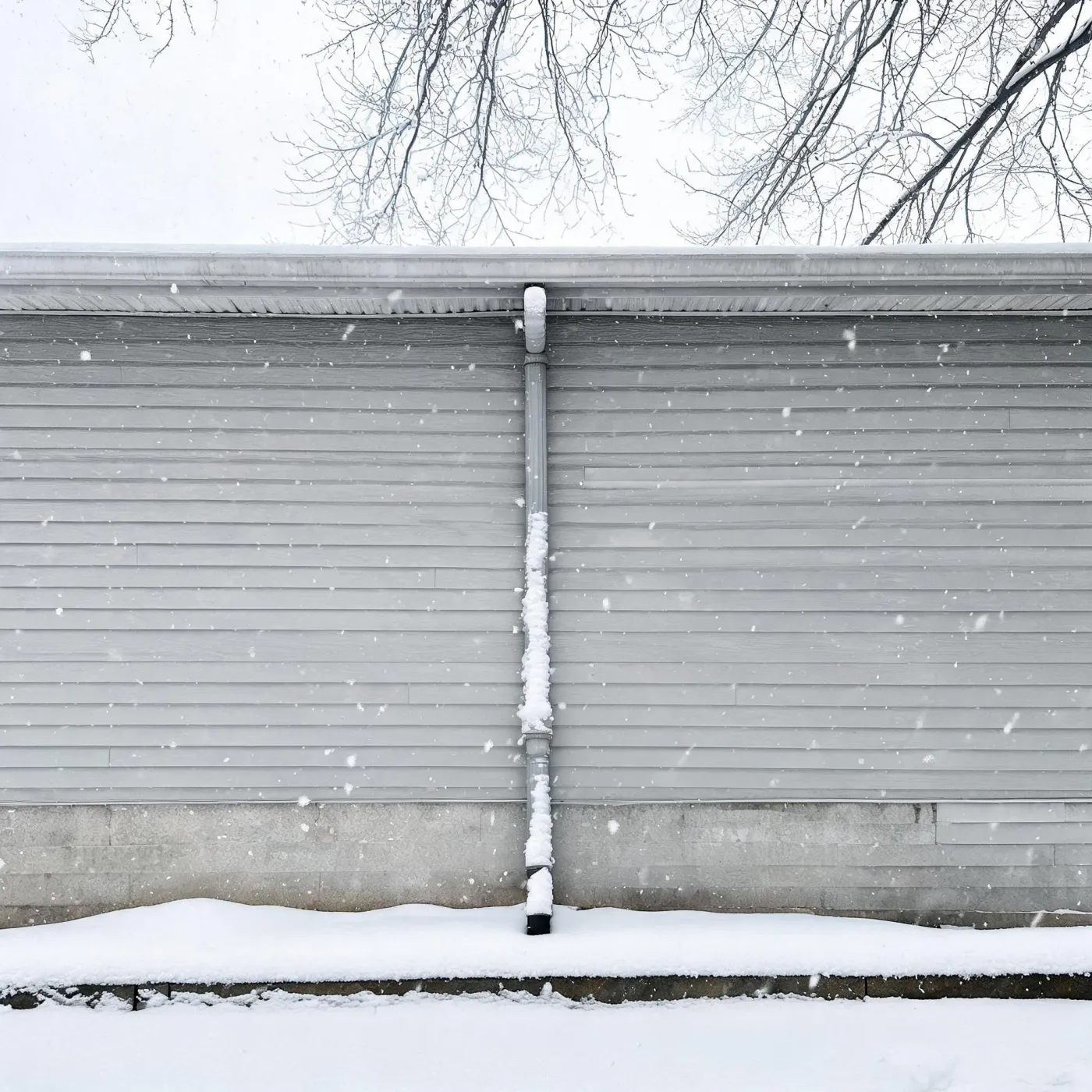
Winter nights here average 12°F statewide, according to NOAA. On the coldest nights your boiler is firing almost nonstop to keep up, and a burner that's running that much is also venting that much more exhaust through the flue. If that flue is partly blocked or the connection has worked loose, this is when it shows up, because the boiler has no break long enough to let a small leak stay small. You might notice the room near the boiler feels harder to breathe in, or the windows near it fog more than usual. Cold snaps are when a marginal flue turns into a real problem, not mild stretches.
NOAA nClimDiv 1991-2020 county normals weighted by homes
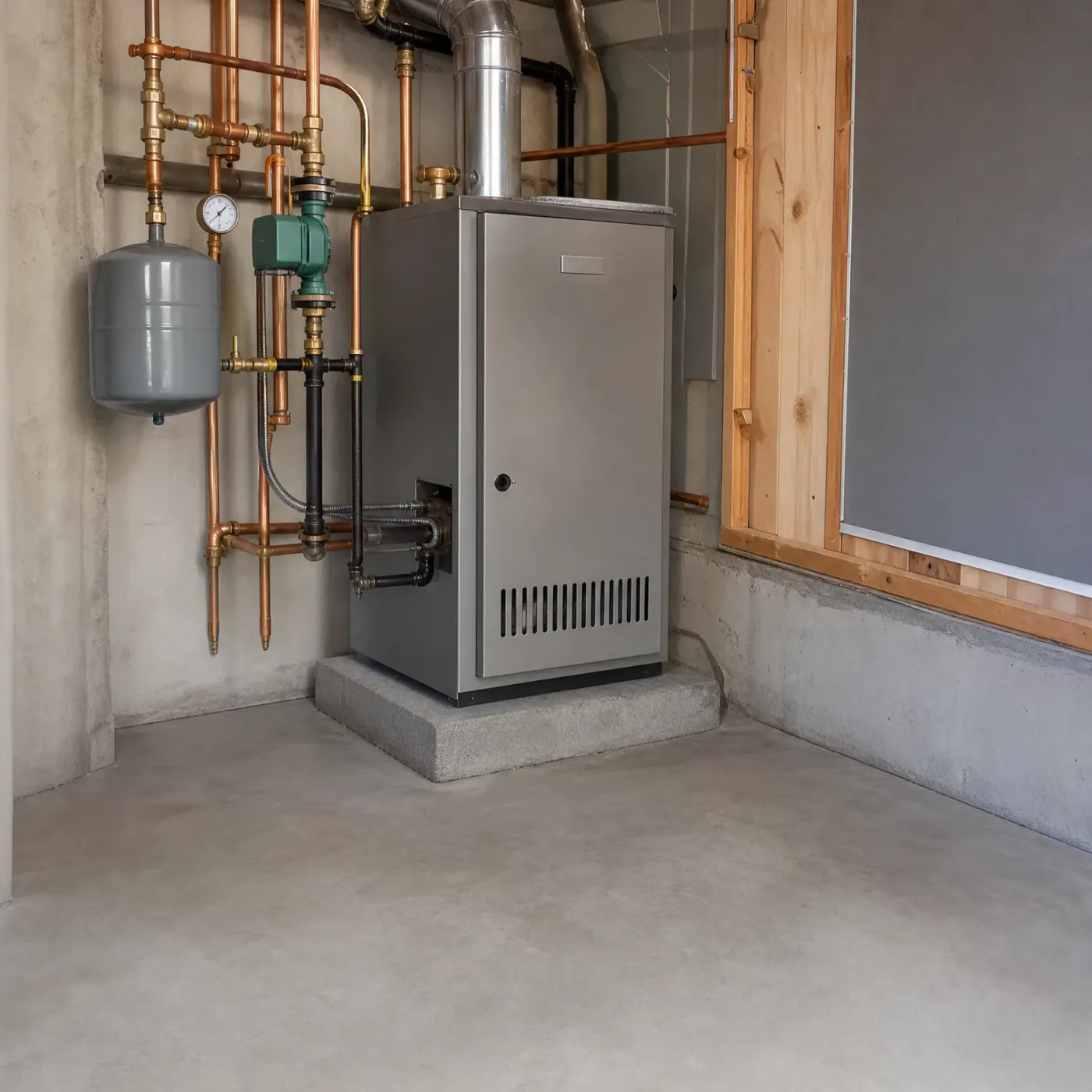
A flue blocked by soot or a downdraft from a nearby vent can push exhaust back into the house even when the burner looks fine.
Soot, rust streaks, or a yellow flame are the warning signs a boiler gives off well before a detector would ever sound.
A boiler showing soot, rust streaks, or a flame that's gone yellow needs a look before the cold sets in hard. That's the answer, and it doesn't change. What changes is who you get to look at it. An oil boiler running through a Vermont winter wants someone who services this equipment all season, not just when something breaks, because the person who sees these burners every week knows which ones are prone to a cracked heat exchanger and which are just overdue for a cleaning. You'll be matched with one licensed contractor local to Vermont, not a list of names to sort through yourself. That's one call to make, from someone who already knows what tends to go wrong in a boiler running hard through a Vermont winter, and one set of hands on the problem instead of several trying to talk over each other.
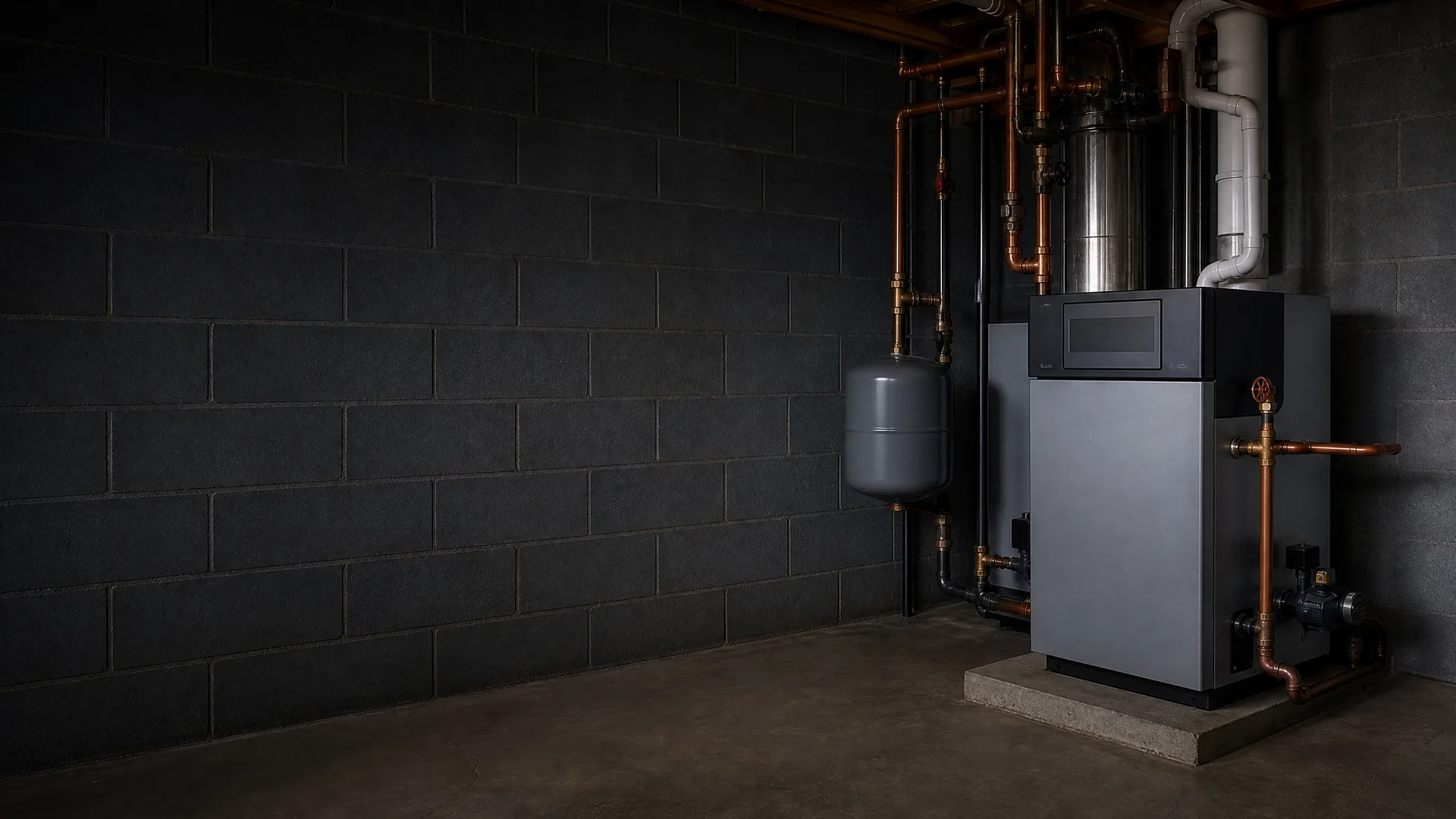
Only one pro gets your request, so you hear from one company.