Furnace Repair in Vermont
Homes in Vermont need heat for more months of the year than in 35 of the other 49 states.
Tell us about the job
Takes about a minute. No obligation.
- 12°Fwinter overnight low where people live
- 9 monthsof heat, September through May
- $16.61 per million Btuwhat homes paid for natural gas in 2024 (Btu means British thermal units, a measure of heat)
- 595winter storms from 2015 to 2024
Nine months of heat wears a furnace down. Nights near 12°F push it harder.
- Winter nights average 12°F where people live
- Heat runs September through May
- 595 winter storms from 2015 to 2024
- Climate zone 6A across the state
- 21% of homes lost power a day or more in 2024

Half of Vermont's homes were built in 1976 or earlier
Oil is what heats a lot of Vermont homes, and it ran $26.53 per million Btu in 2024. That number does not drop just because your furnace is misfiring or short cycling. A furnace that is struggling still burns fuel, it just does less with it.
A cracked heat exchanger, a dirty burner, a bad igniter, these all make the furnace work to get the same heat out. You pay for that extra work every time it runs. Getting it looked at now costs less than paying that difference all winter.
Nine months is a long season for any furnace
Furnaces here run nine months straight, September through May. That's longer than 35 other states ask of a furnace. The cold it's fighting through those months is real too, with overnight lows averaging 12°F across December, January and February, colder than almost anywhere else in the country. A furnace built to handle occasional cold snaps is instead running close to all day, most days, for the better part of the year. That kind of schedule wears down an igniter or a blower motor faster than it would somewhere milder. If yours is struggling, winter here is likely a big part of why. Worth having someone check it properly rather than guessing at the fix.
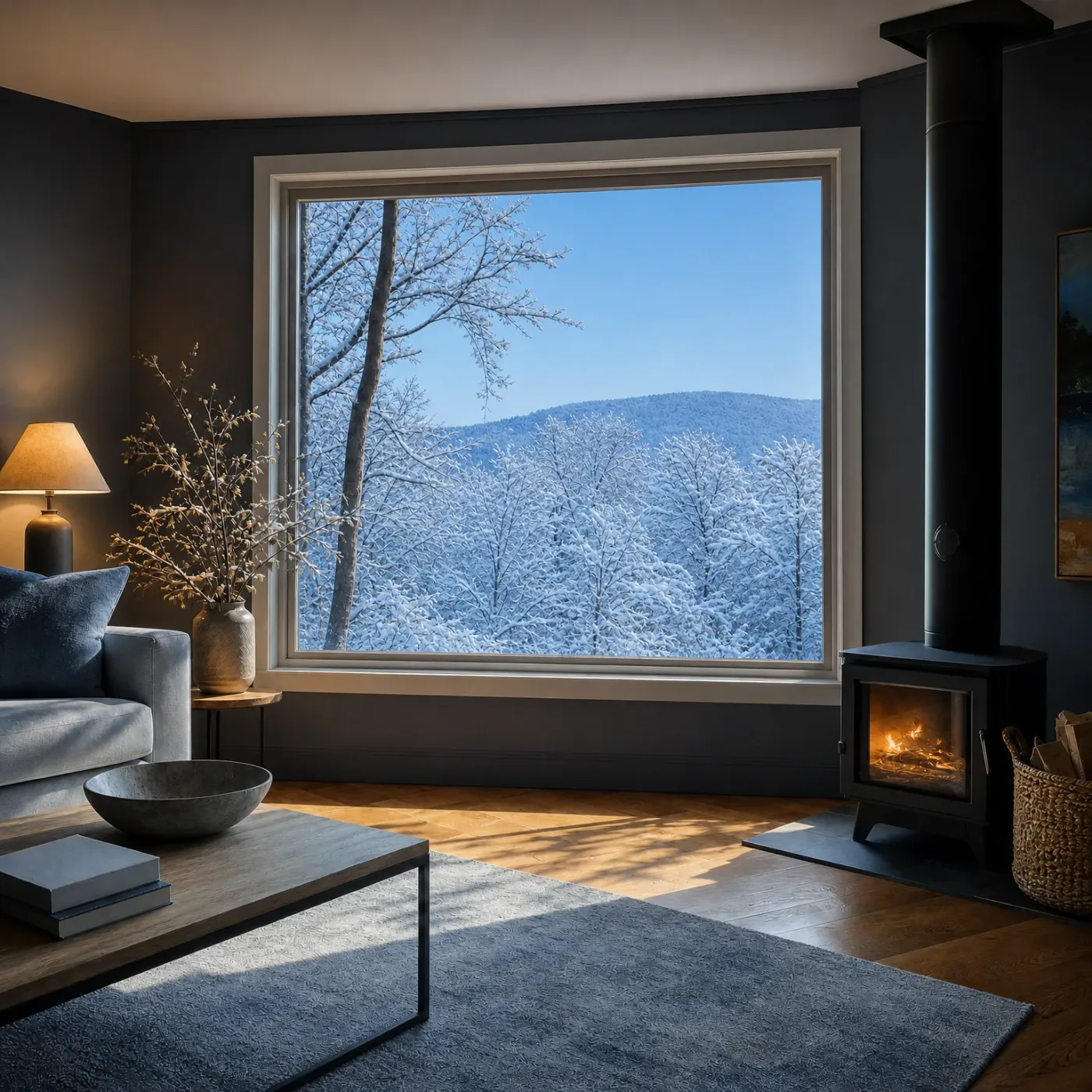
1 month of cooling, in July
9 months of heat, September through May
What does a furnace in Vermont face?
How cold do winter nights get?
12°Faverage overnight low where people live
North Dakota4°F
Hawaii65°F
How many months does the heat run?
9 monthsof heating a year
Hawaii0 months
Alaska12 months
What does natural gas cost?
$16.61per million Btu, what homes paid in 2024
Montana$7.77
Hawaii$53.25
How often do storms hit?
148severe weather events per county from 2015 to 2024
Alaska5
Wyoming1,057
How many homes lost power for a day or more?
21%of homes in 2024
Arizona7%
Maine54%
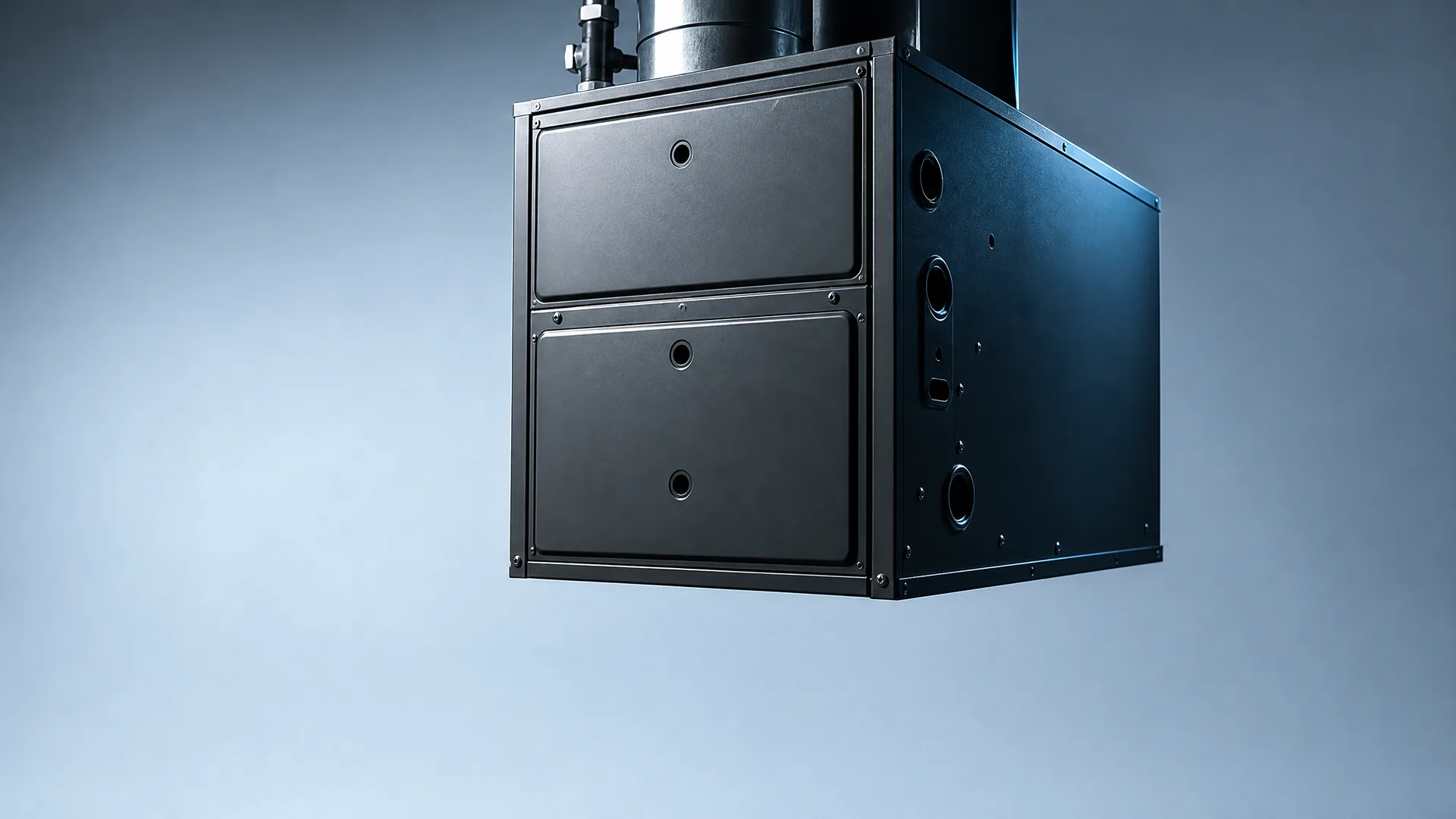
A Vermont winter asks a lot of this machine
Nine months of heat means a furnace in Vermont starts far more burner cycles than one in a milder state ever will. Each start is a small jolt, the igniter heats up, the gas valve opens, the flame has to catch clean. Do that thousands of extra times over a winter and the igniter is what tends to go first, or the flame sensor starts reading dirty when it isn't. At 12°F outside, the furnace also can't just take a break between cycles. It's back on again within minutes. That pace is what turns a minor short cycle or a weak flame into a breakdown by February. Have it checked, not just restarted.
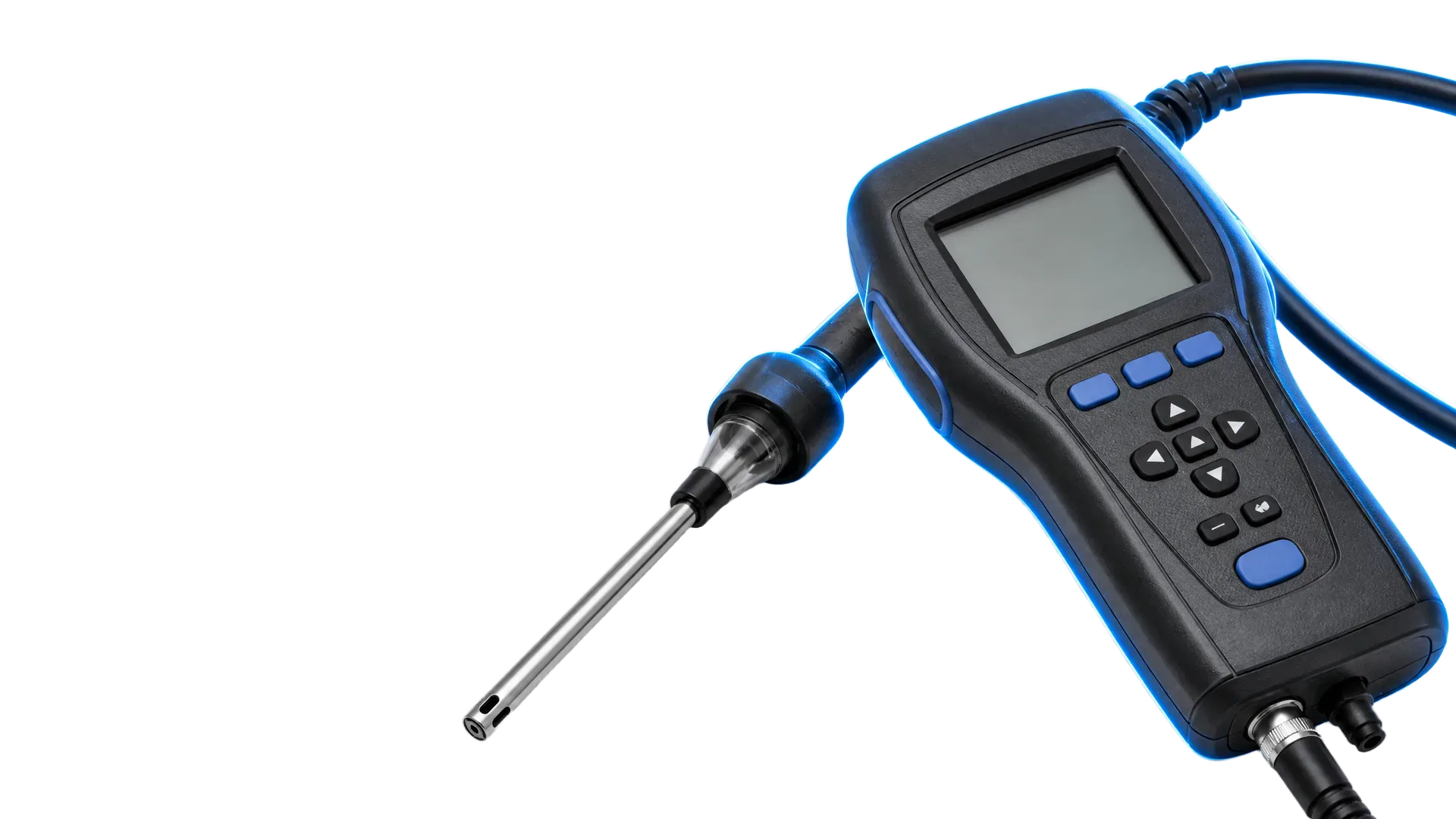
Why a struggling furnace shouldn't be left running
A furnace that's misfiring doesn't fail all at once. It fails a little more every time it cycles on. A cracked heat exchanger gets another cycle of heat and cooling to widen the crack. A dirty flame sensor lets the burner shut off and relight more than it should, and each of those extra starts wears the igniter a little more. A blower motor running on a bad bearing keeps spinning anyway, because the furnace has no way to know the bearing is going. None of these fix themselves by running longer. They get worse, and they tend to take something else down with them. A heat exchanger that cracks further can start leaking exhaust into the air the blower pushes through the house. An igniter that's already weak from overwork can simply stop lighting the burner at all, usually on the coldest night of the week. Shutting the furnace off doesn't fix the part either, but it stops that part from doing more damage to itself or whatever's next to it. That's the real reason a strange smell, a new noise, or a furnace that's cycling fast is worth shutting down and calling about, rather than letting it ride until the weekend.
A bad furnace wastes expensive fuel
Oil at $26.53 per million Btu is expensive fuel to be wasting. A furnace running rough still burns its full share of oil every cycle, it just turns less of it into heat for the house. That gap between fuel burned and heat delivered doesn't close on its own, and it doesn't get cheaper to fix by waiting.
A furnace that's struggling won't fix itself before the next cold night.
Tell us about the job
Takes about a minute. No obligation.
Answer a few questions, and a licensed Vermont contractor will reach out to take a look.