

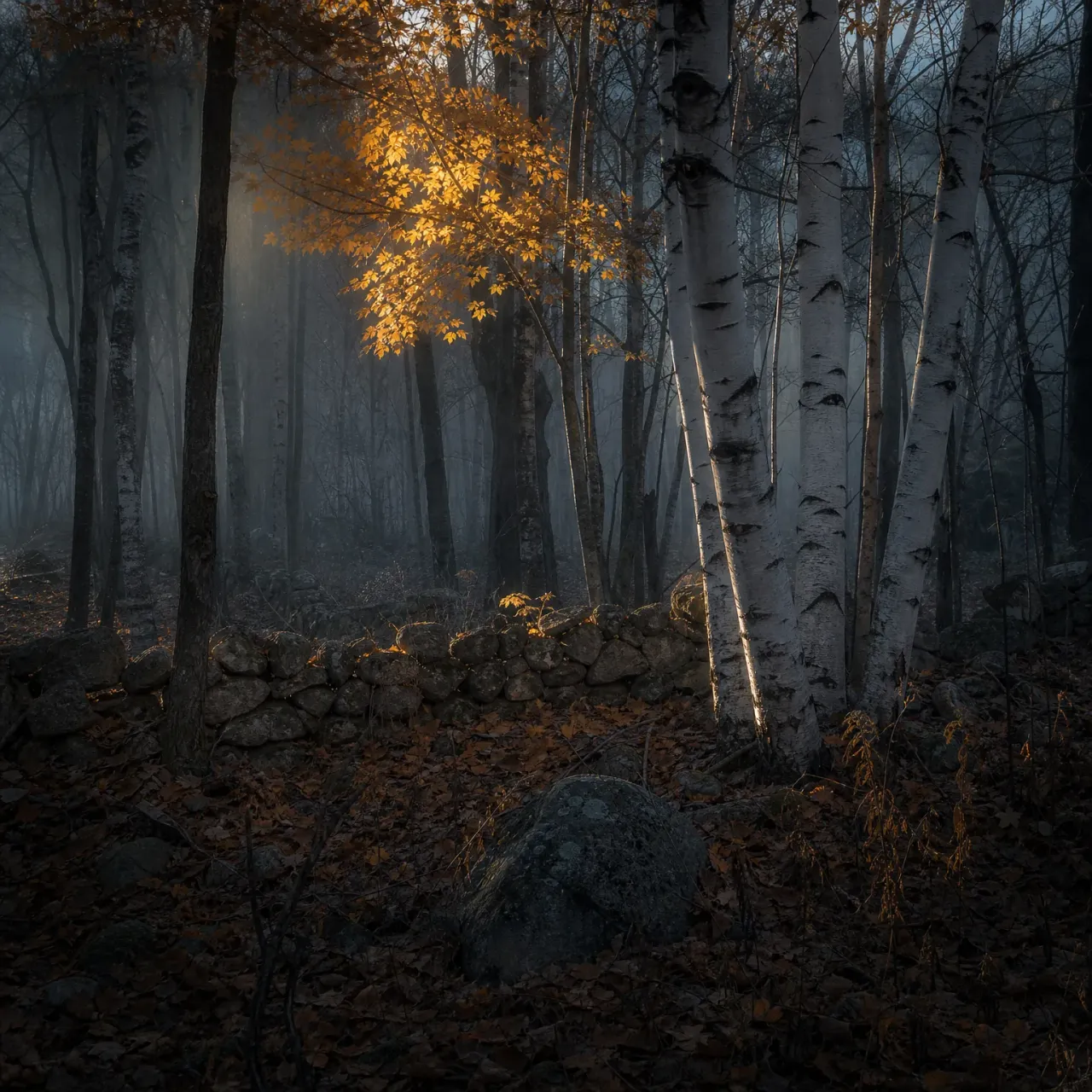

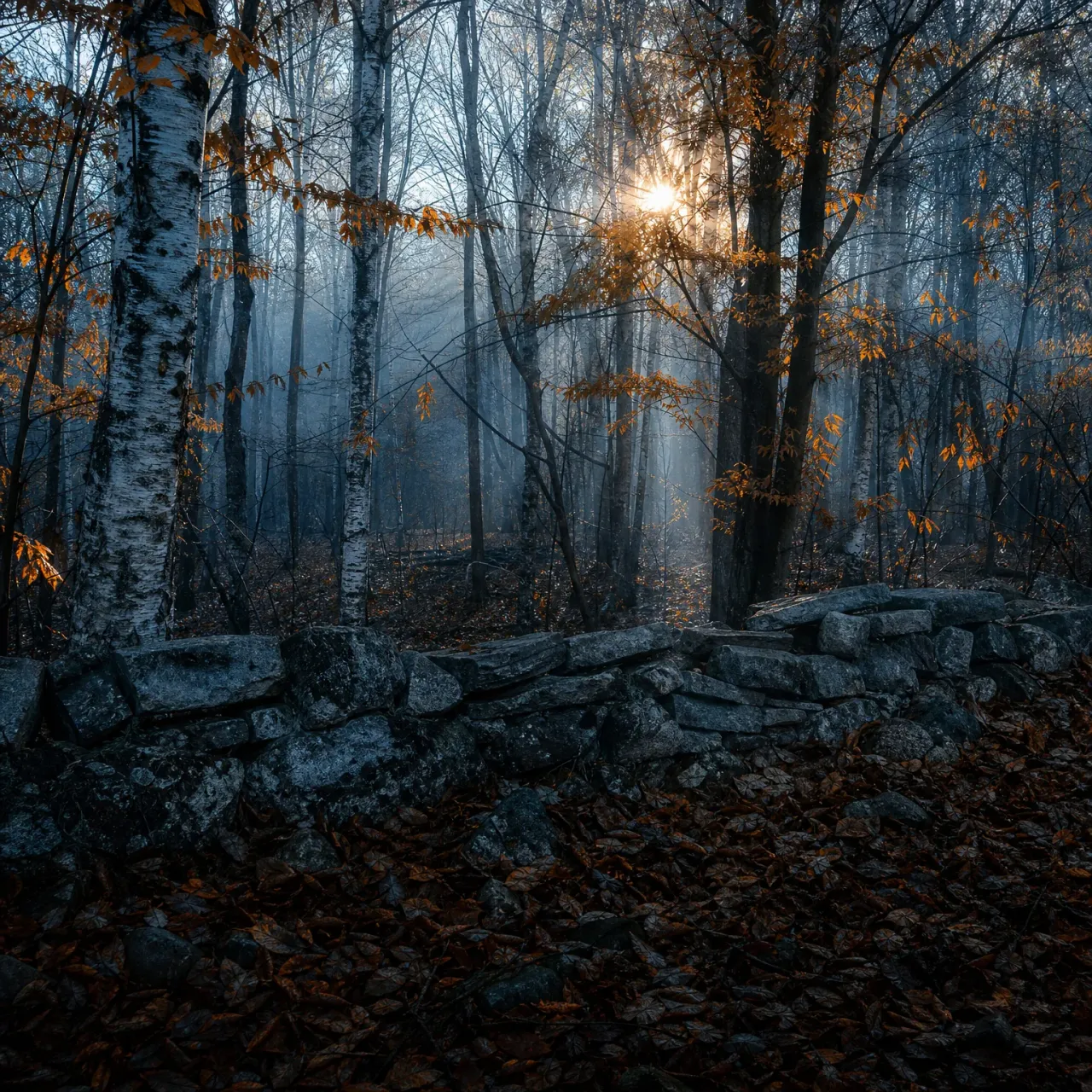


A gas furnace with sheet-metal ductwork and PVC pipes installed in an unfinished basement.

Furnace Repair in Newport, VT

Tell us about the job

Takes about a minute. No obligation.

RepairFurnace or heatingOrleans County, VT
Step 1 of 2

What ZIP code is the job in?

Nine months of heat a year is a long season for a furnace to carry. Most of the country gets a break. Orleans County doesn't, not with December through February averaging 9°F overnight. That kind of cold means the burner is firing longer and more often just to hold a temperature, and the blower is running right along with it. Parts that might last years somewhere milder get asked for more here, and they show it sooner. A furnace acting up in this county is usually just worn from the work, not from anything done wrong.

9 months
September through May, your furnace is on duty
9°F
the average winter night it heats against
37 winter storms
in ten years, the nights a failure hurts most
Isometric line illustration of a cutaway single-story house showing interior rooms with furniture, ceiling ductwork, a chimney flue, and a furnace unit outside the exterior wall.
Your furnace works hardest from November through March.

NOAA nClimDiv, 1991–2020 normals

A furnace that short cycles, turning on and off in quick bursts, isn't finishing its heating cycle.

Short cycling wears the ignition system fast, so it's worth a look before it quits on a cold night.

Nine months of heat means September is when a weak furnace shows it

Heat runs September through May
Winter nights average 9°F
Climate zone 6A
Newport winters don't spare the furnaceOrleans County saw 37 winter storms between 2015 and 2024.

A lot of furnaces up here run on fuel oil, and that oil cost $26.53 per million Btu in Vermont last year. That's a real price to pay for every hour your furnace runs rough. A clogged nozzle, a bad igniter, a dirty filter, any of it makes the burner work harder to put out the same heat, and you cover that difference whether you notice it or not. A furnace struggling through a long cold winter gives those extra costs a lot of time to add up. Worth getting it looked at before another cold month goes by.

A furnace carrying this much work needs a real diagnosis

A furnace that's been firing nine months a year, through nights near 9°F, wears parts faster than one anywhere else. If yours is acting up, that's likely worn components, not a fluke. Get it diagnosed before it has to carry the rest of the winter.

Find a contractor
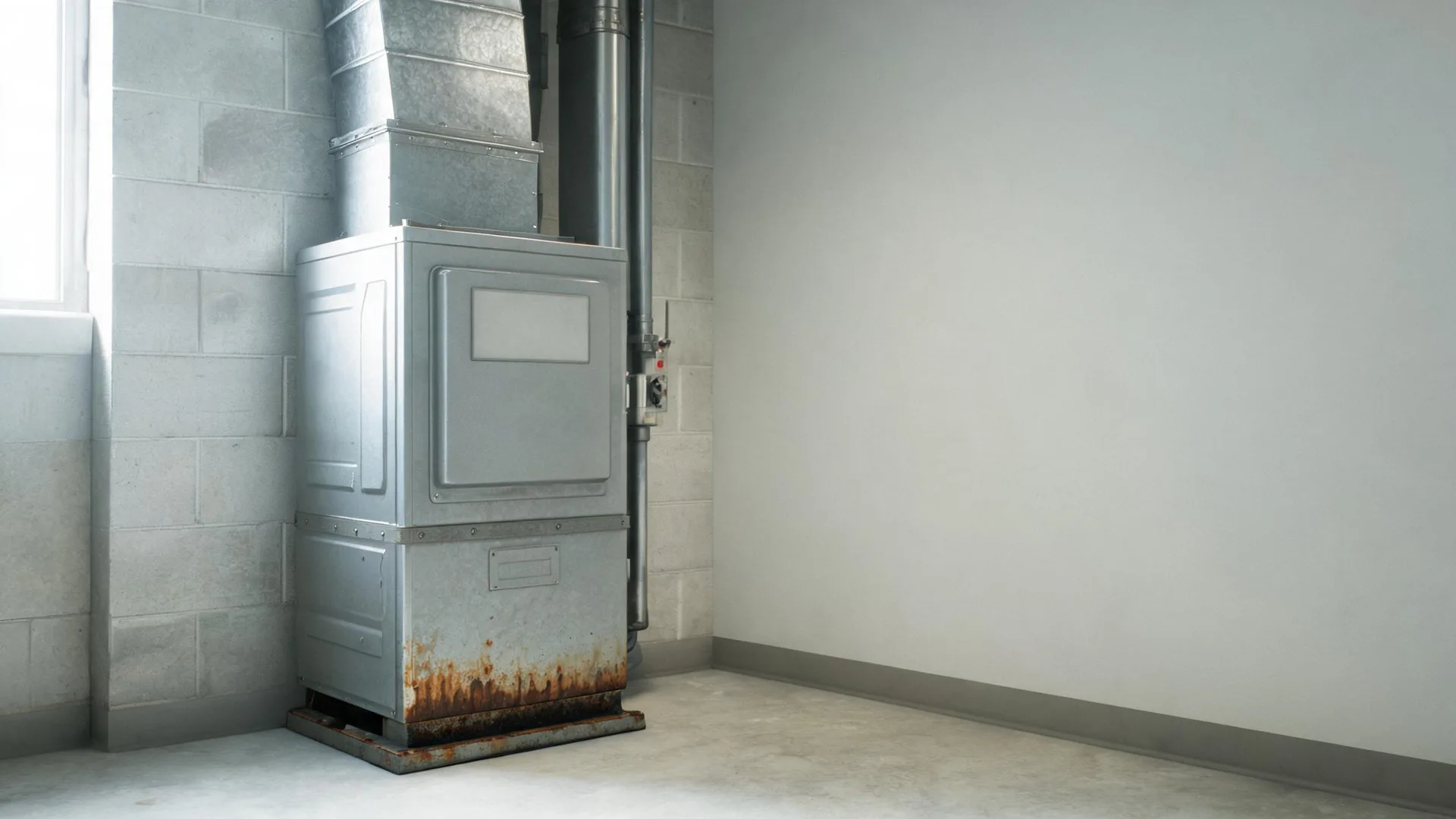
A gray residential gas furnace installed in an unfinished basement, surrounded by ductwork, a metal flue pipe, and a gas supply line.

What to check before you call anyone

Before anyone comes out, a few things are worth checking yourself. Start with the thermostat. Make sure it's set to heat, not fan, and the setting is above room temperature. A weak battery in the thermostat will stop a furnace cold, and it looks exactly like a bigger problem until you swap it. Next, pull the filter and hold it to a light. If you can't see light through it, air isn't getting through it either, and a furnace starved for air will overheat and shut itself off on purpose. Find the power switch near the furnace, the one that looks like a light switch. It gets bumped off by accident more than people expect. If the furnace has a standing pilot, check that it's lit. If it uses electronic ignition, look for a blinking light on the control board. That blink is a code, and the manual or a sticker inside the door tells you what it means. Check that vents and returns around the house are open, not blocked by furniture or rugs. None of this means opening the furnace up or touching anything electrical beyond a switch.

Heat exchangers crack from the same cycle that heats the house

Every time the burner fires, the heat exchanger expands, and every time it shuts off, it contracts. Thousands of cycles over the years, and eventually a crack opens along a seam. Once that happens the furnace needs to be shut down, not patched, because it's the one part standing between the flame and the air headed into the house.
Most no-heat calls trace back to ignition, not the furnace itself

A flame sensor coated in residue stops reading the flame and shuts the gas valve as a safety measure. An igniter goes brittle after enough heat cycles and finally snaps. Either one brings the whole furnace down, even though the rest of it is fine. Worth ruling these out before assuming something bigger is wrong.

Running a furnace with a known problem doesn't fix itself. It lets a small failure turn into a bigger one. A cracked heat exchanger starts as a hairline seam, but every cycle it keeps firing widens it a little more. A flame sensor caked in residue makes the burner try to ignite over and over, and each failed attempt stresses the igniter until it finally snaps. A dirty filter forces the blower motor to push against resistance it wasn't built for, and a motor running hot like that wears down faster than it should. The furnace isn't resting between cycles, it's straining through them, and a part that gives out under that strain usually didn't need to fail yet.

A diagnostic visit starts before any panel comes off. The tech asks what you've noticed. Short cycling, a burning smell, the blower running with no heat coming out, any of it matters. Then comes a check of the basics, same ones you could do yourself, before moving into what you can't. The flue and the gas line get a look, since both need to be right before the furnace should even fire. The tech runs it through a full cycle on purpose and watches the flame through the viewport. A healthy flame burns steady and blue. One that's yellow, flickering, or pulling away from the burner points to an air or fuel problem right there. The blower motor's amp draw gets checked against what it should be pulling, because a motor working harder than it should shows it in the numbers before it shows up in the house. The heat exchanger gets inspected for cracks. That's the part that decides whether the furnace runs again today or gets shut down on the spot.