
Mini Split Installation in Vermont
Homes in Vermont run cooling for fewer months of the year than in 42 of the other 49 states.
Tell us about the job
Takes about a minute. No obligation.
- 76°Fsummer afternoon high where people live
- 1 monthof cooling, in July
- 12°Fwinter overnight low where people live
- 9 monthsof heat, September through May
Summers here barely test a mini split One month of real cooling, July
- Longest cooling months in Chittenden County, shortest in Washington County
- Summer afternoons average 76°F where people live
- Winter nights average 12°F where people live
- Cooling runs in July
- 1,032 damaging wind events from 2015 to 2024
- 21% of homes lost power a day or more in 2024


Vermont's homes are older than most, and that shapes the installation
Half the homes in Vermont were built in 1976 or earlier. Most of the state's housing is detached single-family houses, not apartments or condos, so whatever heating system is already in place was likely sized and installed for that one house. An older home usually means the wiring and electrical panel were installed before mini splits were common, and the walls weren't planned around the lineset and condensate drain a mini split needs. A contractor can check whether the panel has room for a new circuit, but there's no guessing that from the age of the house alone. What's certain is that fitting the new system to the house, not the other way around, is the job.

Fuel oil or kerosene heats 38.5% of homes in Vermont, more than any other fuel. Bottled or LP gas comes next at 19.0 percent. A mini split doesn't replace oil heat outright in most of these houses. It gives a homeowner a second way to heat and cool specific rooms without touching the boiler or the oil tank.
Where a home runs on electric heat already, a mini split installation is a more direct swap, since both systems draw from the same panel and there's no oil tank or gas line to work around. Electricity heats 9.2% of homes here, so that's the exception, not the rule. Most installations are adding a new kind of system to a house built around oil or gas. Either way, the contractor sizes the unit and the wiring to the house as it is, not to what's typical elsewhere.
One month of summer means the installation date matters less for cooling than for heating
July is the only month a mini split in Vermont earns its keep as an air conditioner. The rest of the year it's a heater, so sizing and placement should start from heating, not cooling. Getting one installed before July means the contractor isn't rushing a lineset through a wall in a heat wave, and the unit is already running when the first hot week hits. Scheduling it in spring, while the oil furnace or boiler is still doing the heavy lifting, gives the installer room to work without the house depending on the new system right away.
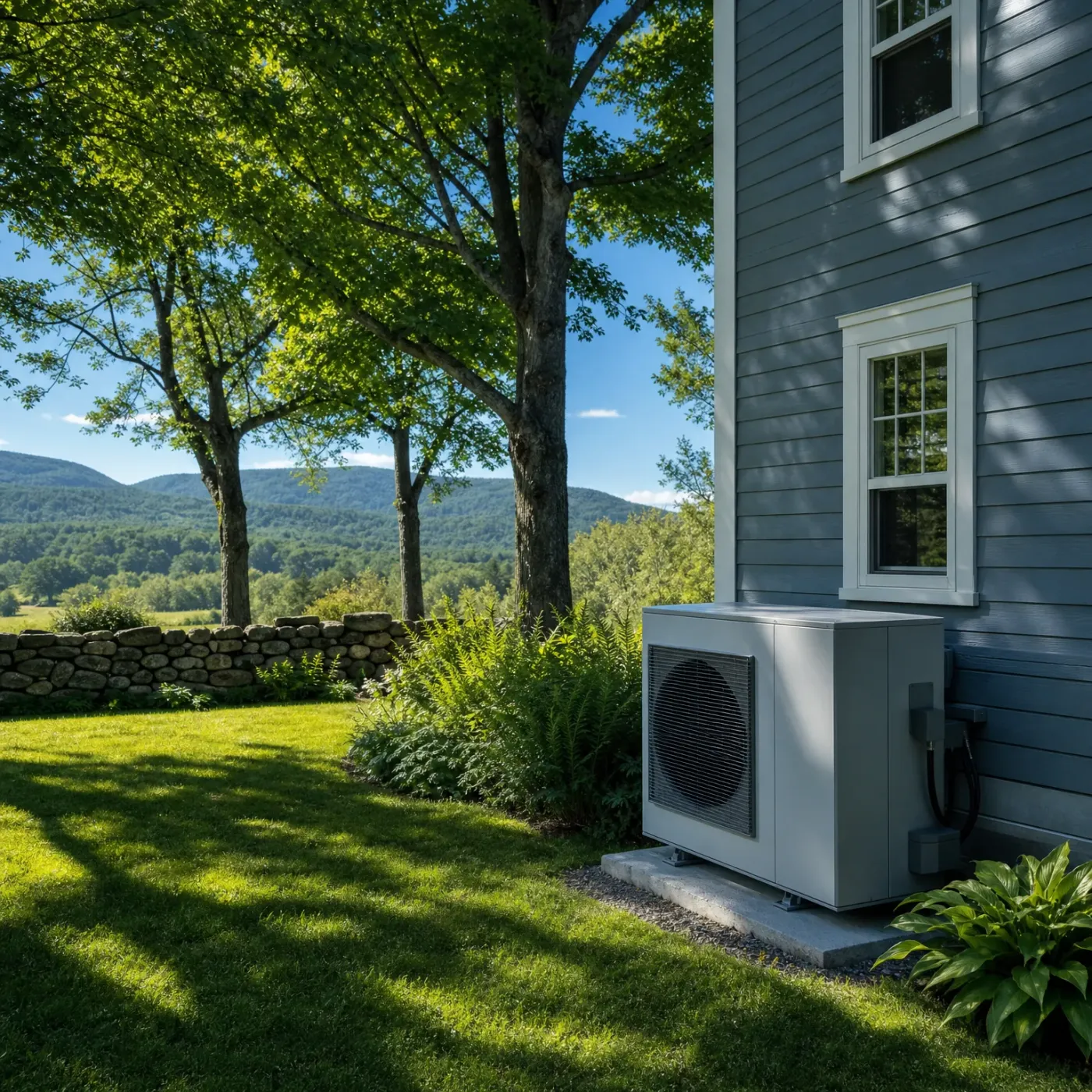
1 month of cooling, in July
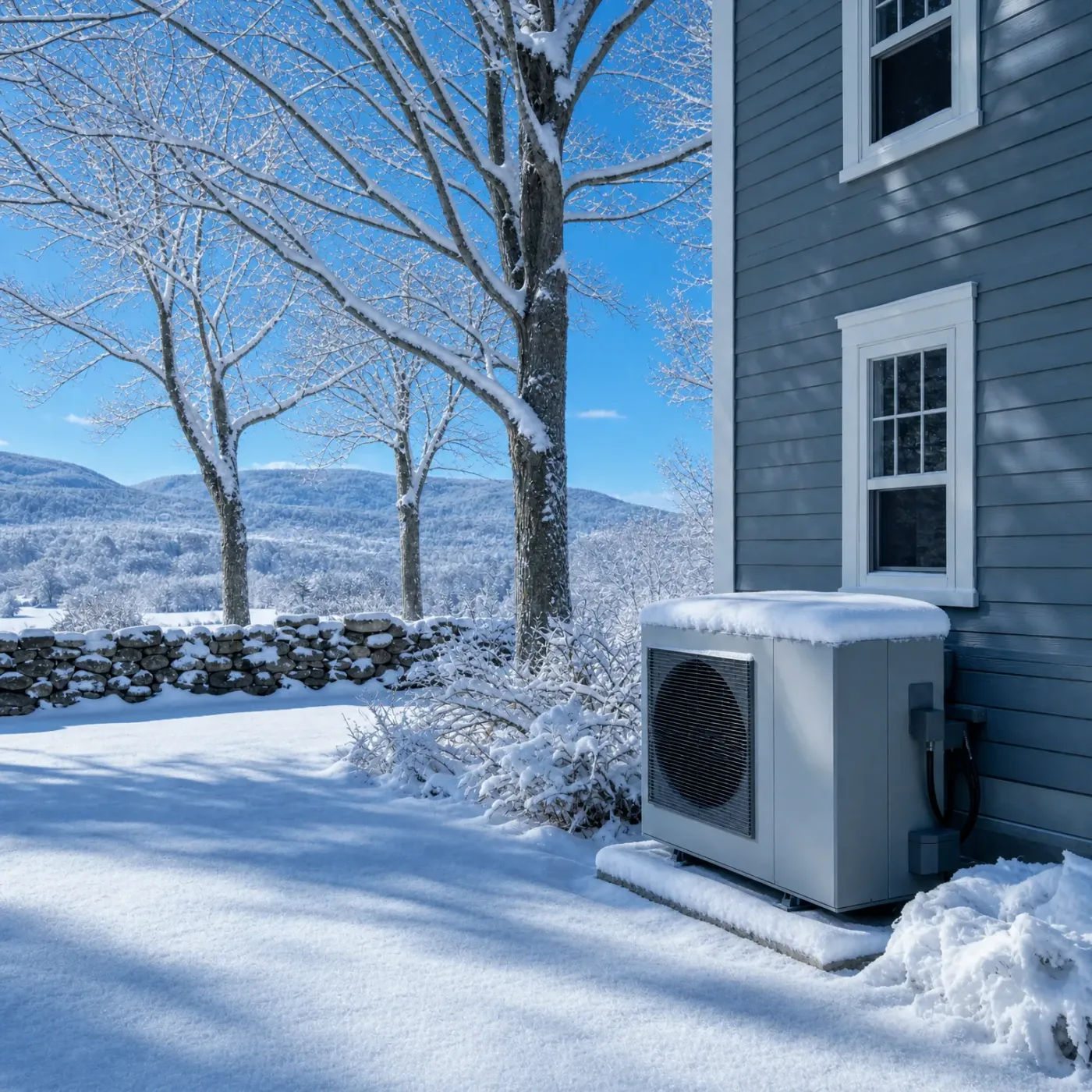
9 months of heat, September through May
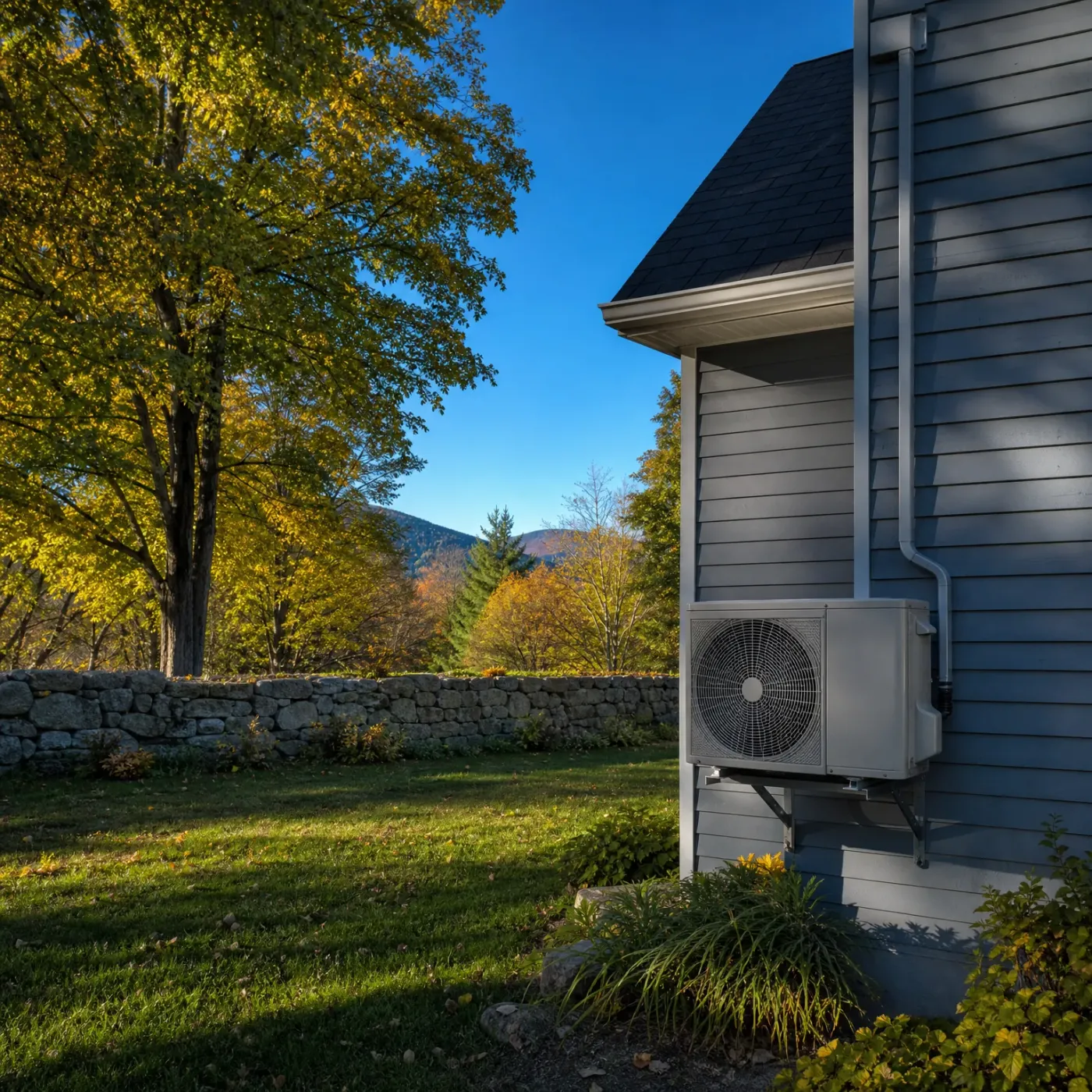
Chittenden County runs cooling about 2 months a year, the longest stretch in the state. Washington County barely runs it at all. A mini split sized for one county's summer can be sized wrong for the other.
Across the state, afternoons in June, July and August average 76°F, cooler than in 46 of the other 49 states. That mildness is part of why cooling here comes down to one month, July, rather than a whole season. Even so, a mini split has to be sized for the heat the house actually holds, not just the average outside.
Wind is the more frequent event here, and by a wide margin. Vermont recorded 1,032 damaging wind events between 2015 and 2024, more than in most other states, while hail showed up far less often over the same years. An outdoor condenser spends a lot more of its life sitting through wind than through hail.
None of this means one county needs a different machine than another. It means the same mini split does different work depending on where it sits. In Chittenden County it earns its keep as an air conditioner longer than anywhere else in the state. In Washington County it spends almost all its time as a heater.
What does a mini split in Vermont face?
How hot do summer afternoons get?
76°Faverage afternoon high where people live
Alaska66°F
Arizona101°F
How cold do winter nights get?
12°Faverage overnight low where people live
North Dakota4°F
Hawaii65°F
How many months does the cooling run?
1 monthof cooling a year
Alaska0 months
Hawaii12 months
What does electricity cost?
21.90¢per kWh (kilowatt hours, the unit on an electric bill), what homes paid in 2024
North Dakota11.51¢
Hawaii42.86¢
How often do storms hit?
148severe weather events per county from 2015 to 2024
Alaska5
Wyoming1,057
How many homes lost power for a day or more?
21%of homes in 2024
Arizona7%
Maine54%
The old system usually stays, it just does less
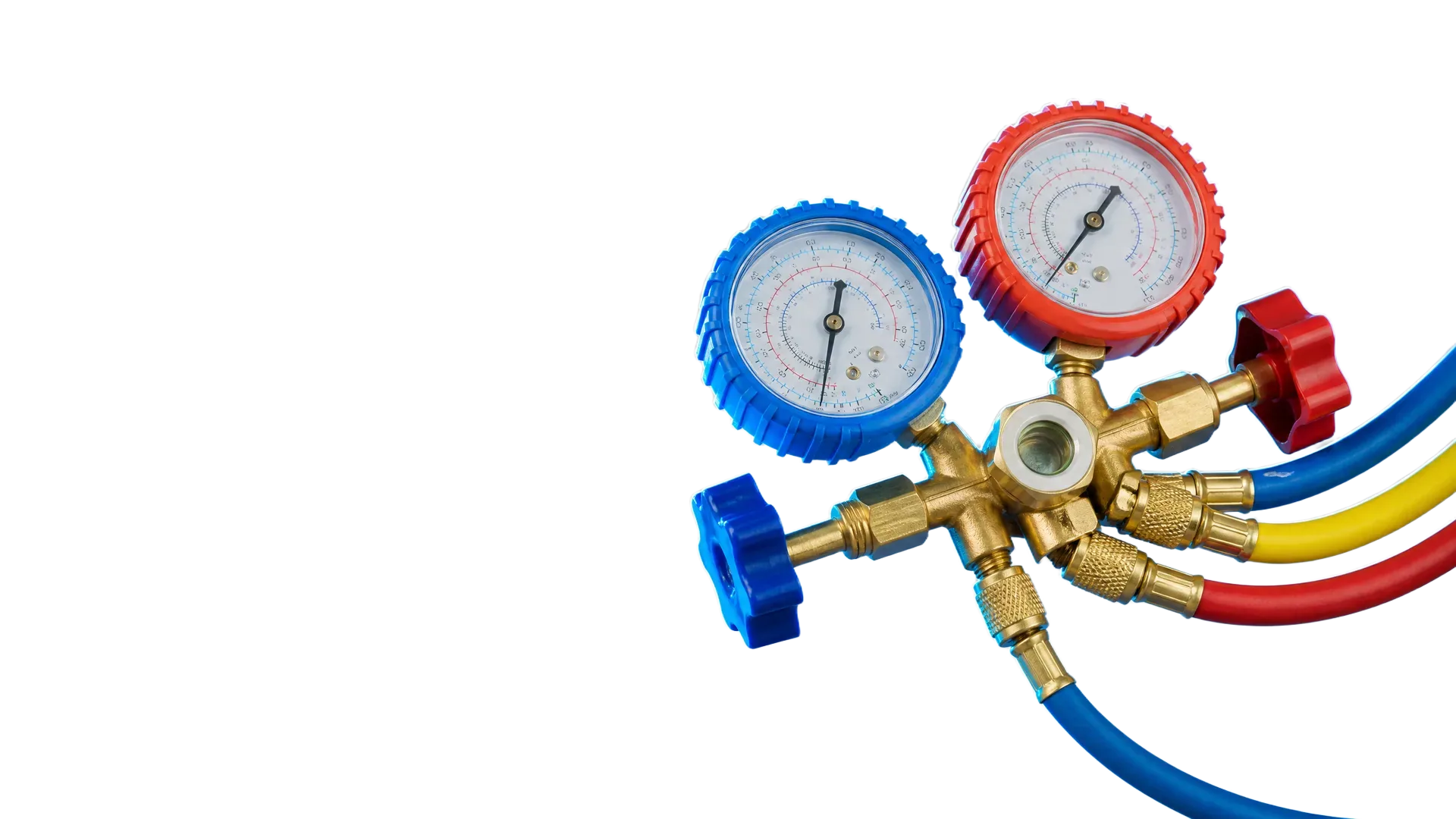
Whatever heat source a house already has, the old system almost never comes out. A mini split isn't a replacement the way a new furnace replaces an old one. It runs alongside the boiler or furnace, so there's no tank to drain, no gas line to cap, no old equipment to haul out. The existing system usually gets left in place and left running, at least some of the year. That matters for how the installation gets planned. A contractor isn't sizing the mini split to carry the whole house through winter on its own. They're sizing it to handle specific rooms well, and the old system keeps doing what it already did for the rest of the house. Where the old heat source is a boiler or furnace, it typically stays as the backup for the coldest stretches, or for rooms the new unit doesn't reach. The one exception is a house already heated by electric resistance, where a mini split can end up doing enough of the job that the old baseboard heaters sit unused most of the time, even though they're still wired in and still work if needed.
The rating on the label assumes a correct install
That yellow EnergyGuide label on a mini split lists a SEER2 (seasonal energy efficiency ratio under the 2023 test, an AC's cooling efficiency over a season) number for cooling and an HSPF2 (heating seasonal performance factor under the 2023 test, a heat pump's heating efficiency over a season) number for heating. Higher is better on both, but neither number tells you what size unit a room needs. A unit sized wrong for the room it's in will run inefficiently no matter how high the rating goes. The rating also assumes the unit is installed and set up correctly, with the lineset run properly and the right amount of refrigerant in the system. A mini split with a strong efficiency rating still has to be matched to the room, the wall it sits on, and the length of pipe running outside to the condenser. The number on the label is a starting point for comparing units, not a guarantee of what any one installation will do.
Oil heats most homes in Vermont, so a mini split goes in as a second system.
Tell us about the job
Takes about a minute. No obligation.
Fill out the form and a licensed local contractor will follow up to look at the rooms and the panel.