A row of gray vinyl-sided two-story houses set back behind a mowed grass lawn, with a weathered wooden stockade fence on the left and large deciduous trees behind.

Mini Split Installation in St. Albans, VT

Tell us about the job

Takes about a minute. No obligation.

New system or replacementMini-splitFranklin County, VT
Step 1 of 2

What ZIP code is the job in?

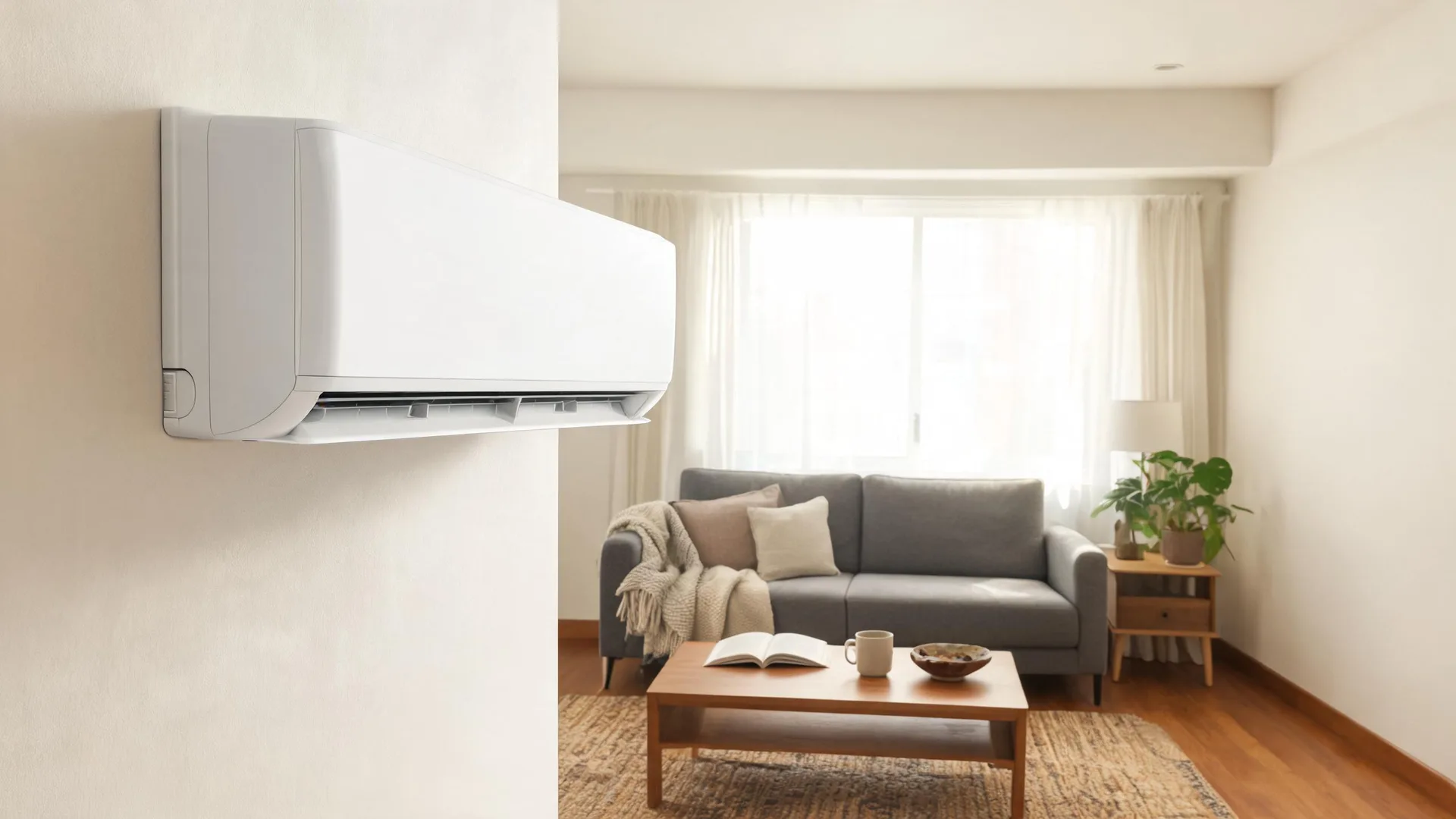
Bigger isn't better

A mini split sized too large for the room cools or heats it fast, then shuts off before it pulls the damp out of the air. The room ends up clammy even though the thermostat says it hit target. The unit that matches the room runs longer, steadier cycles and actually controls humidity along the way.

It's worked out room by room

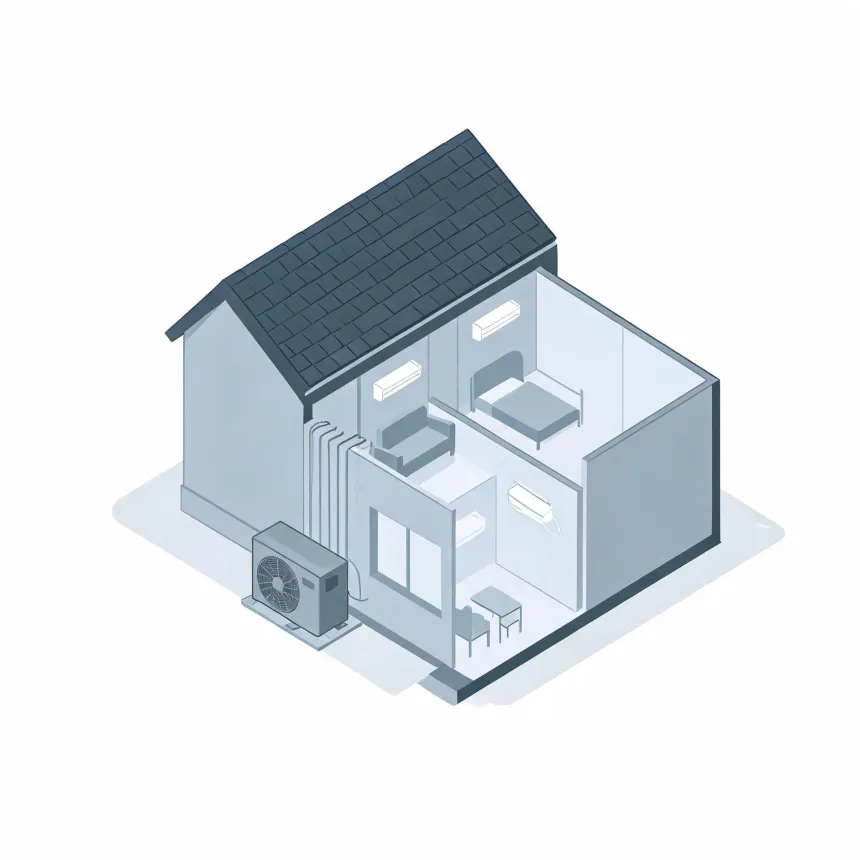
A contractor measures the space, checks the windows and how the room is used, and runs a load calculation for each zone before picking equipment. This isn't a guess based on square footage alone. A room with a wall of west-facing glass needs different capacity than a similar-sized room with none, and the indoor head for each zone gets picked to match what that room actually loses or gains.

9 months
September through May, your system heats
2 months
July through August, it cools
11°F
the average winter night it heats against
76°F
the average summer afternoon it cools against
Isometric illustration of a cutaway house with a dark shingled gable roof, showing interior rooms with a bed, chairs and table, three wall-mounted mini-split indoor units connected by line sets to an outdoor condenser unit on a pad outside.
Your system heats September through May and cools July through August.

NOAA nClimDiv, 1991–2020 normals

The old system has to come out before the new lines go in.

If it's ducted, the new mini split heads get mounted and wired on their own, separate from whatever that old ductwork was doing.

Two months of cooling a year, and 76°F is as hard as it works

Cooling runs July through August
Summer afternoons average 76°F
67 damaging wind events from 2015 to 2024
Sized for the room, not the square footageVermont electricity ran 21.90 cents a kilowatt-hour in 2024, and the size of the unit is what keeps that cost in line

Franklin County logged 128 severe weather events between 2015 and 2024, counting wind, hail and winter storms together. The outdoor unit sits through all of it. Where it goes matters. Keep it clear of roof runoff, off to the side where sliding snow or falling ice won't land on it, and somewhere a plow or a drift won't bury it over the winter. Power cuts are the other piece. A mini split won't run without it, and in 2024 a fifth of Vermont households went at least a day without power. If this system is carrying the heat for the home, it's worth working out backup options before an outage, not during one.

A second system that doesn't run on oil or propane

Fuel oil heats more homes in Franklin County than anything else, and bottled or LP gas is common too. A mini split doesn't replace that furnace, it gives you a second way to heat and cool using electricity instead. That matters here because it means less demand on the oil tank or propane line, and cooling you didn't have before.

Find a contractor
A white mini-split air conditioner outdoor condenser unit mounted on metal brackets against a beige stucco exterior wall, with a blue sky and scattered clouds in the background.

The install price comes from the layout, not the workload

What drives the price isn't how hard the system will run once it's in. It's what the job takes to get it there. Each zone needs its own line set and its own power run back to the outdoor unit, so the number of zones matters more than almost anything else. A wall that's easy to get a line through costs less to open than one backed by brick or stone. If the outdoor unit has to sit far from the heads it's feeding, that's more line to run, more insulation, more work for the same number of zones. None of that has anything to do with how many months the system works. It's about the layout of the place the work is happening in.

Ask what happens when one zone fails

Each indoor head runs off its own line set back to the outdoor unit, so a problem with one zone's board or sensor doesn't take down the others. Ask whether the system is set up as one outdoor unit feeding multiple heads, or separate systems entirely. That changes what a single breakdown costs you in comfort while it gets fixed.

Ask who services the brand locally

A mini split needs its filters cleaned and its outdoor coil kept clear to keep running the way it did on day one. If the brand being quoted isn't one contractors in the area commonly work on, parts and service calls take longer to arrange. Ask the installer what they service most often, not just what they sell.

The number on a mini split's label, the SEER2 or HSPF2 rating, tells you how much heat it moves for the power it draws, not how big a room it can handle. A high rating on a unit that's oversized for the room still cycles on and off too fast, and the efficiency gain never shows up on the bill the way it should. That rating also gets tested under set conditions in a lab. Run the heat side hard on a cold night and the real output drops below what the label implies, which is why the sizing and the rating have to be looked at together, not one instead of the other. A mid-tier unit sized right for its zone will often outperform a top-tier unit that's wrong for the space it's cooling or heating.

Installation starts with the outdoor unit and the line set, not the indoor head on the wall. A contractor runs refrigerant lines, a condensate drain and power from the outdoor unit through a small hole in the wall to each indoor head. Those lines get connected, purged of air and checked for leaks before any refrigerant goes in. That pressure test matters more than almost anything else that day. A line set that leaks slowly will starve the system for capacity months later, and it gets harder to trace once the wall is closed up. Once the lines hold pressure, the system gets charged, the heads get mounted level and the whole setup runs through both heating and cooling before anyone calls it done. A mini split installed well leaves very little to see afterward, just a line set run along the wall or hidden in a chase, a compact pad or bracket outside, and heads that sit quietly on the wall doing the work.