A row of gray clapboard houses with gabled roofs behind a long white picket fence, with mown grass in the foreground and large leafy trees overhead.

Furnace Repair in Alburgh, VT

Tell us about the job

Takes about a minute. No obligation.

RepairFurnace or heatingGrand Isle County, VT
Step 1 of 2

What ZIP code is the job in?

What the repair history tells you

A furnace that's needed the igniter, the draft inducer and the control board replaced in separate visits is wearing out piece by piece. Fixing the next failure just buys time until the one after it. A furnace on its first real breakdown is a different case, and worth repairing.

What a cracked heat exchanger means

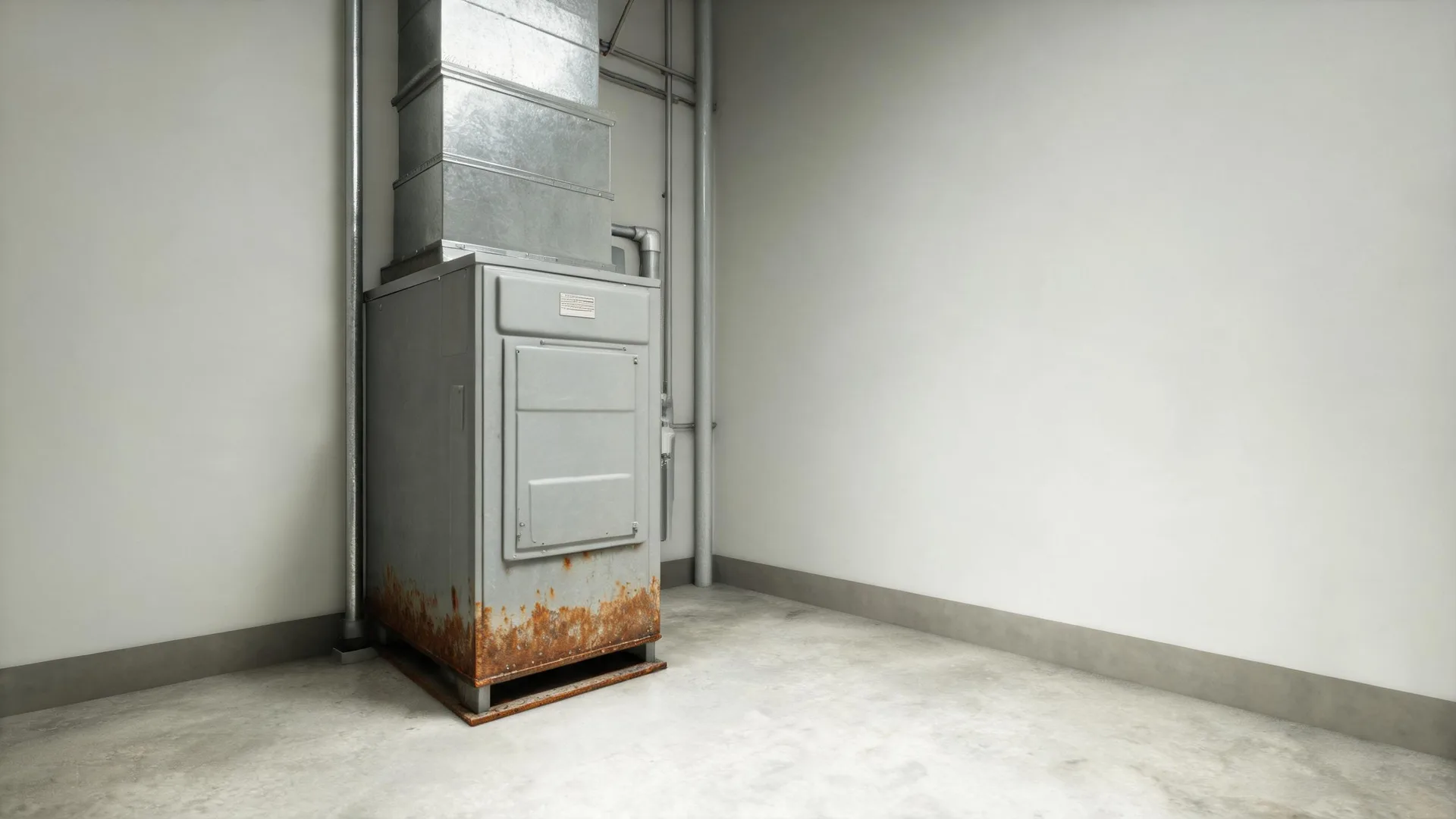
The heat exchanger is the one part that isn't worth repairing around. If a contractor finds a crack or signs of corrosion there, the furnace needs to be replaced, not patched, because that part is what keeps exhaust gases out of the air your household breathes.

9 months
September through May, your furnace is on duty
13°F
the average winter night it heats against
16 winter storms
in ten years, the nights a failure hurts most
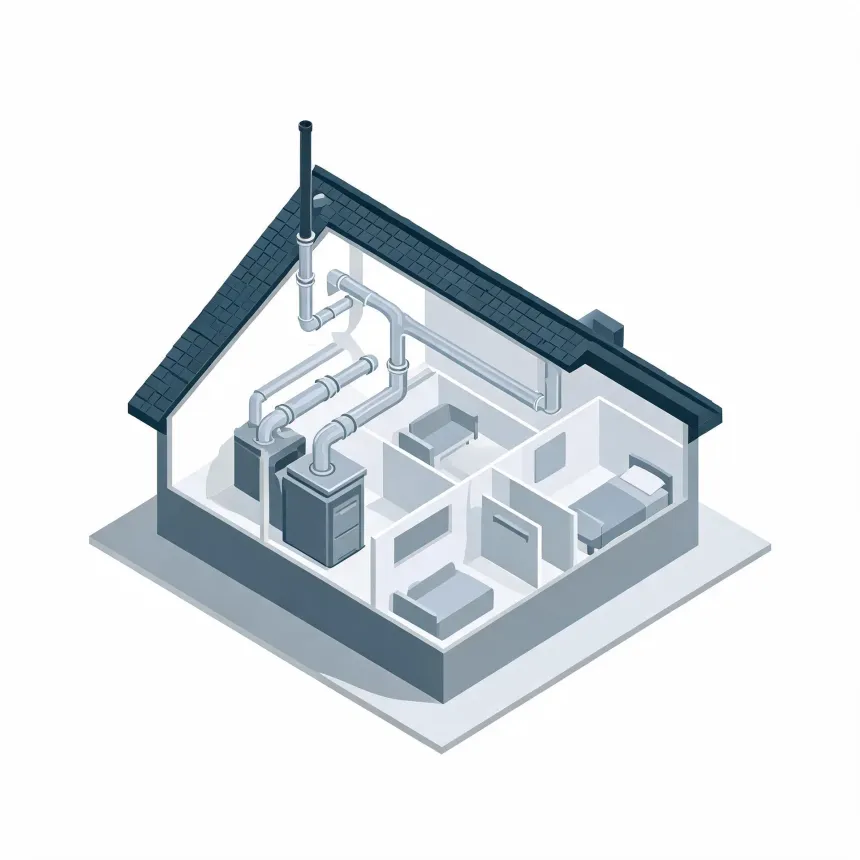
Isometric illustration of a cutaway house showing a furnace unit with ductwork and a flue pipe running through the interior rooms, which contain simple furniture.
Your furnace works hardest from November through March.

NOAA nClimDiv, 1991–2020 normals

Furnaces in Alburgh start running in September and go through May.

September is when a weak igniter or a bad control board finally gives out, under that first real load.

Heat runs on fuel oil here, and oil costs more than almost anywhere else to burn

Heat runs September through May
Winter nights average 13°F
Climate zone 6A

Half the homes in Grand Isle County were built in 1984 or later. If that's your house, the furnace inside it hasn't had decades to wear down the way one in an older home might have. A furnace with a reasonable amount of use on it is usually a good repair candidate, because the rest of the system is still sound. That's different from a furnace nearing the end of a long service life, where one fix tends to lead to another. Check when your system went in, not just when the house was built, since a furnace can be swapped out long before the house shows its age.

Nine months of heat a year adds up to real wear

Furnace here runs nine months a year, September through May, with overnight lows averaging 13°F in the coldest stretch. That kind of load adds up, whatever a furnace's age. It's worth having someone find the actual cause before anything gets replaced.

Find a contractor
A gray residential gas furnace installed in an unfinished basement, connected to sheet-metal ductwork and PVC pipes.

Go by the furnace's age, not the house's

Check the date on the furnace itself, not just the house. If it went in when the house was built, it's had a normal number of seasons on it, not decades. That matters when a repair call turns up a single worn part, like an igniter or a control board, on a system that's otherwise been kept up. Replacing that one part is a reasonable call on a furnace like that. Ask whoever comes out to look at the unit's age along with whatever's failed, so the repair decision is based on the furnace in front of them.

A cracked heat exchanger gets worse by running

Once that part is cracked, every cycle pushes exhaust past the crack and flexes the metal again under heat. The crack doesn't stay the same size. It's why a contractor shuts the furnace down on the spot instead of scheduling a fix.

A failing igniter or inducer motor doesn't fail cleanly

A weak igniter can still catch some of the time, so the furnace short cycles instead of quitting outright. Each failed attempt is a load on the control board and the gas valve. What starts as one bad part can take others down with it before anyone calls for help.

A furnace that needs attention usually tells you before it quits outright. It might take a few tries to light where it used to catch right away. It might run for a few minutes and shut off on its own, then start again later, which is short cycling and not something to wait out. The air from the vents might feel cooler than it used to, or one room stops getting warm while the rest of the house is fine. A burner flame that's yellow or flickering instead of steady blue is worth a call, and so is a burning or metallic smell when the system kicks on. A bang at startup, a rattle from the cabinet, or a screech from the blower all point to a part working harder than it should.

A diagnostic call starts with the thermostat and works back from there, checking that the furnace is actually getting a call for heat before anything gets opened up. From there it's the burner, watching how the flame lights and whether it stays steady or rolls and flickers. A meter comes out for the igniter and the flame sensor, since both can look fine and still be out of range. The inducer motor gets checked for draw and for the sound it makes spinning up, because a motor that's failing often still runs, just wrong. Only after that does the heat exchanger get a look, since that inspection is what tells a contractor whether this is a repair or a replacement. The furnace usually runs a full cycle at the end, so whatever was found gets confirmed against what the system actually does, not just what it measures.