





An unfinished basement featuring a forced-air furnace, exposed wooden ceiling joists, bare concrete walls, and miscellaneous items including cardboard boxes and coiled cables on the floor.

Furnace Repair in North Bennington, VT

Tell us about the job

Takes about a minute. No obligation.

RepairFurnace or heatingBennington County, VT
Step 1 of 2

What ZIP code is the job in?

Furnaces in North Bennington run September through May. That's most of the year. Overnight lows average 13°F through December, January and February, so the furnace isn't just kicking on now and then, it's holding a long burn most nights. On top of that, the area gets hit with winter storms, heavy snow, ice, blizzards, 42 times in the past decade, and each one means hours of continuous run time with no break. A furnace doing that kind of work every winter wears differently than one that only runs on the occasional cold snap. That's why the igniter, the blower motor or the heat exchanger can give out sooner than you'd expect.

9 months
September through May, your furnace is on duty
13°F
the average winter night it heats against
42 winter storms
in ten years, the nights a failure hurts most
Isometric cutaway illustration of a house showing interior rooms with furniture, a furnace unit with a tall flue pipe outside, and ductwork running through the attic.
Your furnace works hardest from November through April.

NOAA nClimDiv, 1991–2020 normals

A cracked heat exchanger left running keeps pushing combustion gas into the air it's heating.

A furnace doing that needs shutting off now, not left to wait for a slower afternoon.

Half the furnaces here are older too

Half the homes here were built by 1972
Heat runs September through May
Winter nights average 13°F

September is when these furnaces get asked to do real work for the first time since spring. A weak igniter or a tired blower motor tends to show itself in that first cold week, not months into the season. If a part was already worn down by last year's winter, it doesn't get a rest over the summer, it just sits there until the furnace fires again. Getting it looked at in August, before that first cold night, means finding the weak part with the furnace off instead of finding out the hard way when it won't start. Once the season settles in and the furnace is running long and often, there's no easy window left to catch something small before it quits.

A furnace that's struggling costs more to run here

A lot of Vermont homes still heat with oil, and oil ran $26.53 per million Btu in 2024. A furnace that's short-cycling, overheating, or working harder than it should burns through more of it every night it runs. Fixed now, before the cold settles in for good, it stops costing you for a problem that's already been found.

Find a contractor
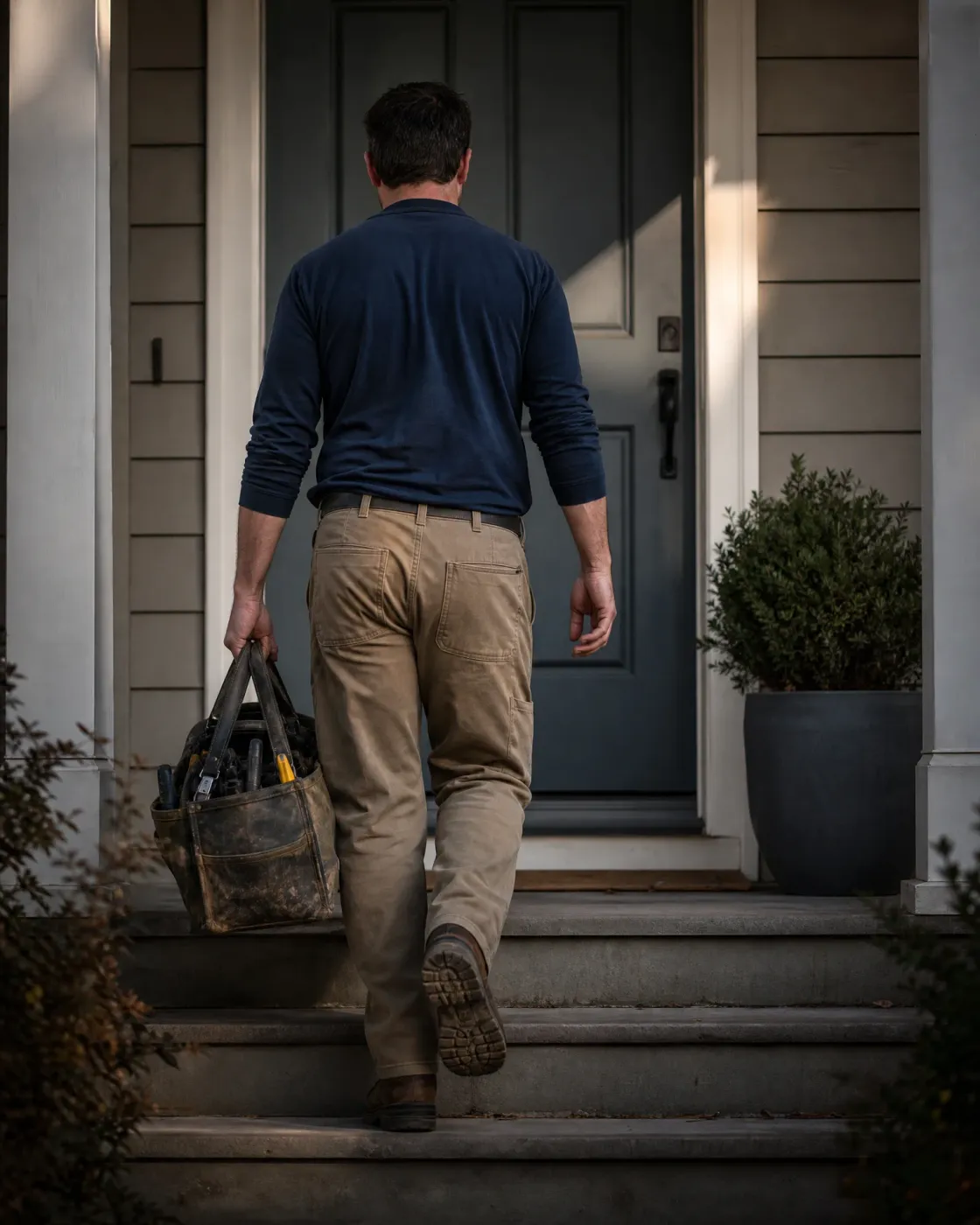
A man in a navy long-sleeve shirt and tan pants carries a canvas tool bag up concrete steps toward a dark blue front door flanked by columns and a potted shrub.
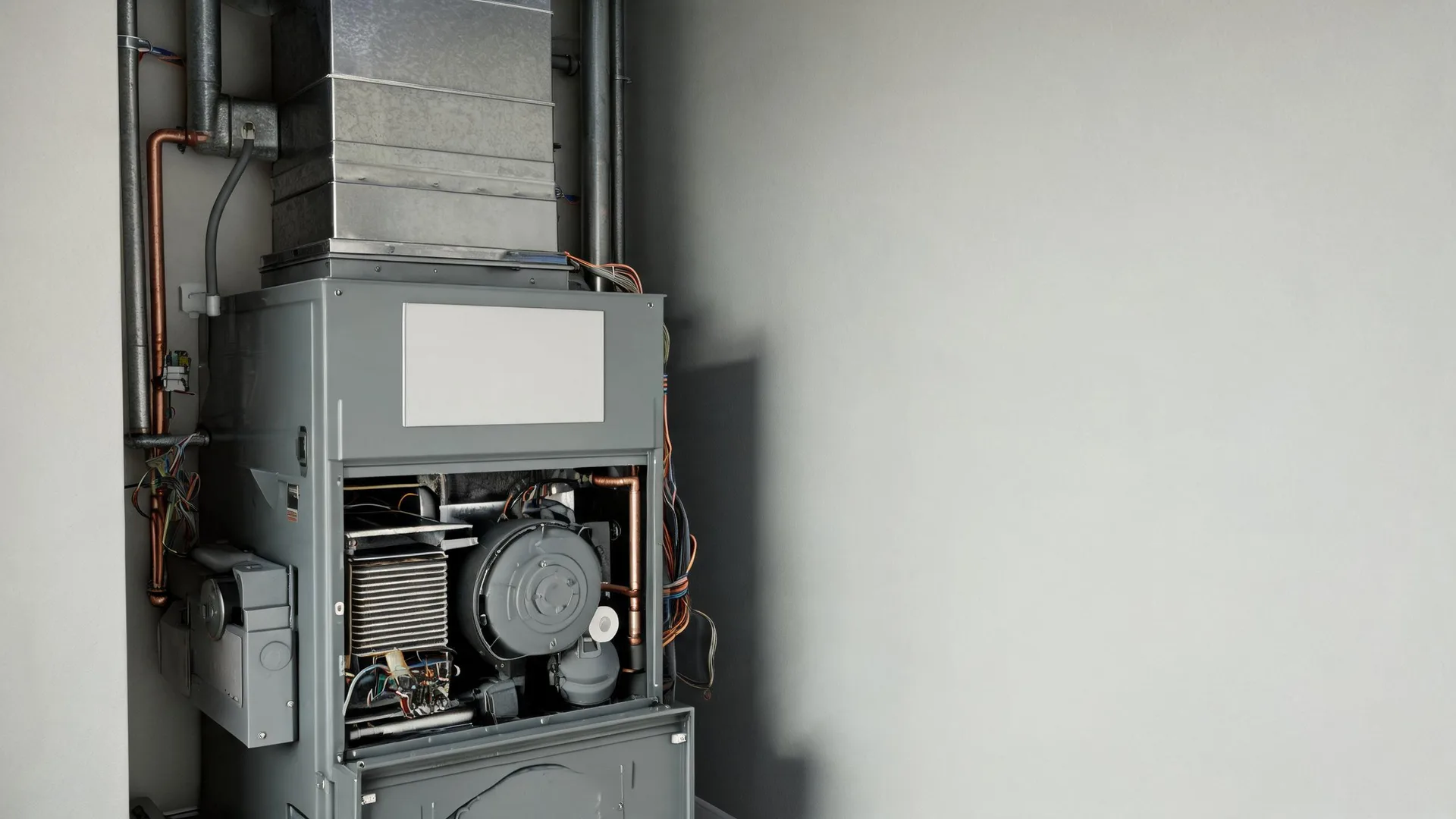
A gas furnace with attached ductwork, gas piping, and condensate lines installed in a concrete-block basement.

Nine months of run time adds up fast

A furnace that runs nine months a year doesn't get much downtime to show you what's wrong. When it's holding a long burn most nights through December and January, a weak part is working the whole time, not just when a cold snap hits. Get it checked instead of guessing from the symptom. A furnace that's been short-cycling or running long all winter can look like a thermostat problem or a dirty filter when the real cause is a part that's worn from the load it's carried since September.

What actually wears out

The igniter cracks or weakens from repeated heating and cooling cycles. The blower motor's bearings wear down from running long hours, so it starts making noise or struggling to turn. The flame sensor gets a coating of oxidation over time and stops reading the flame right, so the furnace shuts itself off a few seconds after starting. These are wear parts. They fail from use, not from a single bad night.
What that means for the fix

A worn igniter or dirty flame sensor is a straightforward swap or cleaning, and the furnace runs fine after. A blower motor on its way out is worth replacing before it seizes, since a seized motor can trip a limit switch and shut the whole system down. None of these need the furnace replaced. They need the specific failing part found and dealt with before it takes something bigger down with it.

A furnace that needs attention usually tells you before it quits outright. It might take a few tries to light, or light and then shut off again a few seconds later. It might run longer than it used to just to reach the same temperature, or blow air that's not as warm as you'd expect. Some problems make noise, a rattle from the blower, a bang from the burner catching late, a hum that wasn't there before. Some show up as smell, like burning dust the first time it fires, or something sharper that doesn't clear after a few minutes. Any of these is the furnace telling you a part is struggling before it fails outright.

A diagnostic visit starts before any panel comes off. A tech will ask what the furnace is doing, when it started, and whether it happens every cycle or just sometimes, because that narrows down the search fast. Then the covers come off and the tech watches it run through a full cycle, start to flame to shutoff, since some problems only show up at one point in that sequence. Electrical parts get tested with a meter rather than guessed at. A flame sensor gets pulled and checked for a coating, an igniter gets checked for a crack or a weak glow, pressures and temperatures get read off the gas valve and the plenum. The goal is finding the one part actually causing the symptom, not replacing things until it stops happening.