



What the cold here does to a heat pump
Your winters decide this more than the price tags do. The heat runs nine months a year here, September through May, and the overnight low averages 13°F in December, January and February. That number matters because a standard heat pump starts losing ground well above it. Below 40°F its heat output falls short of what it's rated for, and below about 35°F it often needs backup heat to make up the difference. Here, every single night that drops to freezing or below, about 155 of them a year, is already past both of those marks. The average winter night doesn't brush up against the hard-weather mark for a heat pump. It sits well past it.
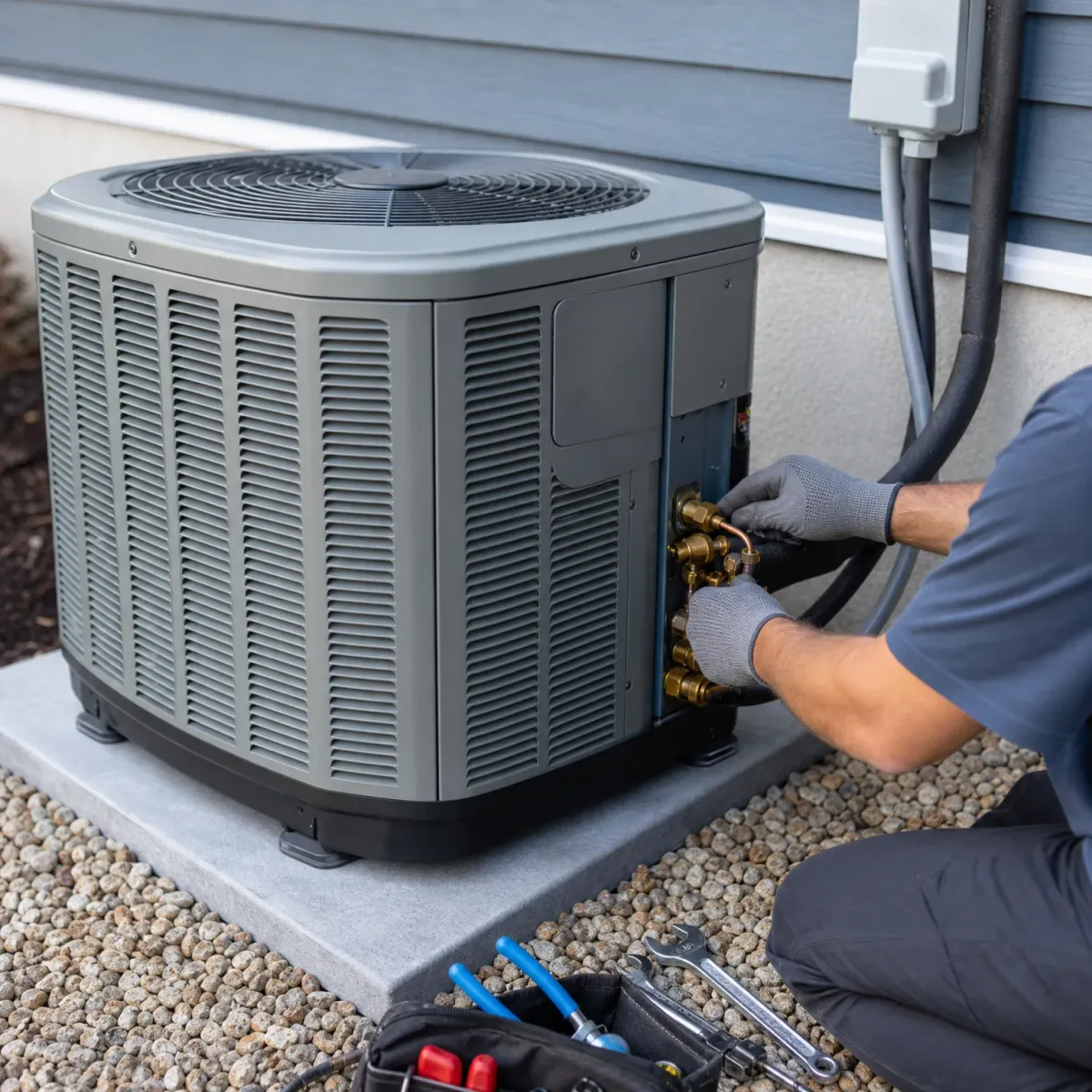
That doesn't rule out a heat pump. It rules out an ordinary one. A unit built to carry the ENERGY STAR Cold Climate label has to prove something a standard model doesn't: at 5°F it must still produce at least 1.75 units of heat for every unit of electricity it uses, and hold onto 70 percent of its 47°F capacity, checked by outside testing. Field tests of these cold-climate units back that up. Backup heat covered only a small share of the total output between 0°F and 35°F, and the units rarely ran on backup alone unless it dropped below 0°F. Thirteen nights a year here get that cold. So if a heat pump goes in, it needs to be the cold-climate kind, and even then it will want backup for the coldest nights, not all 155 of them.