




A single-story white house with dark gray shingled roof and black window shutters, set behind a mown lawn with blurred green foliage in the foreground and large deciduous trees behind.

Furnace Installation in North Bennington, VT

Tell us about the job

Takes about a minute. No obligation.

New system or replacementFurnace or heatingBennington County, VT
Step 1 of 2

What ZIP code is the job in?

Fuel oil ran $26.53 per million Btu across Vermont in 2024. If your furnace runs on oil, that number shows up on every tank fill. An efficient furnace burns less fuel to put out the same heat, and at that price the difference is worth asking about before you install. Ask what AFUE rating a unit carries, since that tells you how much of what you burn actually heats the house rather than going up the flue.

9 months
September through May, your furnace is on duty
13°F
the average winter night it heats against
80% AFUE
the federal minimum any new unit must meet
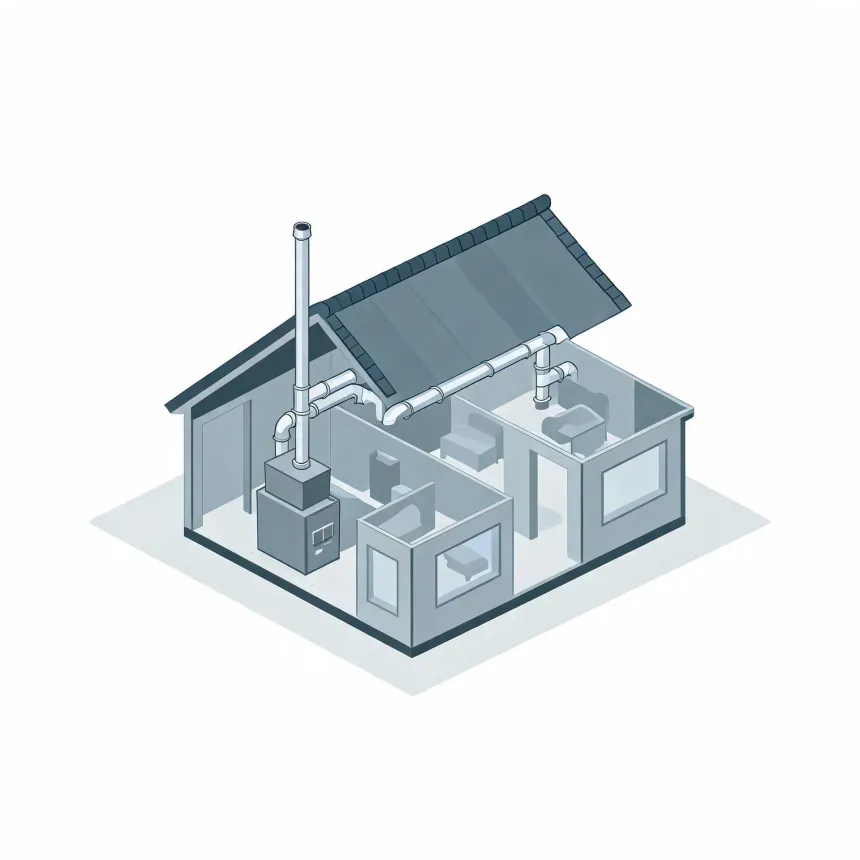
Isometric grayscale illustration of a cutaway house showing an interior furnace with a tall flue pipe and ductwork running to rooms under a partially lifted roof.
Your furnace works hardest from November through April.

NOAA nClimDiv, 1991–2020 normals

Furnaces in North Bennington start running in September.

Install before August ends and the new furnace is already broken in when it has to work.

Nine months of heat and 13 degree nights ask a lot of a furnace

Heat runs September through May
Winter nights average 13°F
42 winter storms from 2015 to 2024

Most homes in Bennington County heat with oil, not gas. If that's what your old furnace ran on, staying with oil for the replacement usually makes sense. The tank, the lines and the venting are already in place, built for that fuel. Switching to gas or electric means tearing into that setup and adding equipment a straight oil-to-oil swap doesn't need. Ask whoever quotes the job whether your home is already set up for the fuel you're choosing, or whether the install has to account for changing it.

Efficiency pays here

Power costs more here, so an efficient system pays you back on every bill.

Find a contractor
A man in a gray shirt and tan pants carries a worn canvas tool bag up porch steps toward a dark blue paneled front door, with a potted shrub beside the entry.
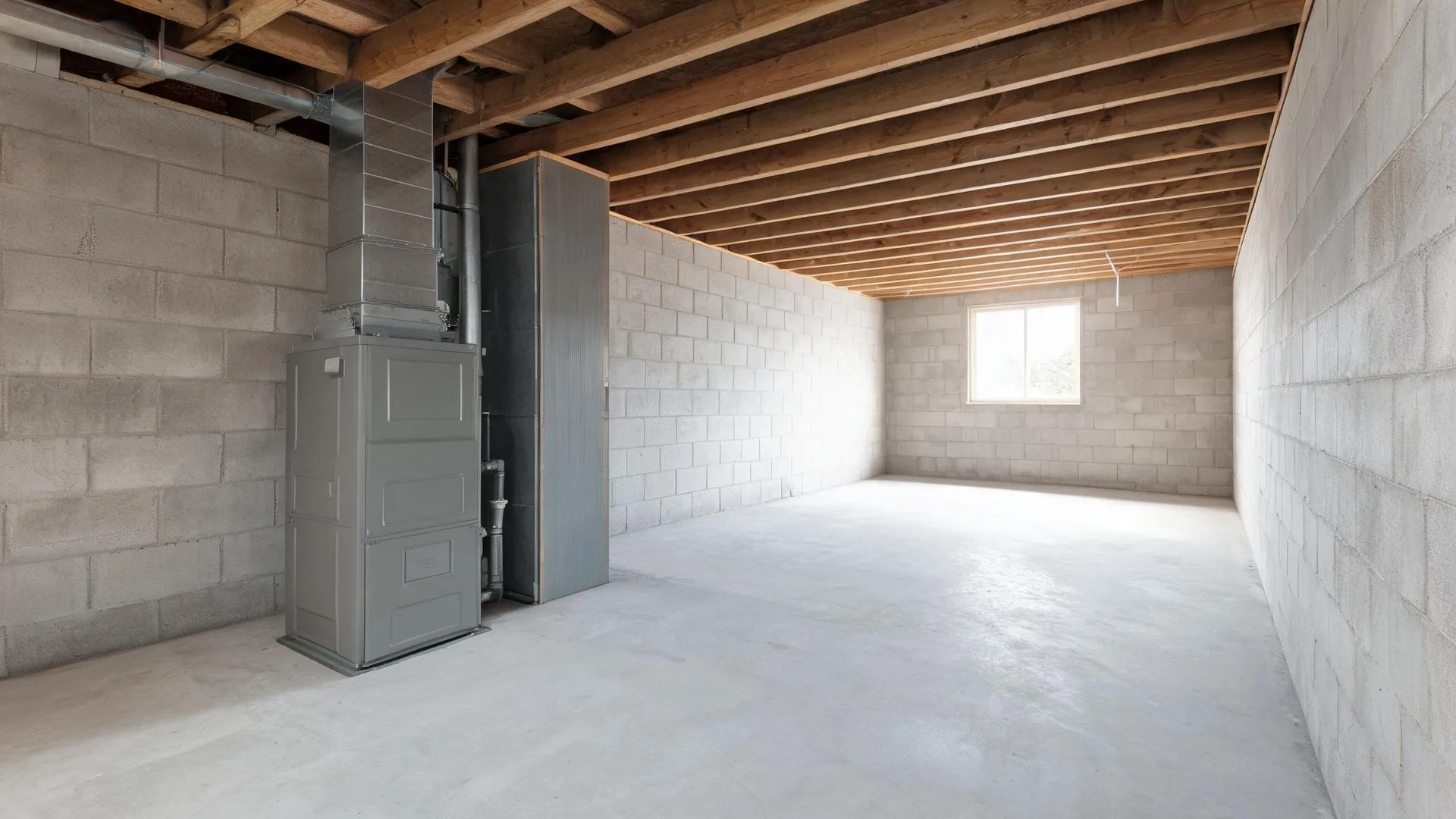
A gray residential gas furnace installed in an unfinished basement, connected to sheet-metal ductwork and PVC pipes.

Older homes need a furnace sized to fit them

Half the homes in Bennington County were built in 1972 or earlier. A furnace going into a house that age is going into ductwork and venting sized for whatever ran there before, not for whatever you pick off a spec sheet. The new unit has to match that layout, or the install has to change it. Ask whoever quotes the job to look at what's already there before they tell you what size furnace you need.

Size drives most of the cost

A furnace has to match the heat loss of the house it's going into. Too small and it runs constantly without catching up. Too big and it short cycles, turning on and off before it ever settles into a steady burn, which wears out the heat exchanger and the igniter faster. Getting the size right means someone has to calculate the load instead of guessing from the old unit's size, and that calculation shapes which furnace fits the job.
The duct and vent work decide the rest

A furnace rarely drops in alone. If the ductwork is undersized or leaky, air won't move the way the new unit expects, and that has to be corrected for the furnace to perform the way it's rated. The venting has to suit the fuel and the AFUE rating of the furnace going in, since a higher efficiency unit often vents differently than what was there before. Whatever work the ducts and vents need gets priced alongside the furnace itself, not separately from it.

The AFUE number on the label tells you how much of the fuel burning in the furnace turns into heat in the house, and how much goes out the flue. A furnace with a higher AFUE wastes less, plain and simple. That number matters most over the life of the unit, not on install day, since it's the same rating working for or against you on every burn cycle for as long as you own the furnace. A high AFUE furnace usually vents differently than an older, lower rated one, often through a different kind of pipe instead of the old chimney, so the rating you pick can change what the installer has to do with the venting. Ask what AFUE rating comes standard on the unit you're quoted, and whether a higher rated model is available for the same install.

Install day starts with the old furnace coming out, not the new one going in. The contractor disconnects the fuel line or gas line, pulls the venting, and checks what the ductwork looks like once the unit is out of the way. Setting the new furnace means leveling it, connecting the supply and return plenums, and sealing those joints so air doesn't leak out before it reaches the ducts. Venting gets run to match the new unit, which can mean new pipe rather than reusing what was there. Once it's hooked up, the contractor fires it, checks the burn, sets the gas pressure or confirms the oil nozzle is right, and reads the temperature rise across the heat exchanger to make sure it falls where the manufacturer says it should. The system gets cycled a few times before the job is called done, so any short cycling or airflow problem shows up on install day instead of the first cold night after.