



White colonial houses with lit windows photographed at dusk along a tree-lined residential street.

Boiler Installation in Newbury, VT

Tell us about the job

Takes about a minute. No obligation.

New system or replacementBoilerOrange County, VT
Step 1 of 2

What ZIP code is the job in?

Fuel oil ran $26.53 per million Btu in Vermont last year. That price applies to every gallon a boiler in Newbury burns, no matter how the boiler is built. An oil boiler that wastes less heat up the flue needs less fuel to keep the house at the same temperature. That gap repeats on every delivery, all winter long. When you compare bids, ask what efficiency rating each boiler is installing to, and get it in writing.

Boilers in Newbury start running in September.

Replace it in August and the new one is already broken in when it has to carry the full nine months ahead.

Orange County sees its share of storms, but that is a power problem, not a sizing one. A standard boiler fits Newbury fine.

93 severe weather events from 2015 to 2024
21% of homes statewide lost power a day or more in 2024
51 damaging wind events from 2015 to 2024

Half the homes in Orange County were built in 1978 or earlier, half in 1978 or later. A boiler sized correctly works the same in either one. What matters is the heat loss of the house it's going into, not the year it was built. A contractor sizes your system by calculating that heat loss, not by guessing from the age of the neighborhood. There's no case here for installing anything bigger than that number calls for.

Oil and propane boilers are what Orange County installs

Most homes in Orange County heat with fuel oil, 39.2% of them. Bottled or LP gas covers another 25.9%. Utility gas barely reaches this county at 1.2%, so a gas boiler usually means a propane tank, not a pipeline. If an oil or propane boiler is what's already feeding your house, replacing it with the same fuel is the straightforward path, and most installers here work on exactly that kind of system.

Find a contractor

The math behind the size

A contractor works out boiler size from a heat loss calculation, room by room, counting windows, walls and how they're built. That number sets the output the boiler has to deliver. Guesswork or a rule of thumb from the old boiler's size skips that step and usually gets it wrong.
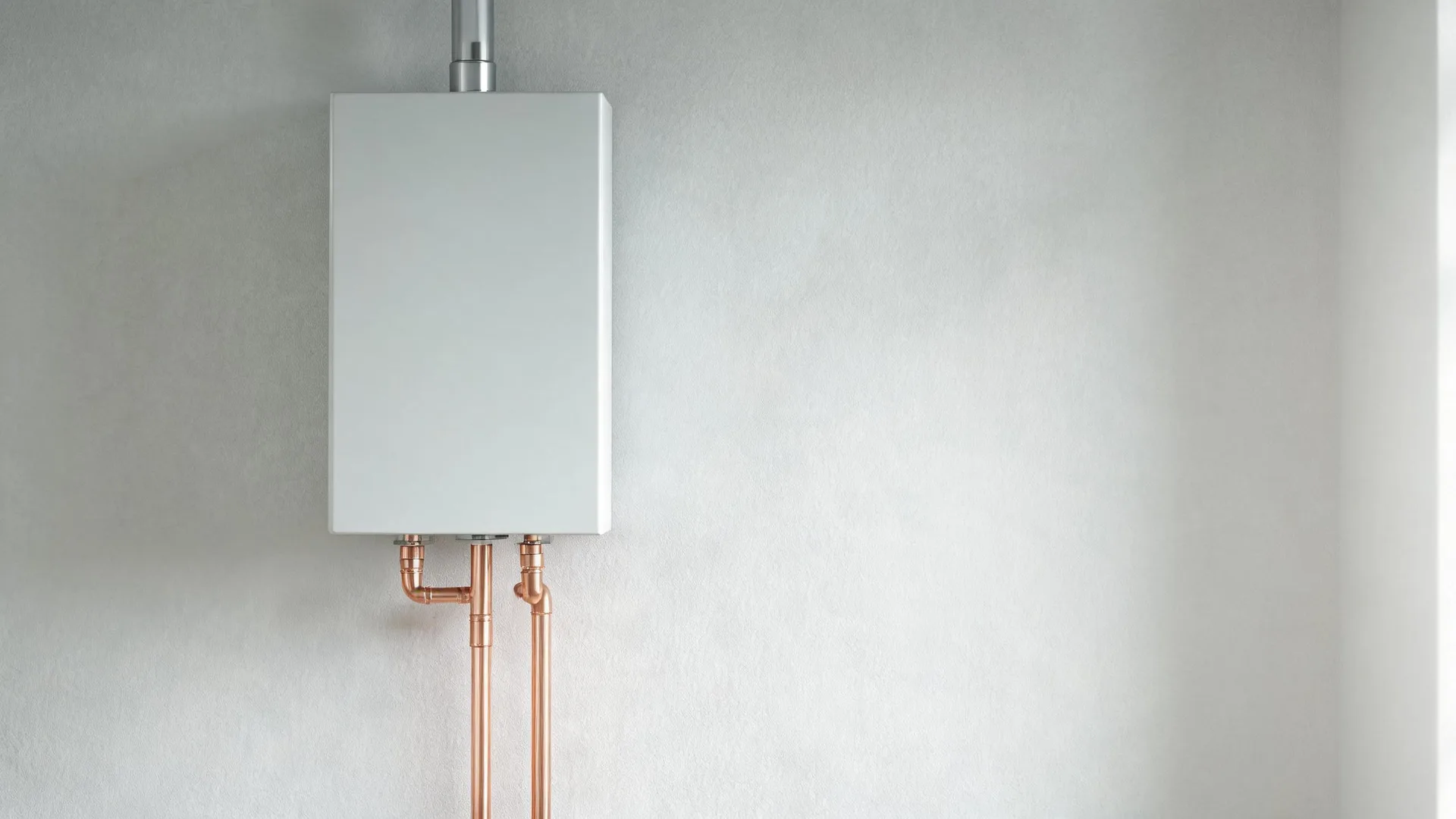
Bigger is not safer

An oversized boiler short cycles, switching on and off instead of running a long steady stretch. That wears the burner and the heat exchanger faster and leaves rooms swinging in temperature instead of holding steady. Sized right, the boiler runs longer at a lower fire, which is what keeps a house even and the equipment lasting.

The old boiler doesn't get left for someone else to deal with later. Whoever installs the new one disconnects it from the supply lines and the flue, drains whatever water or oil is still sitting in it, and hauls it out. A boiler that's been burning oil or propane for years often has buildup in the combustion chamber, so it tends to come apart in pieces rather than roll out whole. The scrap metal gets recycled. If the old unit was oil fired, the tank sometimes stays and sometimes goes, depending on whether the new boiler is set up to use it. Ask whoever quotes the job whether hauling away the old equipment is part of the work, since it isn't always assumed.

Installation day starts with the water and power shut off and the old piping opened up. The new boiler gets set and leveled, then the supply and return lines, the flue, and the gas or oil line all get connected to it. Controls and thermostats get wired in, and the system gets filled and bled of air before anything fires. Once it's running, a tech checks the burner, reads flue gas to confirm combustion is clean, and holds the temperature rise to see that it matches what the boiler is rated for. None of that can be rushed, since a boiler fired up without being purged and tested right will run rough or short cycle from day one. A good install ends with the tech walking the system, explaining the thermostat and showing where the shutoff valves are, not just packing up and leaving once it's warm.