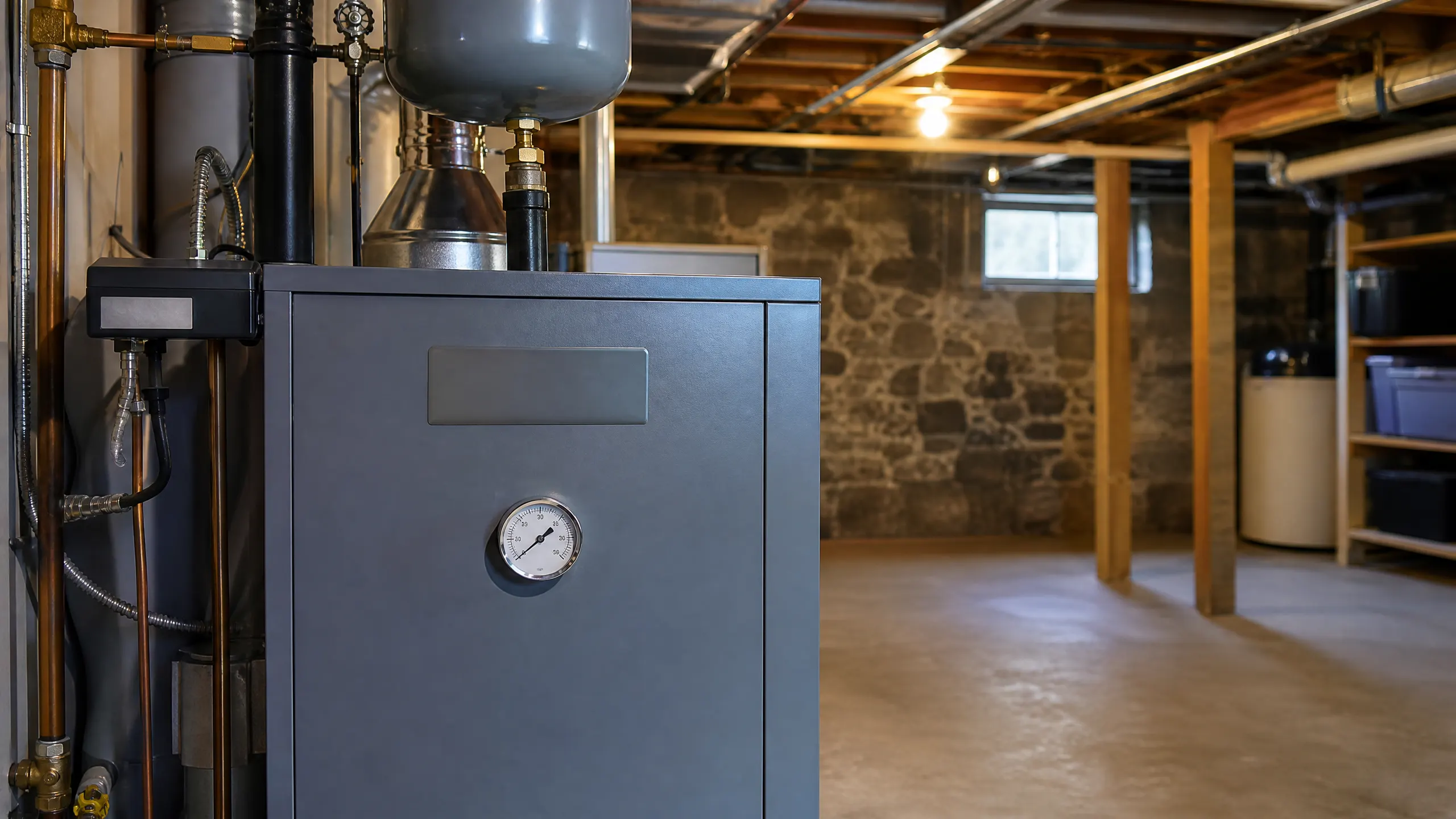




A gray boiler with a pressure gauge and copper pipes stands in an unfinished basement with stone walls and exposed ceiling joists.

Boiler Installation in Rutland, VT

Tell us about the job

Takes about a minute. No obligation.

New system or replacementBoilerRutland County, VT
Step 1 of 2

What ZIP code is the job in?

Rutland still has plenty of homes heating with oil, and that's the fuel to check if yours is one of them. Oil ran $26.53 per million Btu in Vermont in 2024, among the highest heating costs in the country. A boiler burning oil at that price makes efficiency a different kind of question than it is somewhere with cheap gas. Every point of efficiency you gain or lose shows up on the bill, not as an abstraction. If you're installing new, a contractor can tell you how the boiler you're looking at compares to what it's replacing, and what fuel options make sense for your house.

A boiler's rating on paper doesn't say how it will perform once it's piped into your system.

Ask how it's being sized for your house, not just what the nameplate claims.

Nine months of heat a year means almost no window to install without going cold

Heat runs September through May
Winter nights average 12°F
66 winter storms from 2015 to 2024

Most homes in Rutland County, 60.1%, heat with fuel oil or kerosene. If that's what you have now, staying with a boiler built for oil is usually the simpler path. The venting, the fuel line, the tank, all of it is already set up for that fuel. Switching to gas or electric means changing more than the boiler itself, since those other parts of the system would need to change too. A contractor can walk you through what either path involves, but if oil already runs your house, there's no rule that says you have to move off it to get a more efficient system.

Size the new boiler to the house you have, not the one it's replacing

Half the homes in Rutland County were built in 1969 or earlier. A boiler going into a house that old has to work with whatever piping and layout are already there, not some ideal setup. A contractor can size the new boiler to your house instead of just matching the one coming out.

Find a contractor
A man in a cap, dark shirt and tan work pants walks up porch steps toward a dark blue paneled front door, carrying a canvas tool bag, with a potted shrub beside the entry.

Sizing comes from a heat loss calculation, not the old boiler's rating

A contractor works out how much heat your house actually loses on a cold day, room by room, based on wall and window area and how the place is insulated. That number sizes the boiler. Matching the new one to whatever the last boiler was rated for just carries forward a guess someone else made, maybe decades ago.
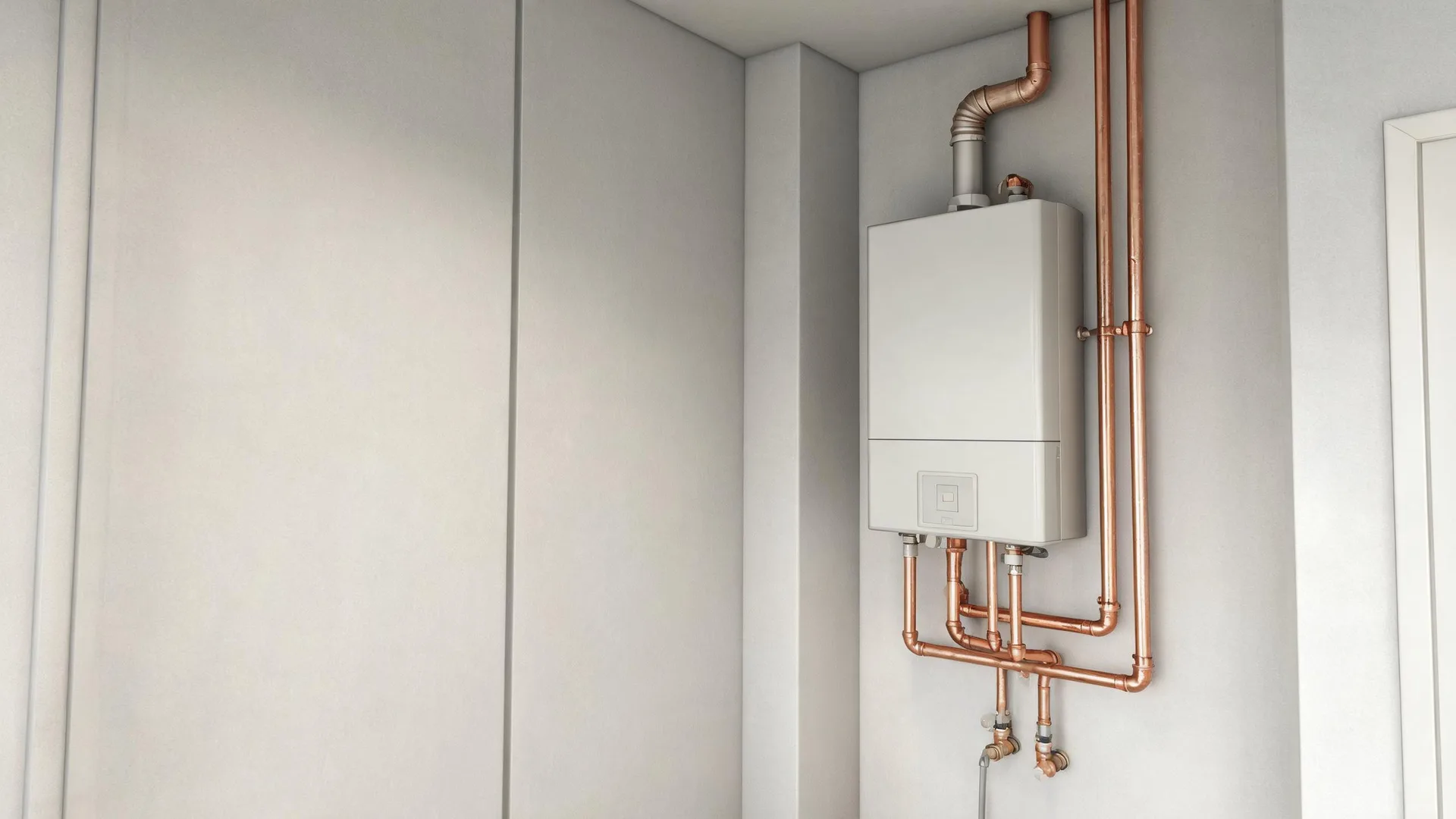
Oversizing causes its own kind of wear

A boiler that's too big for the house heats up fast, shuts off fast, then sits idle until the house cools enough to call for heat again. That start and stop cycle is harder on the burner and the heat exchanger than running steadily, and it tends to leave rooms swinging between too warm and too cool instead of holding steady.

The efficiency rating on a boiler, the AFUE number, tells you how much of the fuel it burns turns into heat for the house and how much goes out the flue. A higher rated boiler wastes less. That number comes from a lab test under set conditions, so it's a ceiling, not a promise. What the boiler actually delivers once it's running depends on how it's piped and vented, and whether the rest of the system lets it operate the way it was designed to. A high efficiency boiler connected into piping and venting built around an old low efficiency unit won't hit the number on its sticker. Ask whoever's installing it what's being done to let the boiler perform at its rating, not just what that rating is.

Installation starts with draining the old boiler and disconnecting it from the piping, the flue, and the fuel line. The new unit gets set, leveled, and connected to each of those in turn. Every joint gets checked, since a leak or a bad seal there causes problems long after the crew is gone. Once it's hooked up, the system gets filled, purged of air, and fired up. A tech will run it through a full cycle, checking water pressure, flue draft, and burner operation before calling it done. Expect the house to be without heat for part of the day while this happens, so cold weather makes timing matter more.