



A row of similar gray and white vinyl-sided houses behind a long white picket fence, with mown grass in the foreground and dense deciduous trees behind.

Boiler Installation in Barre, VT

Tell us about the job

Takes about a minute. No obligation.

New system or replacementBoilerWashington County, VT
Step 1 of 2

What ZIP code is the job in?

Fuel oil ran $26.53 per million Btu across Vermont homes in 2024. That price is the reason boiler efficiency matters more here than in places burning cheaper fuel. A new boiler that turns more of that oil into heat instead of exhaust keeps more of that cost out of your bill, year after year. An old boiler running at a lower efficiency is burning the same expensive oil to do less work. When you're comparing boilers for installation, the efficiency rating is worth weighing against the purchase price, since the fuel cost here makes that difference add up over the life of the system.

A boiler's price moves with its size, its venting and what it takes to connect to your existing pipes.

Matching the boiler to the house, not just swapping the old one for new, is what determines the bid.

Nine months of heat a year, down to 10 below zero

Heat runs September through May
Winter nights average 10°F
Climate zone 6A
Get it done before SeptemberHeat starts in September here. August is the month to have the new boiler in.

Half the homes in Washington County were built in 1973 or earlier. If yours is one of them, the boiler going in now has to match pipes and a layout that were likely sized for a different unit than what's on the market today. Old cast iron boilers were often oversized by habit, and the radiators or baseboards were plumbed to work with that output. Drop in a smaller, more efficient boiler without checking that match and it can struggle to push heat through the same lines. This is why a contractor needs to look at your actual pipes and radiators before pricing the job, not just the square footage of the house.

A new boiler here has to clear zone 6A's efficiency floor

Vermont's cold climate puts Washington County in zone 6A, and any gas-fired hot water boiler installed now has to reach at least 84 percent AFUE to meet that standard. That floor is already built into what manufacturers are selling. A federal tax credit is available for qualifying high-efficiency equipment, worth checking against the system you're considering.

Find a contractor

Sizing a boiler is a heat loss calculation, not a guess

A contractor works out how much heat your house loses on the coldest day, room by room, based on wall area, window area and how the place is laid out. That number, not the old boiler's rating and not the square footage alone, sets the size of the new one. Houses built the same size can still need different boilers depending on how they're built.
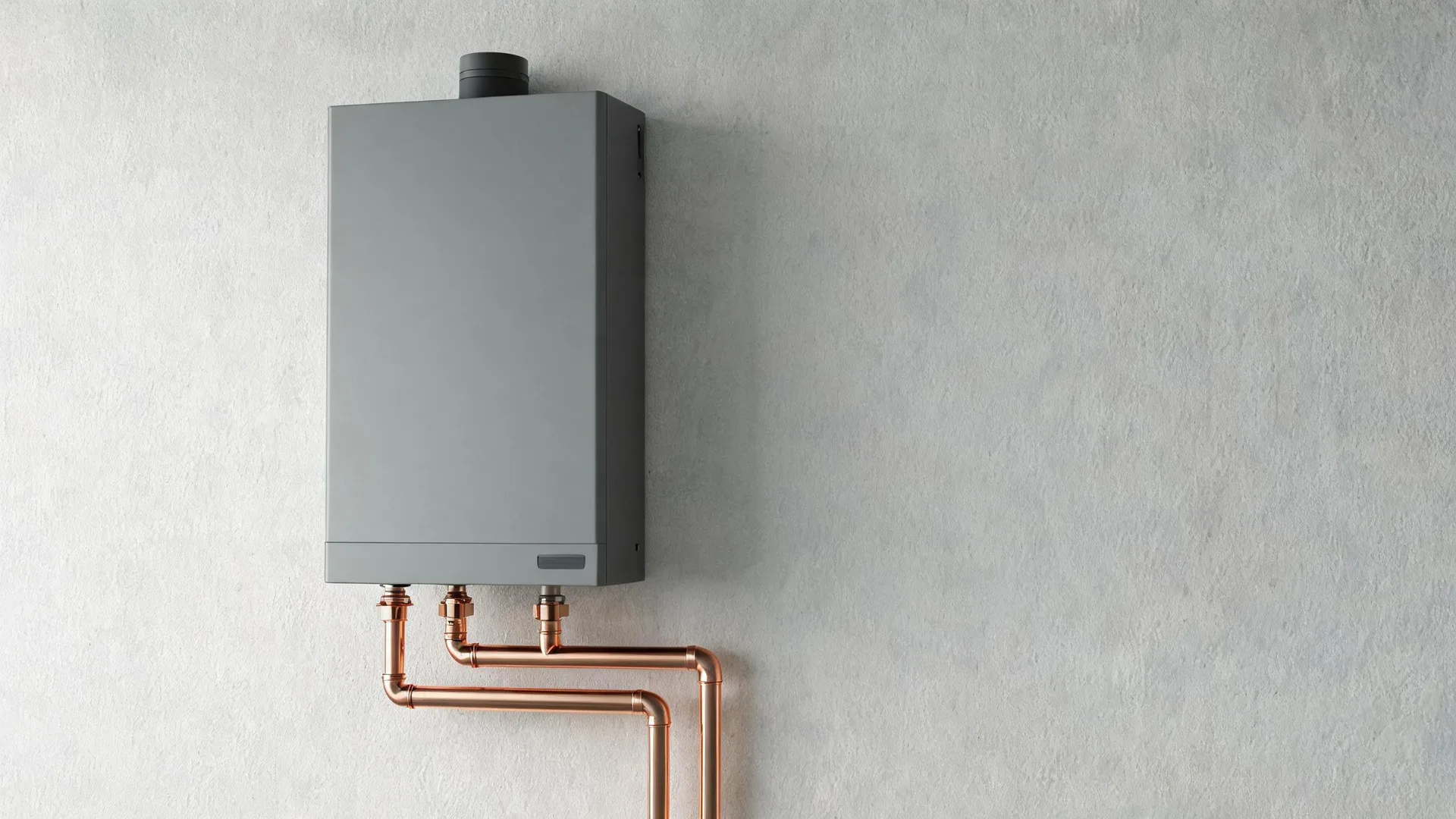
Oversized wastes fuel, undersized can't keep up

A boiler too big for the house cycles on and off fast, short runs that waste fuel and wear the burner and igniter harder than steady runs do. A boiler too small runs flat out on the coldest nights and still can't bring the house to temperature. The right size runs long, steady cycles and matches its output to what the radiators or baseboards can actually deliver.

Taking out the old boiler is its own job, separate from setting the new one in place. It has to be drained and disconnected from the supply and return lines, the flue, and the gas or oil line feeding it, then carried out, which on a cast iron unit takes some doing given the weight. If the old one ran on oil, the tank it drew from is a separate question. A tank staying in use gets checked over, and one coming out has to be drained and removed properly rather than left in a basement corner. Whatever pipe or venting connected to the old boiler but won't connect to the new one gets capped or removed, not just left hanging. None of this is the part of the job that determines what boiler you end up with, but it has to happen before the new one goes in, and it's worth asking a contractor how they handle it before the work starts.

Install day starts with the house cold, since the old boiler has to come out before the new one goes in. Once it's disconnected and cleared, the new boiler gets set in place and leveled, then the supply and return lines, the flue, and the gas or oil line all get connected fresh rather than just reused. A gas boiler needs its venting checked against the new unit's specs, since venting sized for the old boiler doesn't always suit the new one. The system gets filled, purged of air, and fired up, and the contractor checks the burner, the pressure, and how the heat moves through the radiators or baseboards before calling it done. Controls and thermostats get set last, once the boiler is actually running and holding temperature. A straightforward swap can wrap in a day, but anything involving new venting, rerouted pipe, or an oil tank change usually runs longer, and a contractor who's looked at the job beforehand should be able to tell you which kind of day you're in for.