





A gas furnace and sheet-metal air handler unit installed in an unfinished concrete basement.

Furnace Installation in Burlington, VT

Tell us about the job

Takes about a minute. No obligation.

New system or replacementFurnace or heatingChittenden County, VT
Step 1 of 2

What ZIP code is the job in?

Natural gas ran $16.61 per million Btu across Vermont homes in 2024. That price makes the furnace you pick matter more here than somewhere with cheaper gas. A furnace with a higher AFUE rating turns more of that gas into heat for your house instead of sending it out the flue. The lower the rating, the more of every bill goes out that flue with nothing to show for it. Worth asking any installer what AFUE rating they're quoting and why.

9 months
September through May, your furnace is on duty
12°F
the average winter night it heats against
55%
of homes here heat with gas, so most furnaces here burn gas
80% AFUE
the federal minimum any new unit must meet
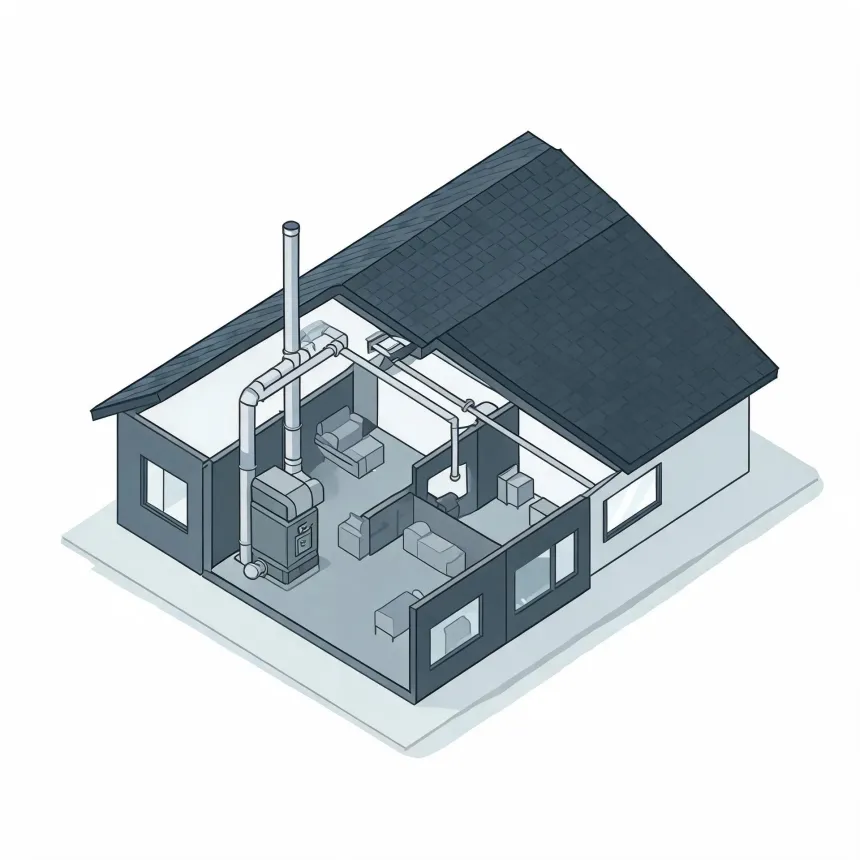
Isometric cutaway illustration of a single-story house showing interior rooms with furniture, a furnace unit connected to ducting and vertical flue pipes running through the roof.
Your furnace works hardest from November through March.

NOAA nClimDiv, 1991–2020 normals

Furnaces here start running in September.

Get yours installed in August and it's ready before the cold asks anything of it.

Winters here knock out power. Know how you'll stay warm when it does.

196 severe weather events from 2015 to 2024
21% of homes statewide lost power a day or more in 2024
124 damaging wind events from 2015 to 2024
Gas costs more hereAsk what AFUE rating the installer is quoting before you sign anything.

Gas furnaces heat a little over half the homes in Chittenden County. If your house already has a gas line run to it, replacing a gas furnace with another one is the straightforward path. The venting is already there, the gas line is sized for it, and an installer can match the new unit to what the old one was doing without reworking the house around it. Switching fuel types is a bigger job, with new lines or new electrical to run, so it's worth asking an installer what your house would need for that before you rule it out.

Any furnace installed here has to clear 80 percent AFUE

Chittenden County falls in climate zone 6A, with a long cold season. Furnaces made today have to hit at least 80 percent AFUE, a floor that holds until a jump to 95 percent arrives in a few years. A federal tax credit is available on qualifying high-efficiency equipment. Worth asking an installer which units you're eligible for before you decide.

Find a contractor
A man in a cap, dark long-sleeved shirt and brown work pants walks up porch steps toward a gray front door, carrying a worn canvas tool bag filled with hand tools.
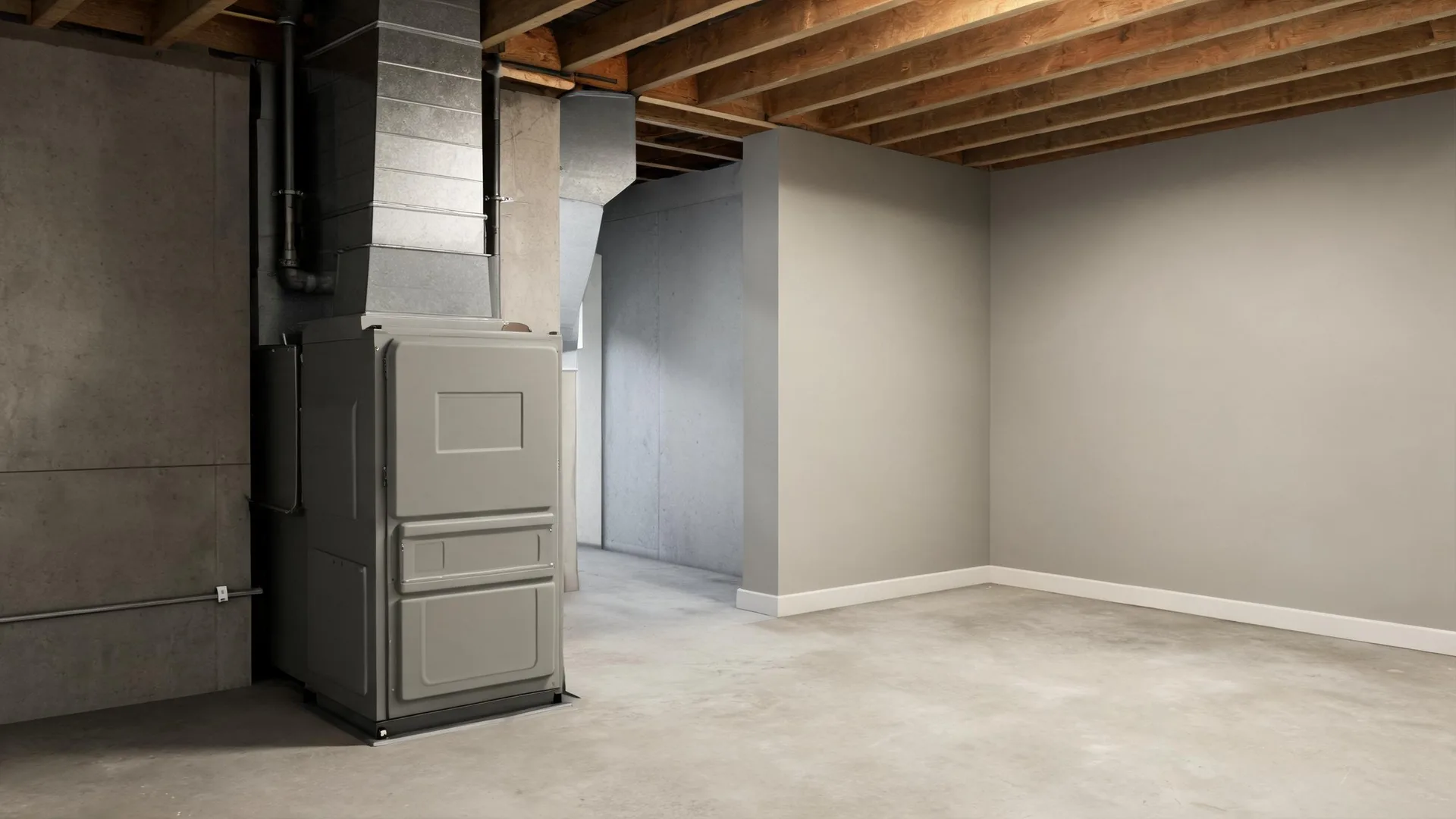
A gray high-efficiency gas furnace installed in an unfinished basement, surrounded by gas lines, a condensate drain, and sheet-metal ductwork.

Sized for this house, not the last one

A furnace that's too big for the house satisfies the thermostat fast and shuts off again before it's pulled the moisture out of the air or warmed the walls and furniture, not just the air near the vent. That short cycle wears the ignition system harder over the life of the unit, since the igniter and blower motor start up far more often than they would otherwise. A furnace that's too small runs long stretches without ever quite catching up on the coldest days, working hardest exactly when it's least able to keep pace. Getting the size right starts with a room-by-room heat loss calculation, which looks at the square footage, the windows, the insulation and the local design temperature, not just a rule of thumb based on the old unit. An installer who sizes it that way, instead of matching the new furnace to whatever was there before, is accounting for any work done to the house since that furnace went in.

Ask what's included besides the furnace

A quote built around the furnace alone can leave out the plenum work, the duct transitions, or a new thermostat if the old one isn't compatible. Ask for a written list of what's being replaced versus reused, so you're comparing full jobs against each other, not just the equipment.

Ask who pulls the permit and does the inspection

A furnace installation should be permitted and inspected by the local authority, not just completed and left. Ask whether the installer pulls that permit as part of the job or expects you to arrange it. An installer who skips this step is cutting a corner that doesn't show up until something goes wrong.

An unfinished basement featuring a grey forced-air furnace with metal ductwork, concrete block walls, exposed wooden joists, and a single hanging bare bulb.

A high-efficiency gas furnace would save about $130 a year to run in Chittenden County compared with a gas furnace.

  • A high-efficiency gas furnace$610 a year
  • A gas furnace$740 a year

Estimates for a typical Chittenden County home, from EIA household energy data, Vermont fuel prices and NOAA climate normals. Your home will differ.

The old furnace doesn't just get unplugged and left. Disconnecting it means capping the gas line, pulling it free of the supply and return plenums, and taking it out the way it came in, which sometimes means through a window or a cut wall if it was built into the house around it. The flue it used gets dealt with too, either capped or resized, since a flue built for one furnace isn't automatically right for the next one. Whoever hauls it away should be handling the refrigerant and any residue in the heat exchanger the way the law requires, not just scrapping it. If the old unit is still under warranty, ask the installer whether that transfers or whether removing it ends it. None of this is optional work tacked onto the job. It's part of what a furnace installation actually is.