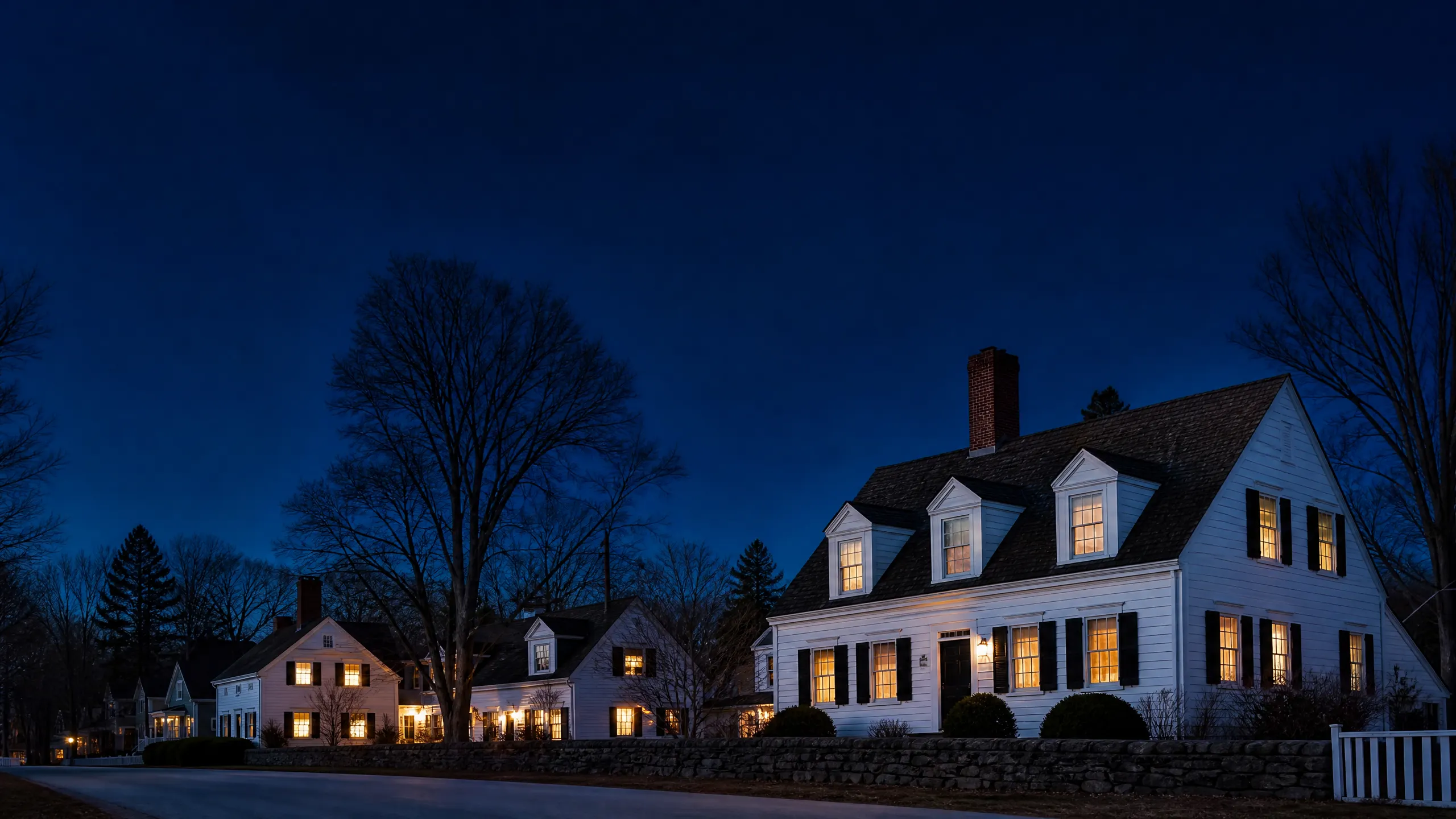






A row of illuminated white colonial houses photographed at twilight along a tree-lined road with a stone wall in the foreground.

Furnace Installation in Newbury, VT

Tell us about the job

Takes about a minute. No obligation.

New system or replacementFurnace or heatingOrange County, VT
Step 1 of 2

What ZIP code is the job in?

A lot of homes up this way still run on fuel oil, and that cost adds up fast. Vermont households paid $26.53 per million Btu for fuel oil in 2024. That number does not move much no matter how well your old furnace runs, but how much fuel it burns to heat your house does. An older unit loses more of that oil as wasted heat up the flue instead of into your rooms. A new furnace sized right for your house gets more of what you pay for into the air you actually breathe. Over a Newbury winter, that difference is on every bill you open.

9 months
September through May, your furnace is on duty
11°F
the average winter night it heats against
80% AFUE
the federal minimum any new unit must meet
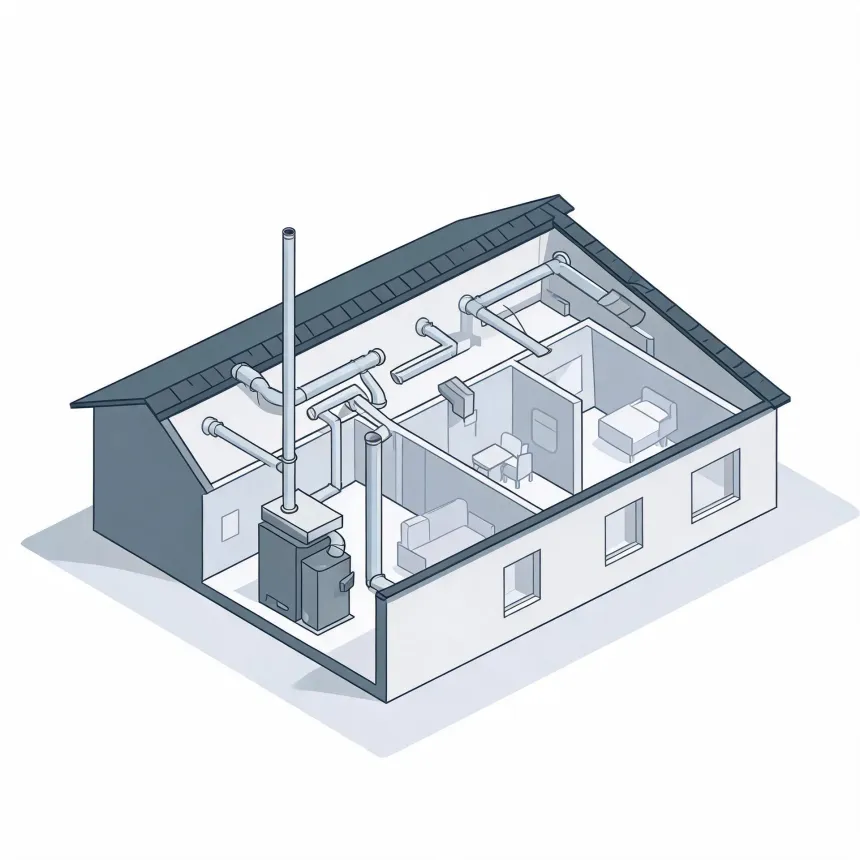
Isometric line illustration of a single-story house cutaway showing interior rooms with furniture, ductwork or piping running along the ceiling, and a boxy furnace unit with a tall vertical flue pipe.
Your furnace works hardest from November through March.

NOAA nClimDiv, 1991–2020 normals

Fuel oil or kerosene heats 39.2% of homes in Orange County, more than any other fuel.

If oil heats your Newbury home now, a new oil furnace built for your house is usually the straightforward call.

A furnace sized for this house is all this county needs

Half the homes here were built by 1978
Heat runs September through May
Winter nights average 11°F
Nine months of heat a yearOvernight lows here average 11°F in January, and that furnace runs from September through May.

If you're replacing an oil furnace, ask the contractor to run a load calculation on your house rather than matching the old unit's size. A furnace too big for the space cycles on and off more than it should, and every startup sends a slug of unburned fuel up the flue before the burner settles in. One sized to what your house actually loses on a cold day runs longer, steadier stretches and gets more of that oil into your rooms instead of outside. That calculation also catches homes where the old furnace was oversized from the start, which is common when a system went in without one.

A correctly sized furnace is the whole job here

Orange County sees its share of winter storms and power outages, but none of that calls for a bigger or higher-end furnace. The size that matches your house is still the right size. Get that number right and the rest of this is straightforward.

Find a contractor
A man in a gray shirt and tan pants carries a worn canvas tool bag up porch steps toward a dark blue paneled front door, with a potted shrub beside the entry.
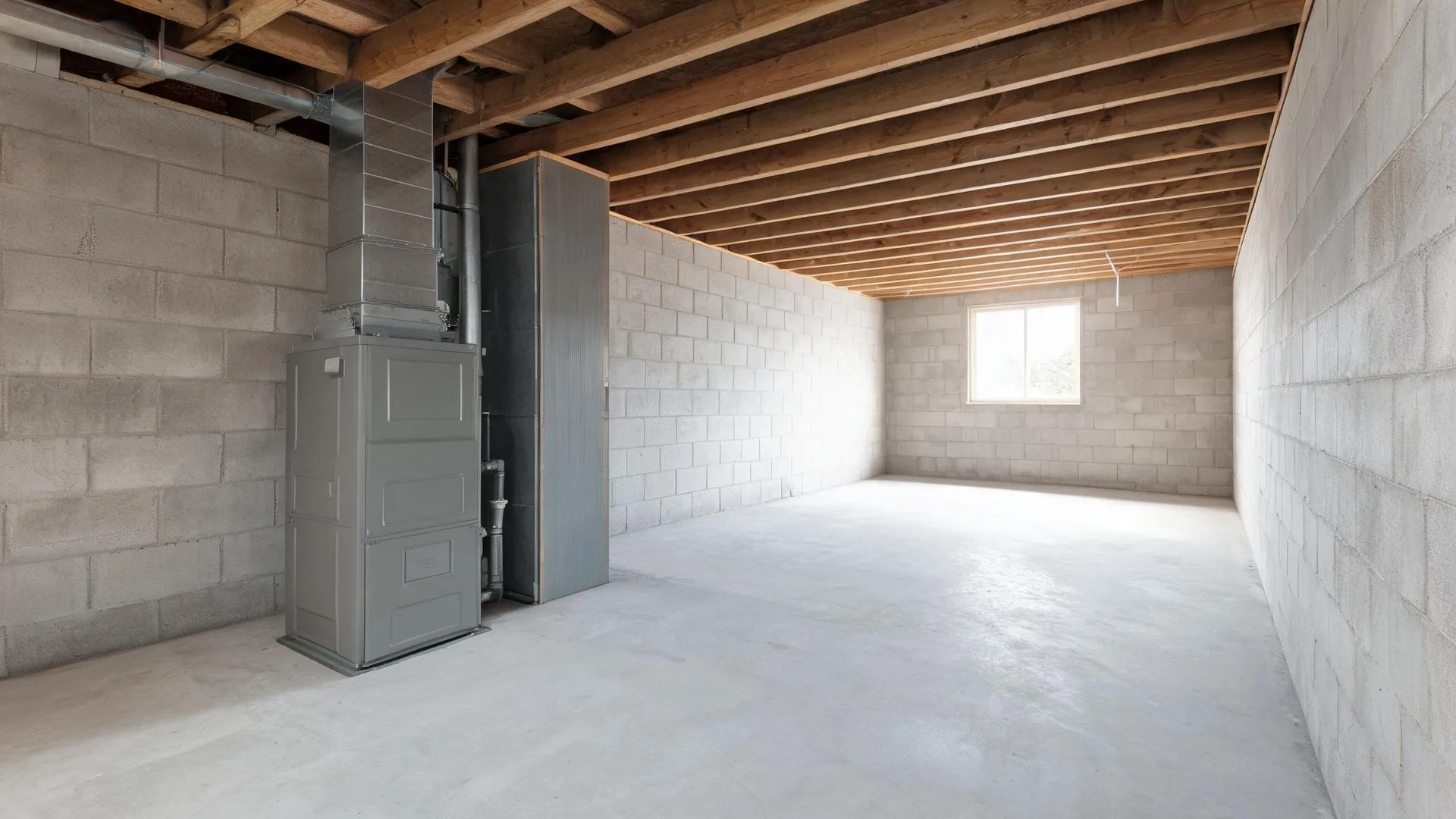
A gray residential gas furnace installed in an unfinished basement, connected to sheet-metal ductwork and PVC pipes.

Put it in before September asks for it

Heat starts here in September and runs through May, nine months of the year. August is the month before that starts, and it is the easier time to put in a furnace. Nobody is cold yet, so there is no pressure to finish fast. A furnace put in while the house does not need it yet gets set up and checked without anyone waiting on heat. Wait until the first cold night and that same job happens with the house already asking for it.

The furnace is one part of the bill

Venting changes depending on what you install. A furnace that burns oil needs a flue to the outside, and if the old one is being reused, it has to be checked against the new unit rather than assumed to still fit. Ductwork matters too. New ducts, or changes to duct size or layout, add work beyond the furnace itself. None of that is optional if the old setup does not match what the new furnace needs.
The cheapest furnace is not always the cheapest job

A furnace that is hard to get to costs more to install than one sitting in open space, no matter what the unit itself costs. A tight basement, an odd angle, ductwork that has to be worked around, all of that adds labor. Homes buying the same furnace can still pay different amounts to have it put in, because the space around it is different.

Oil furnaces carry an AFUE rating, and it tells you what share of the fuel actually becomes heat in your rooms instead of going out the flue. A unit rated higher turns more of what you buy into warmth, every time it runs. That rating is measured in a lab, though, not in your basement. A furnace sized wrong for the house, vented poorly, or paired with ductwork that leaks never performs to its label, no matter how high that number is. The rating tells you what the equipment can do under ideal conditions. Getting the installation right is what lets your furnace actually do it.

Installation day starts with the old furnace coming out, and the oil line and flue get shut off before anything new goes in. The contractor sets the new furnace on its pad, connects it to the existing ductwork or trunk line, and runs new flue pipe if the old one doesn't match what the new unit needs. The oil line gets connected and purged of air before the burner ever fires. Once it's wired in and the thermostat is hooked up, the contractor runs the furnace through a full cycle, checking the flame, the draft, and the temperature rise across the heat exchanger. That last check matters more than it sounds. A furnace can be installed correctly in every other way and still run wrong if the airflow across it is off. Before anyone leaves, the contractor should walk the house with you and point out the shutoff, the filter location, and anything about that specific furnace worth knowing.