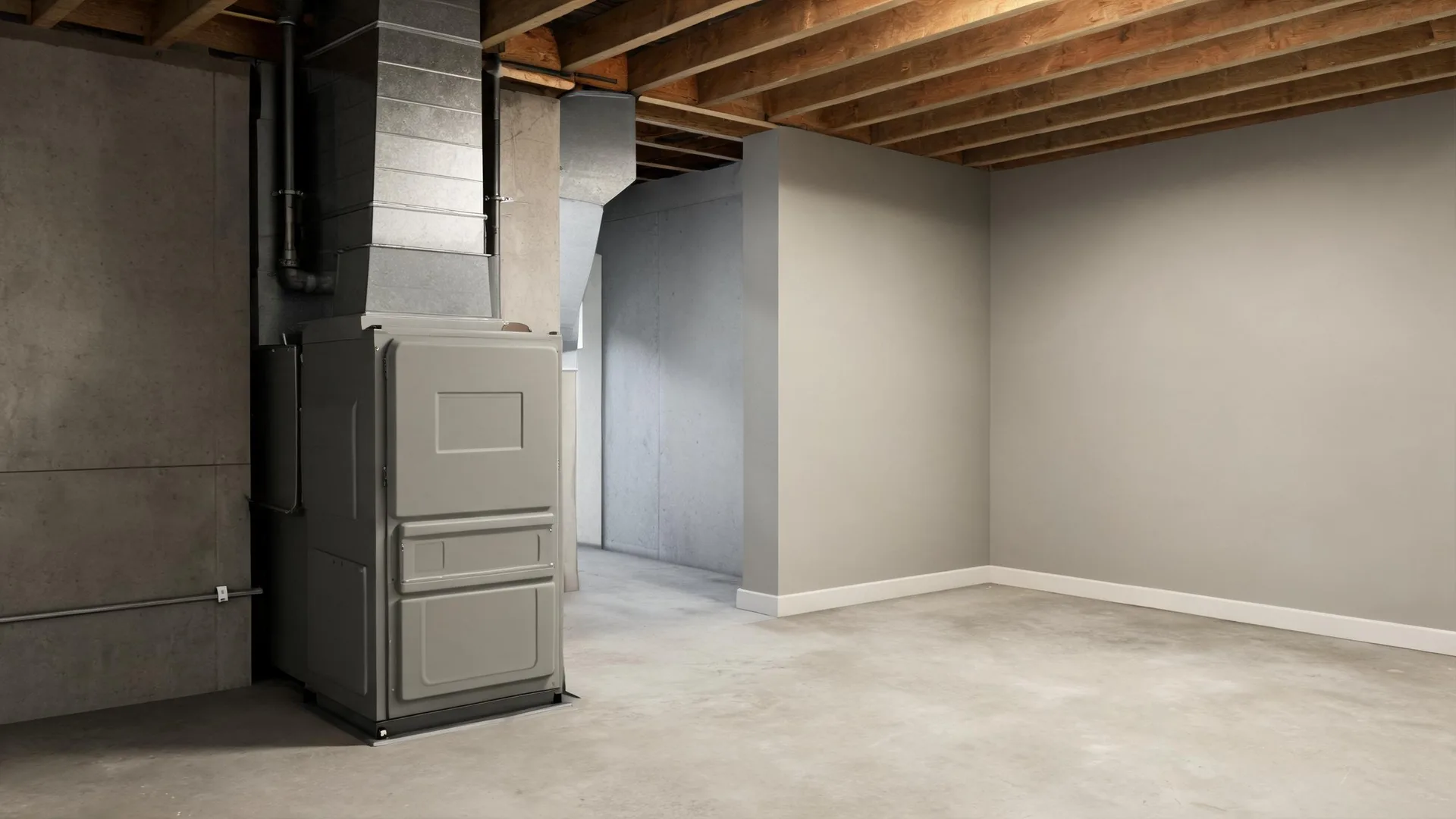
Oil runs $26.53 per million Btu here
Vermont burned through fuel oil at that rate in 2024. A furnace that wastes heat through a cracked heat exchanger or a short-cycling burner is wasting money at that rate, every month it runs.
Takes about a minute. No obligation.
Vermont burned through fuel oil at that rate in 2024. A furnace that wastes heat through a cracked heat exchanger or a short-cycling burner is wasting money at that rate, every month it runs.
Installation is the one chance to change what this costs to run. The efficiency rating on the unit going in now is the number you will live with all winter, not the one on the furnace coming out.
NOAA nClimDiv, 1991–2020 normals
West Burke loses power with the rest of Caledonia County, 44 times to wind and 38 to winter storms in the past ten years.
A furnace that needs electricity to run its igniter and blower will not start without it, no matter how new it is.



Almost half the homes in Caledonia County heat with fuel oil, more than any other fuel. Bottled or LP gas comes next at 23%. Utility gas barely reaches this county, at 1.2%, so a gas furnace usually means a propane tank on the property, not a line from the street. If the house already has an oil tank and oil lines, replacing the furnace with another oil-fired unit is the straightforward path. Switching fuels means new tankage or new gas service, and that's a separate decision from the furnace itself.
Half the homes in Caledonia County were built in 1973 or earlier. An older house can have ductwork or venting sized for a furnace that ran differently than what's on the market now. A new furnace has to work with what's already there, or the installer has to account for the mismatch before it goes in.
Find a contractorNine months of heat a year is most of the calendar. Add the cold itself. Overnight lows here average 9°F across December, January and February. That means the burner fires longer and more often, all winter, to hold a temperature against that kind of draw. A furnace sized wrong for the house, too big or too small, feels that gap every one of those nine months. The one going in now has to carry that load for years.
A contractor works out the right size by going room to room. Wall area, window area, insulation, ceiling height, how the house is laid out all factor in. What's already installed doesn't. A furnace oversized for the house that replaced it will still be oversized, and the new one needs its own number, not a copy of the last one.
An oversized furnace heats the house fast, shuts off, then starts again soon after. It overshoots the thermostat before the rooms and ducts can carry the heat out evenly. That short run time means the heat exchanger goes through more hot-cold cycles over a season. The air at the vents swings hotter and colder than it would with longer, steadier cycles.
Ask every contractor for the AFUE rating on the furnace they're quoting, not just the cheapest bid. That number tells you how much of the fuel burned turns into heat in the house instead of going out the flue. Ask whether the size they're proposing came from a heat loss calculation or from matching the old furnace. Ask what else is included beyond the furnace itself, new venting, a new thermostat, changes to the ductwork if the old setup doesn't match what the new unit needs. Ask about the warranty on the heat exchanger, since that's the part most likely to fail early if the furnace is wrong for the house, and the most expensive to replace. Quotes that name the same size furnace can still describe very different installs underneath it.
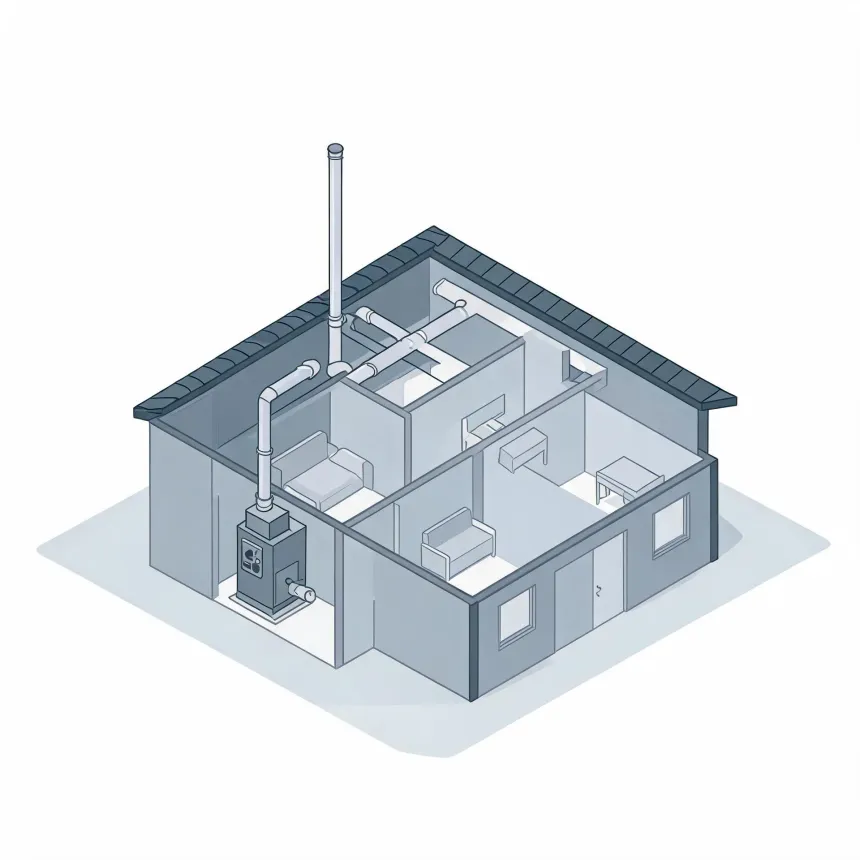
Installation day starts with the old furnace coming out, along with whatever venting or ductwork the new unit doesn't share with it. The installer sets the new furnace, connects the supply and return ducts, runs the gas or oil line to it, and wires it in. Venting gets checked or replaced to match what the new furnace actually needs, since a furnace with a different efficiency rating often vents differently than the one it's replacing. Once it's connected, the installer fires it up and checks the burner flame, the temperature rise across the heat exchanger, and the airflow at the ducts against what the manufacturer specifies. That last check matters as much as anything done earlier. A furnace can be sized right and still run wrong if the airflow or gas pressure isn't set to match it.