





An unfinished basement interior showing a gray furnace unit beneath a bare incandescent bulb, surrounded by exposed joists, concrete walls, cardboard boxes, and utility pipes.

Furnace Installation in Woodstock, VT

Tell us about the job

Takes about a minute. No obligation.

New system or replacementFurnace or heatingWindsor County, VT
Step 1 of 2

What ZIP code is the job in?

Some furnaces here run on fuel oil, and oil ran $26.53 per million Btu in Vermont in 2024. That is a real cost showing up on every tank fill, not a one-time price at installation. A furnace that wastes less heat per gallon costs less to run all winter here. This is worth asking about when you compare models, not just the price of the unit itself.

9 months
September through May, your furnace is on duty
12°F
the average winter night it heats against
80% AFUE
the federal minimum any new unit must meet
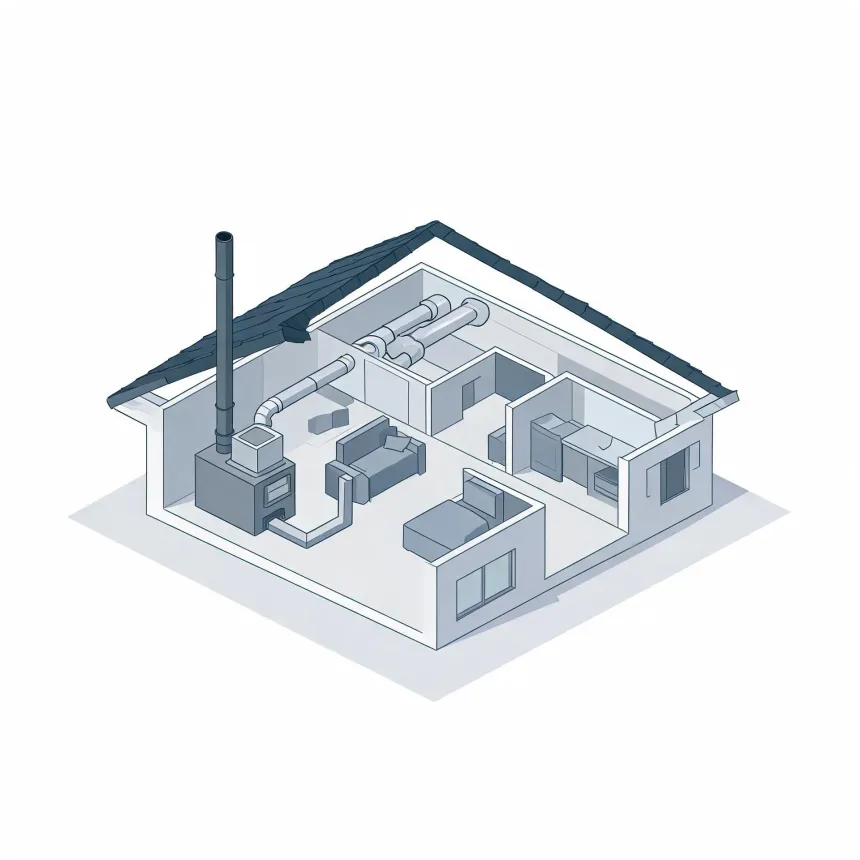
Isometric line illustration of a cutaway single-story house showing interior rooms with furniture, a furnace unit with a tall flue pipe, and connected ductwork running under the pitched roof.
Your furnace works hardest from November through March.

NOAA nClimDiv, 1991–2020 normals

A furnace's efficiency rating doesn't tell you how it was sized for the house.

Ask the contractor to size it to the house itself, not to the unit it's replacing.

Weather like this doesn't change the furnace you need

96 severe weather events from 2015 to 2024
21% of homes statewide lost power a day or more in 2024
70 damaging wind events from 2015 to 2024

Half the homes in Windsor County were built in 1973 or earlier. A furnace going into a house that age isn't going into the same shell as new construction. Old windows, old framing, additions put on over the years, all of it changes how heat moves through the place. A contractor sizing your furnace needs to account for the house you actually have, not a standard box. That's why a load calculation matters more here than it would in a neighborhood built last year. Get it wrong and you end up with a furnace that short-cycles or one that runs long and still can't keep up.

Have it in by September, not in the middle of your first cold snap

Heat here runs September through May. August is the month before that starts, and the last stretch of good weather to get a furnace swapped out on your schedule. Wait until the first cold morning and you're choosing whatever unit can go in fastest, not the one sized right for your house.

Find a contractor
A man in a dark long-sleeve shirt and tan work pants, seen from behind, climbs wooden porch steps toward a navy front door while carrying a canvas tool tote, with a potted flowering plant beside the entry.
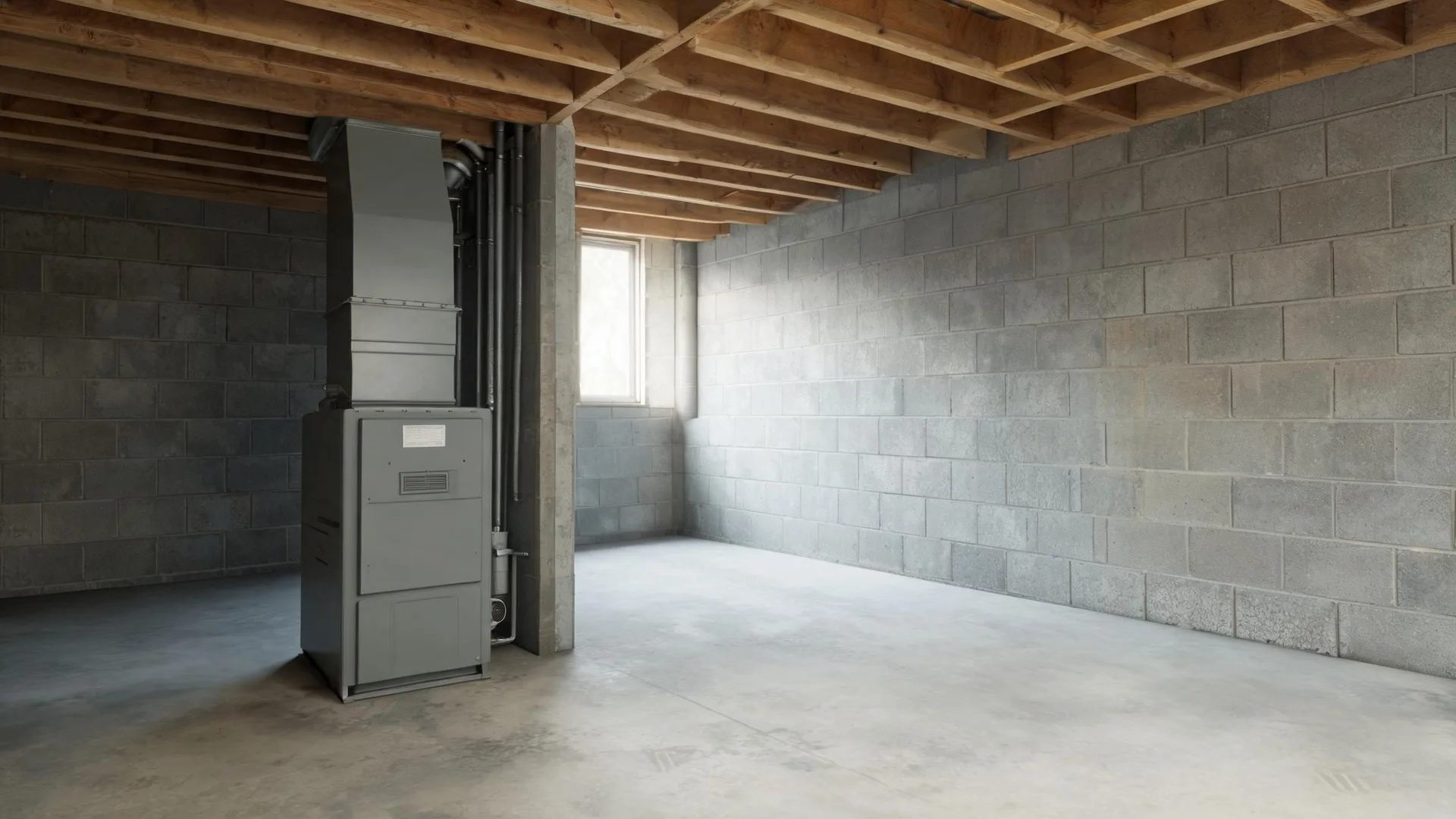
A gray high-efficiency gas furnace installed in an unfinished basement, surrounded by gas lines, a condensate drain, and sheet-metal ductwork.

Nine months of heat, and nights near 12 below

Nine months of heat a year, and overnight lows averaging 12°F through December, January and February. A furnace here isn't cycling on for an occasional cold snap. It's running long hours, night after night, most of the year. That kind of use adds up on the parts that do the work, the igniter, the blower motor, the heat exchanger. A unit sized to the house handles that load for years without strain. One sized wrong, even slightly, shows the wear sooner.

The ductwork decides more than the furnace does

If the ducts aren't sized to move the air a new furnace puts out, the installer has to rework trunk lines or add returns before the unit even matters. A furnace dropped onto ductwork built for a smaller or bigger system never runs right, no matter how good it is.
Venting changes the job, not just the price

A high-efficiency furnace vents through PVC pipe out a sidewall. A standard-efficiency one vents through metal flue into a chimney. Switching from one type to the other means new venting, not a straight swap, and that's labor the homeowner should expect to hear about before work starts.

The old furnace doesn't just get unplugged and hauled off. A gas or oil unit has fuel lines and venting tied into it, and those get disconnected and capped properly before the new one goes in. If it's oil, the old tank gets checked too, since a new furnace doesn't mean a new tank unless that's part of the job. The contractor should also walk you through what's being removed and how, especially if the old system used a chimney liner the new one won't need. None of this is the hard part of the install, but skipped steps here show up later as a safety problem, not a performance one.

Install day starts before anyone touches the old furnace. The contractor shuts off gas or power to the unit, confirms it's cold, and clears the area so there's room to work. Taking out the old furnace usually comes first, then any duct or venting changes get done before the new unit goes in. Once it's in place, the gas line or oil line connects, venting gets run and sealed, and the thermostat wiring gets hooked up. Then comes startup. Gas pressure or oil nozzle gets checked, airflow across the heat exchanger gets checked, and the system runs through a full cycle before anyone calls it done. A good installer walks you through the thermostat and the shutoff before they leave, not after you call with a question.