Oil runs expensive in Vermont
Fuel oil cost Vermont homes $26.53 per million Btu in 2024. If your furnace runs on oil, that price sits behind every gallon the delivery truck drops off.
Takes about a minute. No obligation.
Fuel oil cost Vermont homes $26.53 per million Btu in 2024. If your furnace runs on oil, that price sits behind every gallon the delivery truck drops off.
A furnace that wastes less fuel burning at that price saves you more here than it would somewhere oil runs cheap. Ask what AFUE rating a new furnace carries before you pick one.
NOAA nClimDiv, 1991–2020 normals
Furnaces in Rutland County run from September through May, nine months of the year.
A furnace built for this county has to handle nine months of work, not a mild season here and there.



Heat starts here in September, so August is the month to get a new furnace in while the old one still runs. Nobody wants to be picking a furnace with the house already cold. Installing before the season starts also means there's time to size the job right and order the unit that fits, rather than taking whatever's on hand because the old one quit. Once homes here start running heat in September, that furnace stays on through May, so it's worth having the right one in place before it has to work.
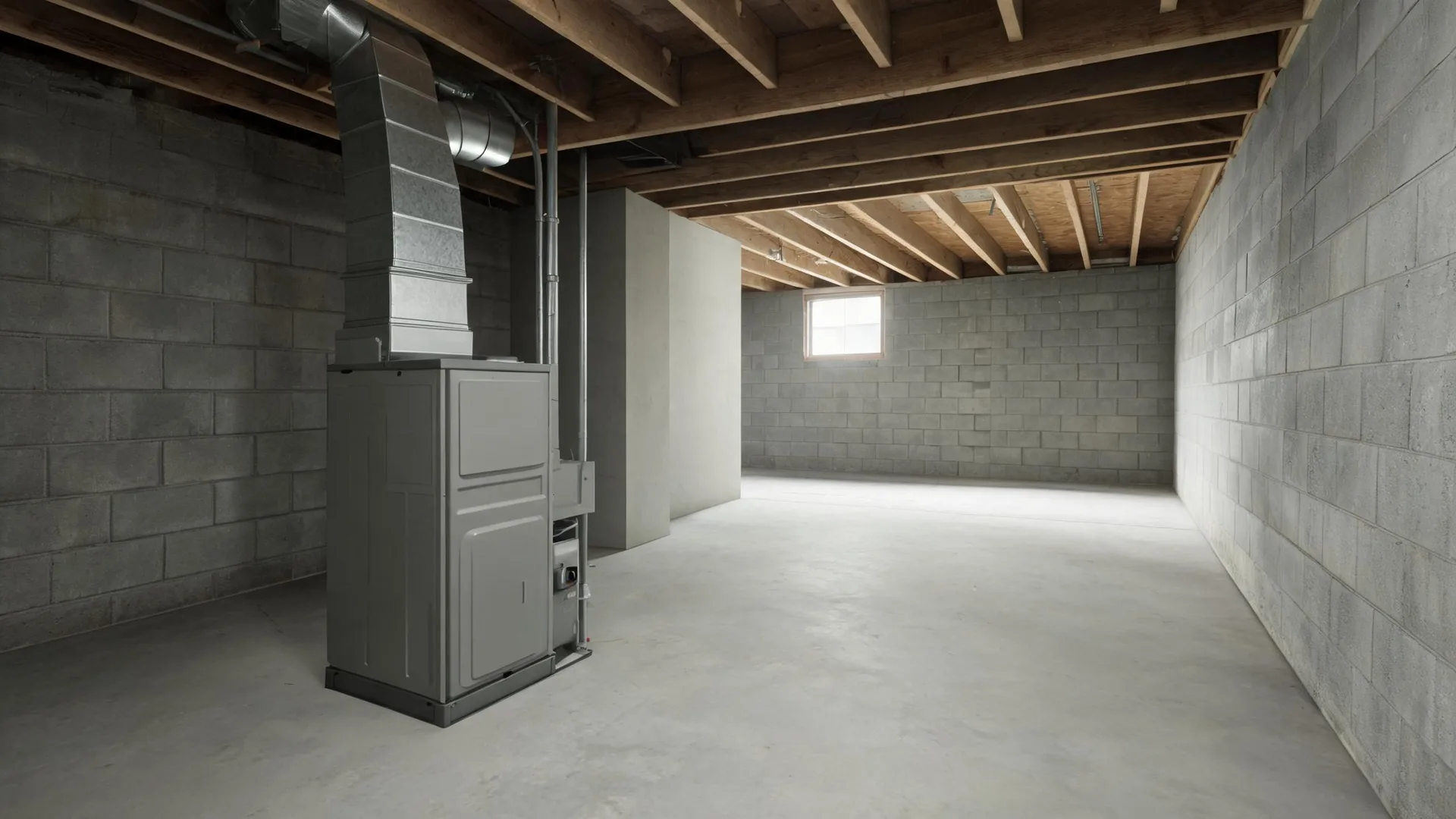
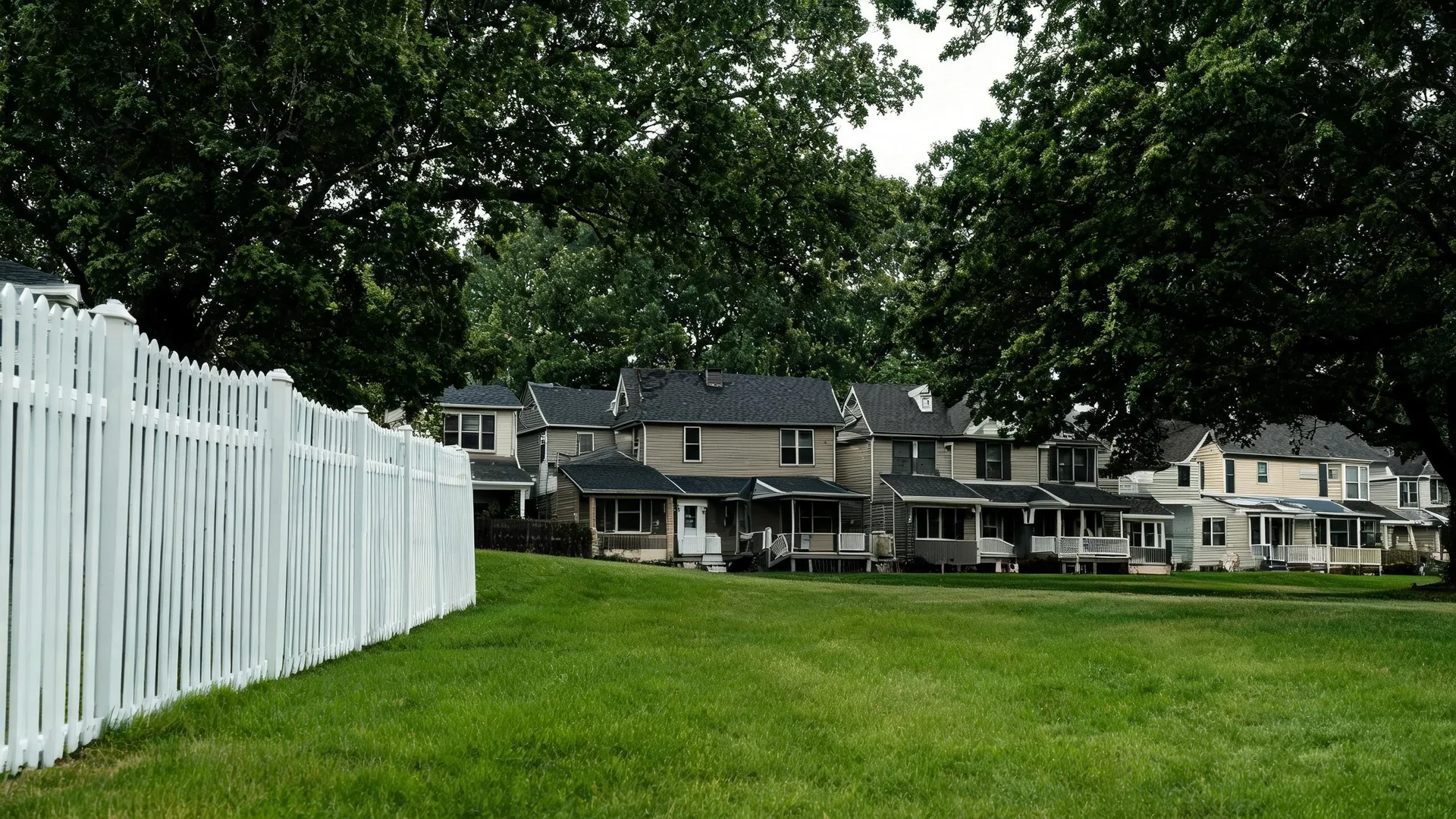
Half the homes in Rutland County were built in 1969 or earlier. A furnace going into a house that age has to match what the house actually needs, not a generic size pulled off a chart. That means a load calculation on the house you have, not the house next door.
Find a contractorOvernight lows in Rutland County average 12°F through December, January and February. A furnace sized for nine months of running also has to cover those nights, not just the mild stretches in September and May. Undersized units run flat out when it gets that cold, and hours of running flat out is what wears a furnace down early. Have the contractor size the unit for the coldest nights this county sees, not the average day.
A furnace warranty usually splits into parts and labor, and they often run for different lengths of time. Some installers only honor the full warranty if they did the install and filed the registration. Ask whether the labor warranty comes from the manufacturer or from the contractor, because those are backed by different people and that matters when something fails.
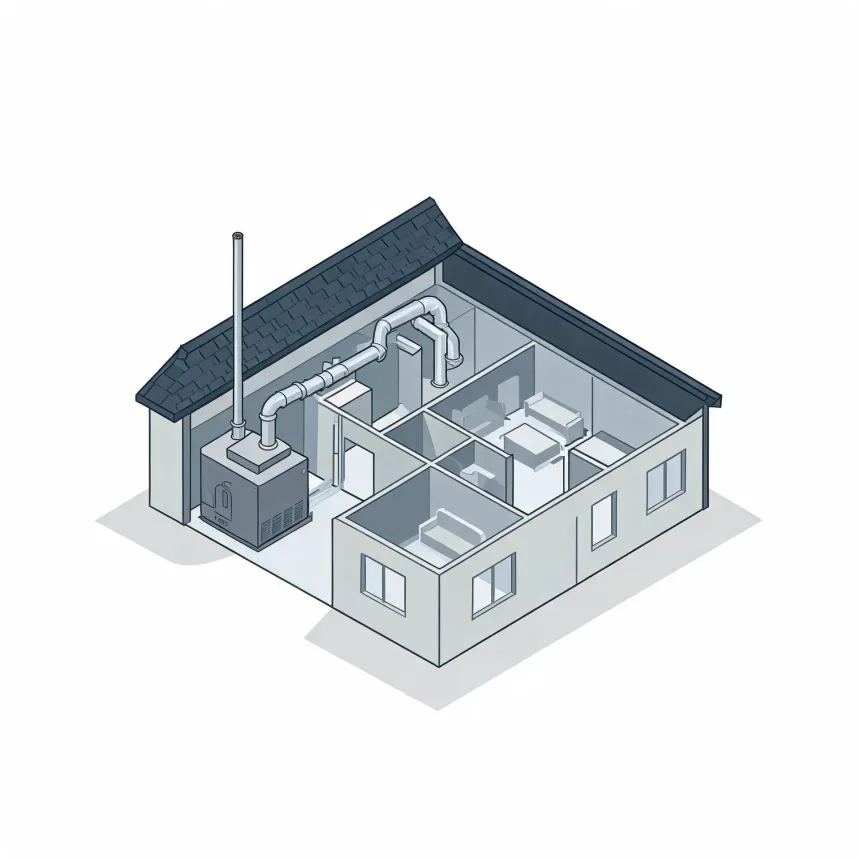
A furnace can be sized right and still heat poorly if the ducts feeding it are too small, too leaky, or laid out wrong for the new unit. A contractor who looks at the duct system before quoting is pricing the job in front of them. One who quotes off the old furnace's size alone is guessing.
A load calculation looks at the walls, the windows, the ceiling height and how much of the house needs to be heated, then works out how much heat has to be replaced on the coldest day to keep it comfortable. Skip that step and a contractor is just guessing at a number. Too big and the furnace short cycles, kicking on, heating the place fast, and shutting off again before it runs long enough to warm evenly or wring the moisture out of the air. Too small and it runs constantly on the cold nights and still can't keep up, which pushes the heat exchanger harder than it was built for. Either way the wear shows up early, not at the end of the furnace's life. The right size isn't the biggest unit that fits the basement. It's the one matched to the heat loss of the house it's going into.
Install day starts with the old furnace coming out. That's when a lot of jobs change shape, because what's behind it isn't always what the quote assumed. The gas line gets checked for the right size and a sound shutoff, not just reused because it was there. Venting changes almost every time. A high efficiency furnace vents through PVC pipe out a sidewall or up through the roof, not up the old metal flue, so that means new pipe and a new termination point cut in. The ductwork gets tied into the new unit's plenum, and any take-off that was starving a room gets a look while it's open. Once the furnace is set, leveled and connected, the contractor fires it up and checks gas pressure, checks temperature rise across the heat exchanger, and checks that every room is actually getting air before calling it done.