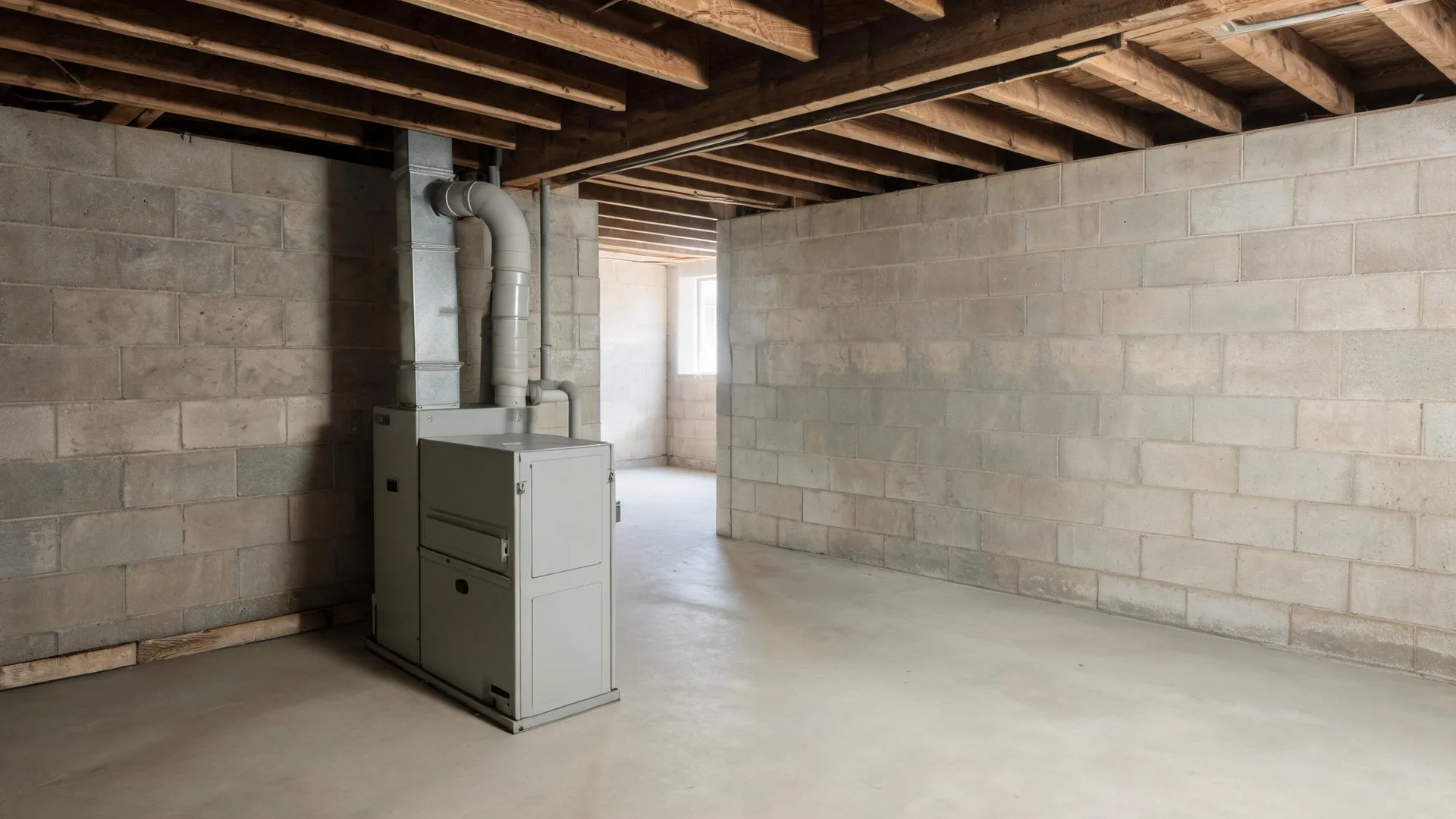
Oil runs expensive in Vermont
Fuel oil cost Vermont homes $26.53 per million Btu in 2024. If your furnace runs on oil, that cost lands on every gallon the burner uses all winter.
Takes about a minute. No obligation.
Fuel oil cost Vermont homes $26.53 per million Btu in 2024. If your furnace runs on oil, that cost lands on every gallon the burner uses all winter.
At that price per Btu, a furnace that wastes less fuel getting heat into the house matters more in Vermont than somewhere oil runs cheap. Ask what efficiency rating any furnace you're considering carries, and compare it against what you have now.
NOAA nClimDiv, 1991–2020 normals
Furnaces in Addison County run September through May, nine months of the year.
A furnace installed here needs to handle nine months of runtime a year, not a couple cold snaps.




Half the homes in Addison County were built in 1977 or earlier, half in 1977 or later. That split doesn't point to any one furnace size or efficiency tier. What your house needs comes down to its square footage, its windows, how it's insulated, not the year it went up. A load calculation on your house will tell a contractor what size furnace fits. For a straight replacement, matching the output of the system you have now is usually the right call unless something about your house has changed since it was installed.
Power costs more here, so an efficient system pays you back on every bill.
Find a contractor
The old furnace does not get sold or reused. Once it's disconnected, a contractor hauls it out, and scrap is where it ends up, the heat exchanger and cabinet broken down for metal. Nothing inside an old furnace is worth rebuilding into another one. If it ran on oil, the line gets capped, and the old tank is worth asking about too, since a tank sitting unused still needs to be drained and dealt with, not just left in the basement. If the old furnace shared a chimney with a water heater, that chimney gets looked at once the furnace stops using it, because a flue sized for more than one appliance doesn't always draft right with less pulling through it.
Furnaces are sized by how much heat they put out, not by the price tag or the cabinet size. Furnaces that look alike on a showroom floor can carry very different output ratings. Get that number in writing and have it checked against a load calculation for your house, not matched by guess against the furnace coming out.
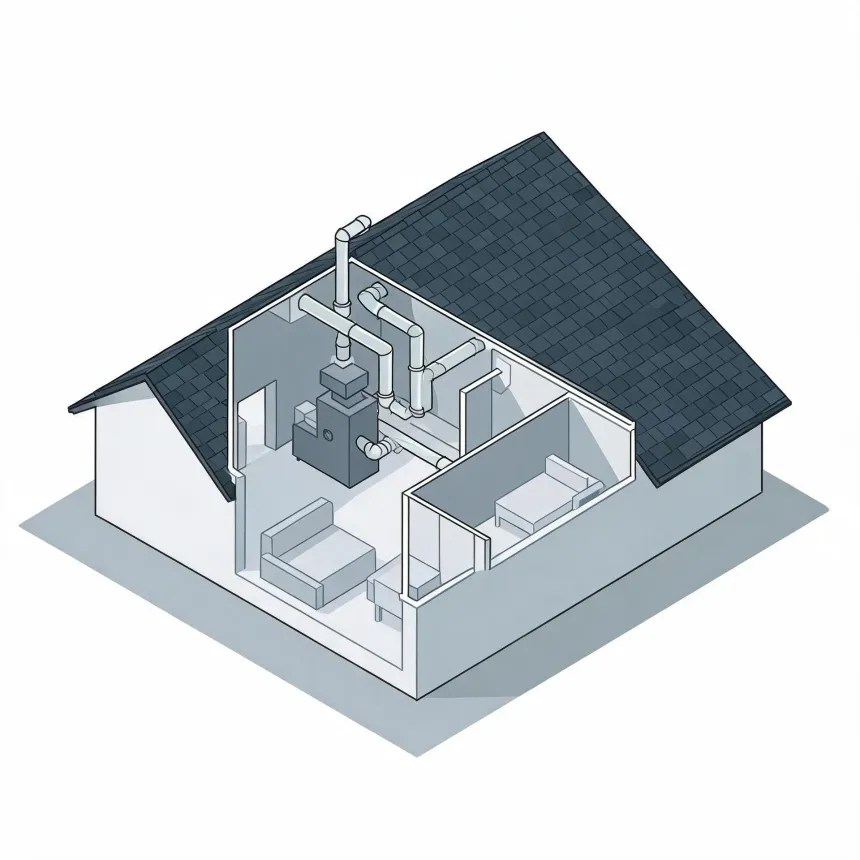
A high efficiency furnace vents through plastic pipe out a wall or up through the roof, not through the old chimney. That changes where the pipe runs, where the exhaust lands outside, and sometimes what else was sharing that chimney once the furnace stops using it. Get a straight answer on where the new vent goes before the old one comes out.
The efficiency rating on the label tells you how much of the fuel burned turns into heat in the house, and how much goes out the vent unused. A furnace with a higher rating pulls more heat out of every gallon or every cubic foot of fuel it burns. A lower rated furnace isn't broken or wrong for the job, it just asks more fuel to do the same work, and that fuel has to be paid for whether it ends up heating the house or going out the vent. Compare the rating on anything you're considering against what your current furnace carries, written down, not guessed at from the cabinet or the price. That's how you know whether you're actually gaining something or just paying more for a new box.
The old furnace comes out fast. The slower part is everything around it. The installer checks the vent pipe, the gas or oil line, and the ductwork at the plenum, because a new furnace rarely bolts up to the old connections without some fitting. Expect the work area covered and the path through the house protected, since the furnace has to travel from the door to wherever it sits. Once it's in place, the technician runs the gas or oil line, wires the control board, and connects the vent. Then comes the testing. That means checking gas pressure or oil nozzle size, checking the temperature rise across the heat exchanger, and checking that the blower moves the right amount of air for the ductwork it's tied into. A furnace that fires up but never gets tested against those numbers can run for years a little wrong. Before the crew leaves, you should see the burner cycle on and off at least once and hear what the blower sounds like at full speed, so you know what normal is going forward.