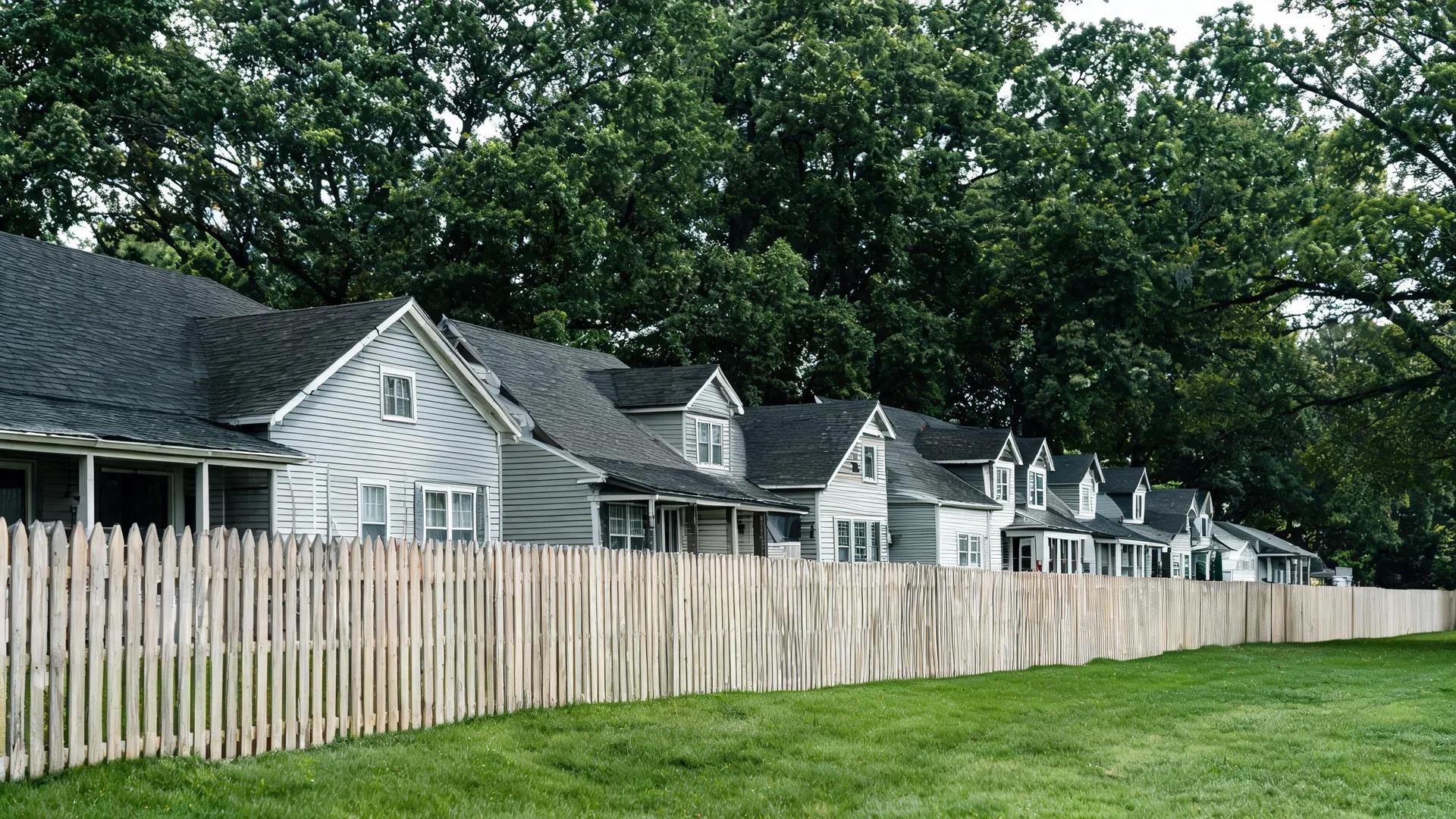







A row of similar gray-sided gabled houses behind a tall wooden picket fence, with mown grass in the foreground and large leafy trees behind.

Furnace Installation in Island Pond, VT

Tell us about the job

Takes about a minute. No obligation.

New system or replacementFurnace or heatingEssex County, VT
Step 1 of 2

What ZIP code is the job in?

A lot of homes around Island Pond still run on fuel oil, and oil ran $26.53 per million Btu in Vermont last year. That number moves with every gallon the truck delivers. A furnace that wastes less of that fuel getting heat into your rooms costs less to run on days when it's working hardest. Worth asking an installer how different furnace options compare on fuel use before deciding, since that difference shows up on every delivery from now on.

10 months
September through June, your furnace is on duty
8°F
the average winter night it heats against
80% AFUE
the federal minimum any new unit must meet
Isometric cutaway illustration of a small house showing a furnace unit connected to ductwork running through the interior and attic, with a chimney on the shingled roof and simple furniture in the rooms.
Your furnace works hardest from November through April.

NOAA nClimDiv, 1991–2020 normals

Fuel oil heats half the homes in Essex County, more than any other fuel.

An oil furnace replacement here is standard work, not a special case.

Two months of heat left before furnace season starts again

Heat runs September through June
Winter nights average 8°F
Climate zone 6A
Half the homes here were built in 1973 or earlierHalf the homes in Essex County were built in 1973 or earlier, and an older home loses heat differently than a new one does.

Ask about the AFUE rating before you sign anything. It tells you what share of each gallon actually becomes heat in your rooms, and the rest goes out the flue. A furnace a few points higher on that rating burns less oil to hold the same temperature all winter. On a fuel that costs what it does here, that difference is worth more than it looks on paper at install time.

Efficiency pays here

Power costs more here, so an efficient system pays you back on every bill.

Find a contractor
A man in a dark long-sleeve shirt and tan work pants, seen from behind, carries a canvas tool bag up porch steps toward a dark blue front door, with a potted plant beside him.
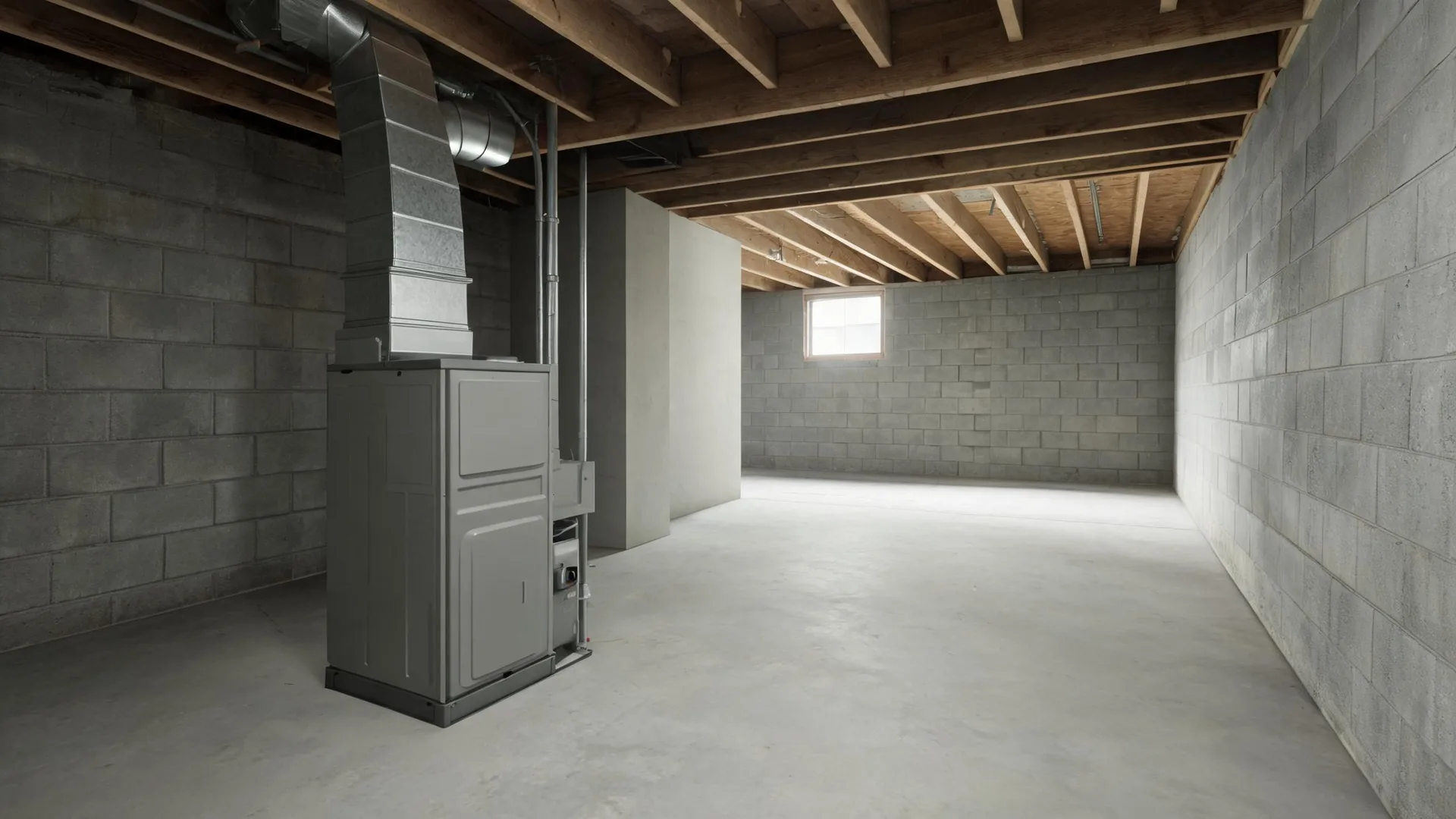
A gray gas furnace with attached ductwork and piping installed in an unfinished concrete basement.

The rating on the label is a starting point, not a running total

The AFUE number on the label is tested new, in a lab, with clean conditions. It's the ceiling, not a guarantee. A furnace holds closer to that number when the filter stays clean and the burner gets serviced on schedule, because a dirty filter makes the blower work harder and a dirty burner doesn't convert fuel as cleanly. Skip that upkeep for a few years and the real efficiency drifts below the number on the sticker, even though the furnace is the same age it was last winter. The rating also assumes the ductwork delivers the air it makes. A duct run with loose joints or a crushed section loses heat before it reaches the room, no matter what the furnace itself is rated for. So the label tells you what the equipment is capable of. What the furnace actually does in your house depends on the duct system it's tied into and whether anyone keeps up with it.

Size drives the bid

A contractor has to work out how much heat your house loses before quoting a furnace. That means a room by room load calculation, not a guess based on square footage. A furnace sized off the old unit, or off a rule of thumb, can end up too big or too small for the job, and either mistake shows up in the price before it shows up in the bill.
The venting has to match the furnace

A higher efficiency furnace vents through PVC pipe instead of a metal flue, and that pipe has to run somewhere that makes sense for your house. Moving the vent path, cutting through a wall or running new pipe outside takes more labor than hooking into a flue that is already there. That work gets decided on site, not off a price sheet.

The old furnace does not just get unplugged and left. A technician shuts off the oil line and the power, then disconnects the flue or vent pipe and the ductwork at the plenum. The furnace itself gets cut loose from the gas or oil line fittings and hauled out, usually in one piece if the doorways allow it. If it is an oil furnace, whatever is left in the line gets capped off safely. Any asbestos tape or insulation on old ductwork from that era gets handled separately, not tossed in with the rest. Once the old unit is out, the space gets checked for wear on the floor or wall behind it before the new furnace goes in.

Installation day starts with the old furnace gone and the space cleared, and most of the work after that is building the new connections right, not just setting a box in place. The furnace gets leveled and secured first, then the ductwork ties into the plenum and gets sealed at every joint, because a loose seam there leaks heated air into a space that doesn't need it. The vent pipe or flue goes in next, sloped and supported the way that furnace calls for. Gas or oil line gets connected and checked for leaks before anything is fired up. Once the furnace runs, a technician checks the temperature rise across the heat exchanger, sets the blower speed, and confirms the thermostat is talking to the system correctly. None of that shows from the outside, but it decides whether the furnace runs quiet and even or struggles through its first winter.