




What the cold here does to a heat pump
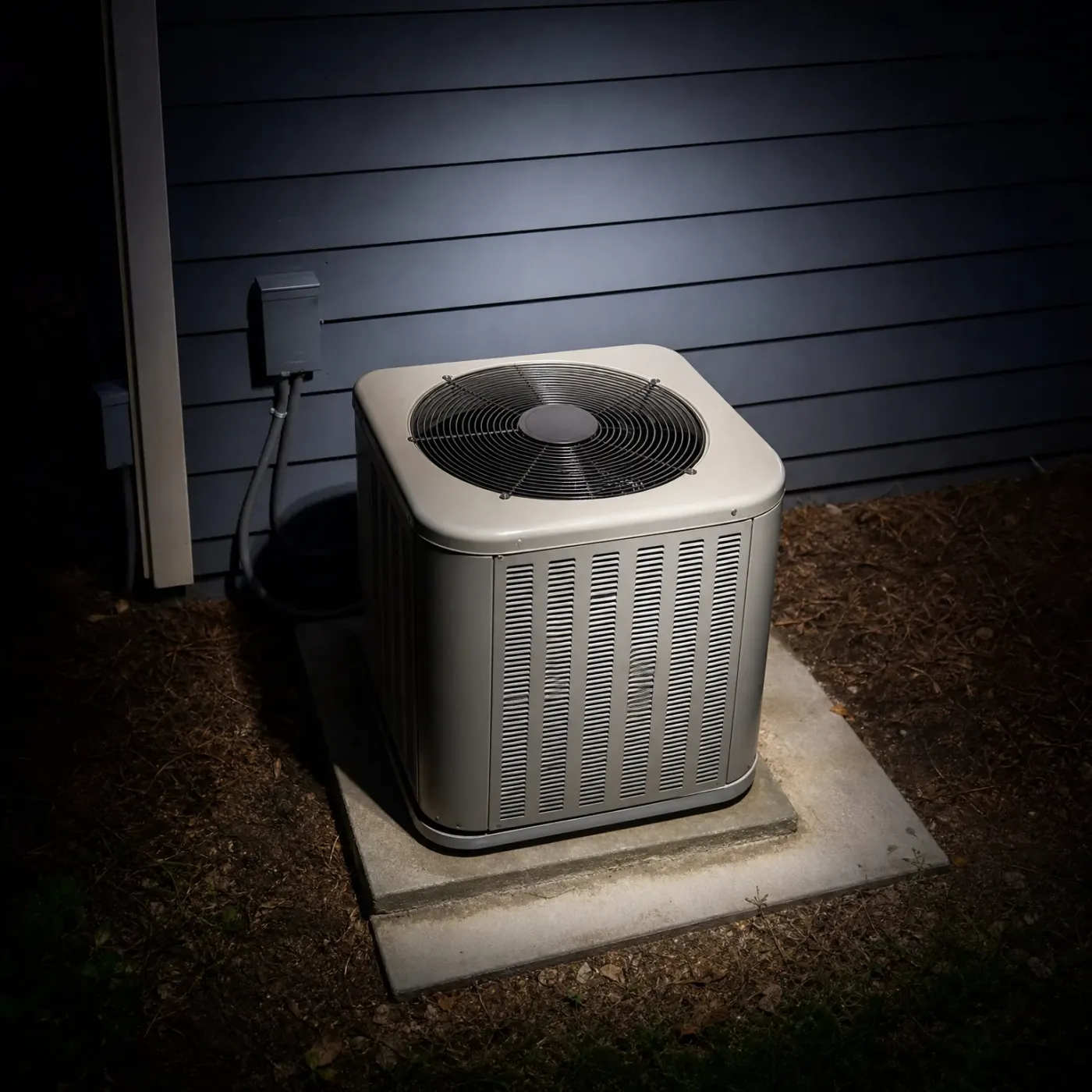
Winter nights in Essex County average 8°F, and that is the number that matters most in this choice. A standard heat pump starts losing ground before it even gets that cold. Below 40°F it already puts out less heat than its rating says. Below about 35°F it usually needs backup heat to keep up. Essex County spends about 195 nights a year at or below freezing, out of roughly 305 nights in the ten months the heat runs here. Every single one of those nights is colder than both of those marks.
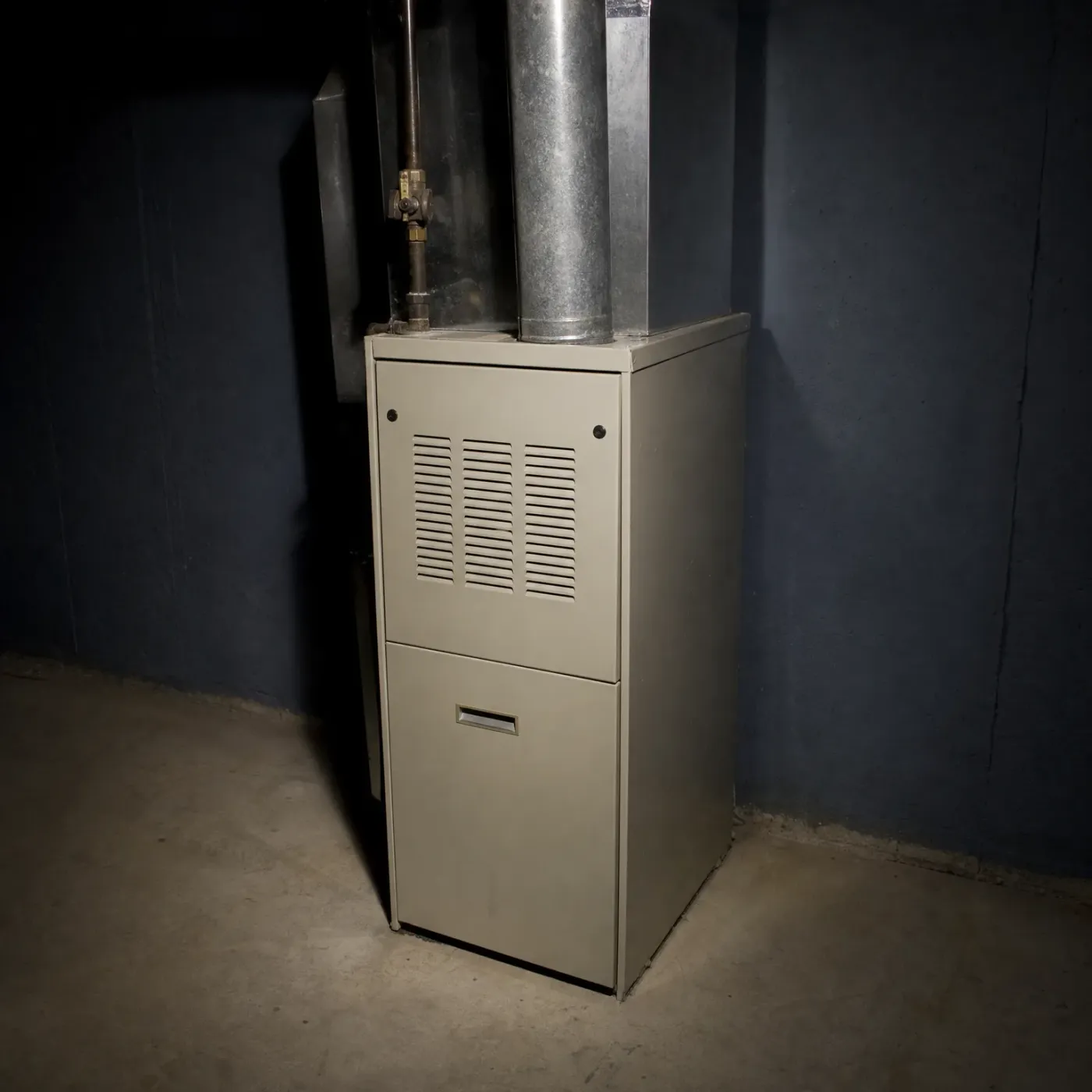
This does not rule out a heat pump. Cold climate models carry an ENERGY STAR rating that requires them to hold at least 1.75 units of heat for every unit of electricity at 5°F, and to keep at least 70 percent of their rated capacity at that temperature, checked by outside testing. Field tests of this kind of equipment, run over two winters in real houses, found that backup heat carried only a small share of the load between 0°F and 35°F, and the equipment almost never had to run on backup heat alone unless it was already below 0°F. That happens about 45 nights a year here. So the honest version is this: an ordinary heat pump will struggle on most winter nights here, a cold climate one will carry most of the load down to real cold, and either way you are deciding how much backup heat you want standing by for the coldest nights of the year.