




A row of illuminated white colonial houses along a road photographed at dusk.

Boiler Repair in Rutland, VT

Tell us about the job

Takes about a minute. No obligation.

RepairBoilerRutland County, VT
Step 1 of 2

What ZIP code is the job in?

A boiler in Rutland County runs about nine months a year, September through May. The overnight low averages 12°F across December, January and February, so the burner is cycling on and off for hours most winter nights. Winters here also bring heavy snow and ice, storm after storm, and a boiler keeps running through all of it. That kind of use wears on an ignition system and a circulator pump faster than it would somewhere milder. When something acts up on a boiler that's been run this hard, it's worth having someone trace the actual cause rather than just clear the symptom.

Half the homes in Rutland County were built in 1969 or earlier.

If your boiler came with a house that old, it may be near the end of its working life, worth asking about before you pay for a big repair.

Oil here runs $26.53 per million Btu, and a boiler that's not running right burns more of it every month it goes unfixed

Heat runs September through May
Winter nights average 12°F
66 winter storms from 2015 to 2024
Don't let it run like that till springA boiler burning oil poorly wastes it every month it runs that way

September is when heat starts here, and that first cold week is when a weak part usually shows itself. A boiler that sat idle since spring gets asked to fire up and hold a house warm all night, and whatever was already marginal, a cracked ignitor, a pump that was starting to stick, tends to fail right then rather than in the easier months. Getting a boiler looked at in August, before it's running every day, means a repair happens on your schedule instead of during a cold snap. Homes here keep this machine on through May, so a problem caught early has nine months of work ahead of it either way.

Find out what's actually wrong before it runs through another winter

A boiler that's been cycling on and off for hours every winter night since September has had plenty of chances to wear a part down. If yours is acting up, have someone find the actual cause now instead of just quieting it, since it still has months of winter left to run.

Find a contractor

Most no-heat calls trace back to ignition or water

A boiler that won't fire usually has a fouled igniter or a flame sensor coated with residue so it can't prove a flame is lit. Low water pressure or a stuck float on the feed valve causes the same complaint. Both are quick for someone to check and rule out.
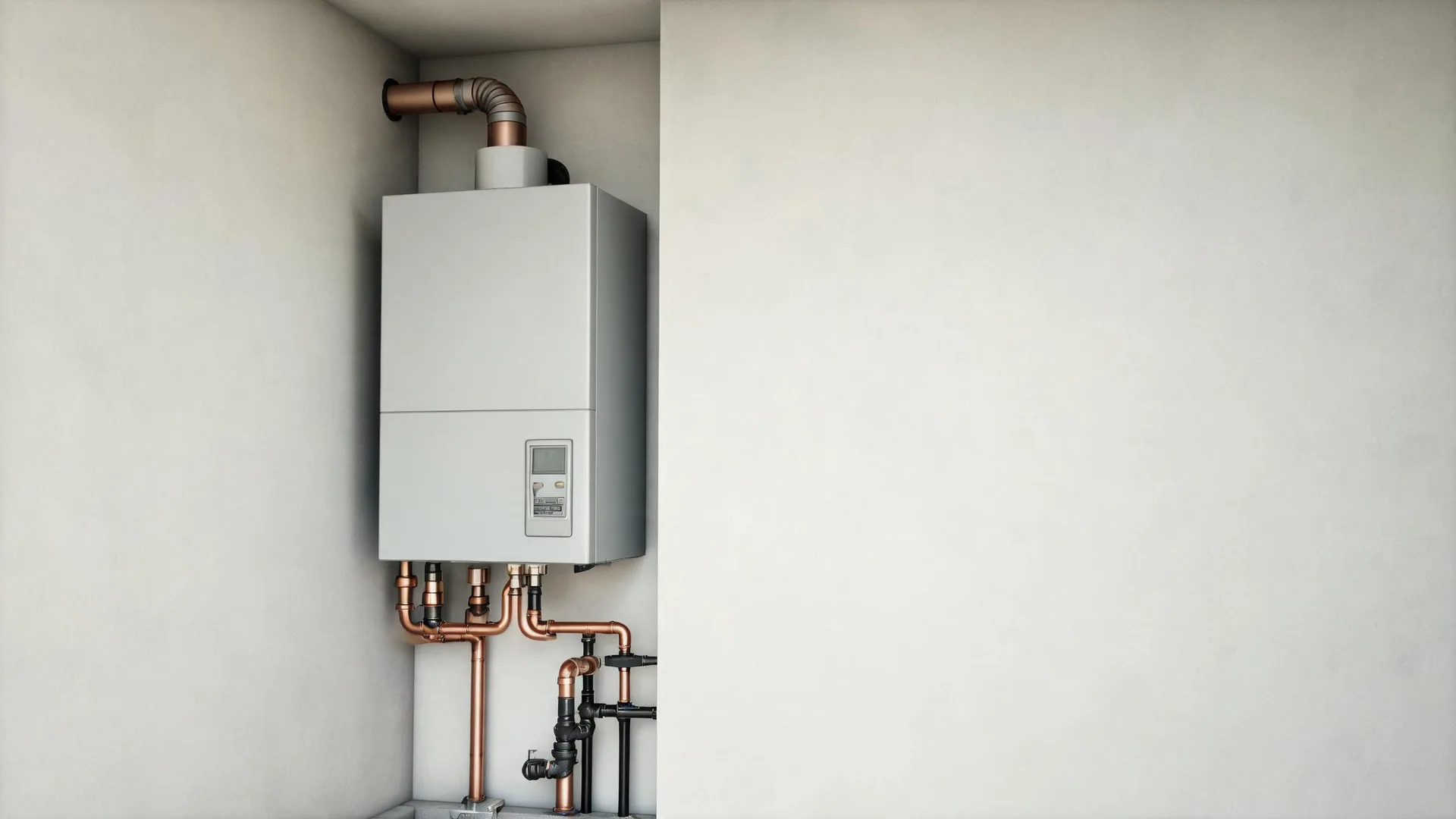
The parts that fail are the parts that move or spark

A circulator pump wears at the bearing or seal until it leaks or seizes, and once it stops the boiler can fire all day without sending heat anywhere. Anything built to strike a spark or hold a flame wears the same way, a little at a time. A pump going bad rarely looks wrong from the outside. Someone has to run the system and watch it work.

A boiler that needs attention rarely just stops working. It makes noise first, a kettle-like rumbling or banging in the pipes as sediment builds on the heat exchanger and steam pockets snap through it. Radiators or baseboards that used to heat evenly start running cool at one end, which points to trapped air or a zone valve that isn't opening all the way. Short cycling, where the burner fires, shuts off, then fires again a few minutes later, usually means the water pressure is off or a safety control is tripping before the system gets up to temperature. A pilot or igniter that won't hold, or a burner flame that looks yellow and ragged instead of steady blue, means combustion isn't happening the way it should. Any of these is worth having someone look at before the boiler stops producing heat altogether.

A diagnostic visit starts with questions. What is the boiler doing, when does it happen, has the noise or the cold spot been there a week or a month. Then the panel comes off and someone watches it run through a full cycle, because a lot of these faults only show up once the burner actually fires. Water pressure gets checked at the gauge. The flame gets watched for color and shape. The igniter or flame sensor gets pulled and checked under a light for the film that builds up on them. If the complaint is uneven heat, each zone valve gets checked to see it opens all the way, and radiators get bled to rule out trapped air. A hand goes on the circulator pump while it runs, since a failing bearing often shows up as noise before it shows up as a leak. By the end there should be one part to point to, not just a guess at the symptom.