





A two-story red brick house with dark shutters and a gray roof sits behind a mowed lawn, a dry-stacked stone retaining wall, and large deciduous trees under an overcast sky.

Boiler Repair in Barre, VT

Tell us about the job

Takes about a minute. No obligation.

RepairBoilerWashington County, VT
Step 1 of 2

What ZIP code is the job in?

Nine months of heat a year is a long stretch on a boiler. From September through May that burner is cycling on and off most days, and on the hard nights, when the low drops to 10°F, it's running long stretches just to hold the house steady. That kind of use adds up faster than it would somewhere with a short winter. A pump, a valve, an igniter, whatever's giving you trouble now, it's likely just worn in ahead of schedule from the load this county puts on it. Worth having someone trace it back to the actual part before anything gets replaced.

Boilers here start running in September.

A part that's been weak all summer won't hold once the September load hits it.

Half the homes in Barre were built by 1973

Half the homes here were built by 1973
Heat runs September through May
Winter nights average 10°F
Running a boiler here costs moreFuel oil in Vermont ran $26.53 per million Btu in 2024

Washington County gets its share of rough weather, but none of it points at your boiler. Wind and hail hit the roof, the siding, the power lines. A boiler sits in the basement doing the same job it always does, season after season, whatever the weather is doing outside. Power is the one real connection. Vermont households lost power for a full day or more often enough last year that it's worth asking about, and a boiler with no power won't fire no matter what else is wrong with it. If yours quit during a storm, check the power before you assume the worst.

Find the worn part before it takes the next one with it

Get the part that's actually worn checked before it takes another one down with it. A boiler running nine months a year doesn't give a weak pump or valve any time off to show itself slowly.

Find a contractor
A man in a cap, dark long-sleeved shirt and brown work pants walks up porch steps toward a gray front door, carrying a worn canvas tool bag filled with hand tools.

Kettling or banging means sediment in the block

A boiler that bangs, knocks or makes a sound like a kettle coming to boil has sediment built up on the heat exchanger. The water under that sediment flashes to steam and that's the noise you hear. It won't clear on its own, and left alone it stresses the exchanger until it cracks.
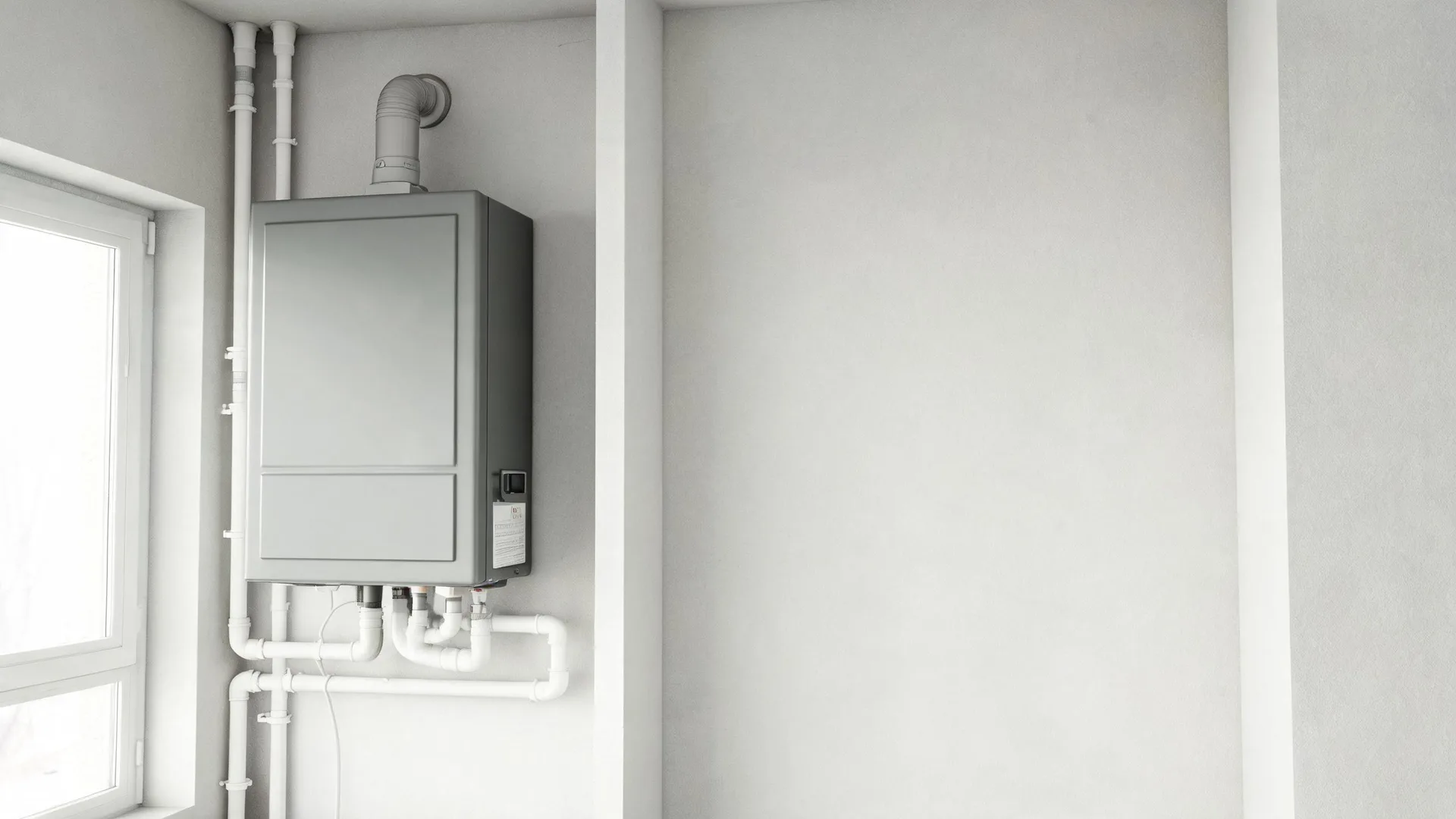
A pilot or igniter that won't hold is worth a same-week call

If the pilot keeps going out, or the igniter clicks but nothing lights, you're looking at a thermocouple, flame sensor or igniter on its way out. None of those take long to replace. But a boiler that won't stay lit is a boiler that isn't heating, and that's not something to sit on.

A lot of boiler trouble starts with water, not fire. Minerals in the fill water settle out over years and coat the heat exchanger, and once that layer builds up the boiler has to work harder to move heat into the house. Low water pressure causes its own set of problems, tripping the system off before it ever gets going. Circulator pumps wear from running, not from age sitting idle, so a pump that's logged long hours is the one worth checking first. Zone valves stick or fail to open fully, which can leave one part of the house cold while the rest heats fine. Most of what fails in a boiler fails slowly, giving off a sound or a short cycle long before it quits outright.

Age by itself doesn't tell you much. A boiler that's old but still holding pressure, lighting clean, and heating evenly can be worth repairing again. What matters more is the heat exchanger. Once that's cracked, or coated with enough scale that it can't move heat properly, you're replacing the boiler, because that part isn't something you swap out on its own. A pump, a valve, an igniter, a thermocouple, those get fixed and the boiler goes on running. If a technician starts finding a second problem shortly after fixing the first, that pattern matters more than any single repair. It usually means the boiler is wearing out generally, not failing in one spot.