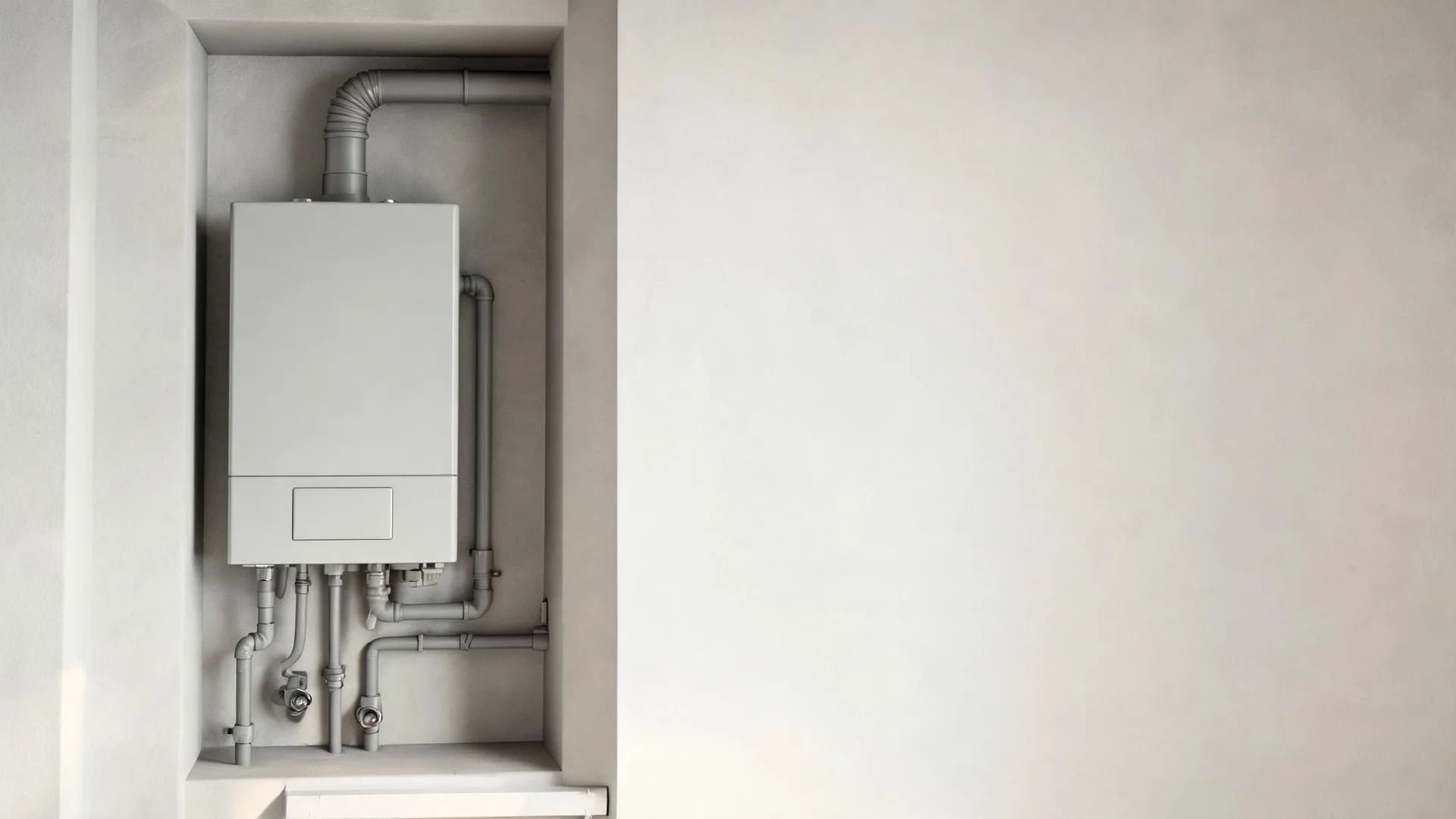
Nine months of runtime
Boilers in Alburgh fire from September through May, with overnight lows averaging 13°F in December, January and February. That is most of the year spent heating against hard cold, not just a stretch of winter.
Takes about a minute. No obligation.
Boilers in Alburgh fire from September through May, with overnight lows averaging 13°F in December, January and February. That is most of the year spent heating against hard cold, not just a stretch of winter.
A boiler that runs nine months against cold like that wears its parts sooner than one that gets long stretches off. A noise, a short cycle, or a pilot that will not hold is usually that wear catching up, not a fluke.
Half the homes in Grand Isle County were built in 1984 or later.
A boiler that came with a newer house still has years in it, and that makes repair the right first call.



Boilers in Alburgh start their season in September. August is worth a look first, before the cold sets in and the boiler is running every day. A part that was already weak, a cracked electrode or a failing circulator, tends to hold on through the off months and give out in the first hard week of firing. If a boiler struggled at the end of last season, it will likely show the same trouble again in the first weeks of this one. Getting it looked at in August means a repair happens on a mild day instead of a cold one.
A boiler firing nine months a year against lows near 13°F doesn't wear evenly. It wears at the weak point. A diagnosis finds that point instead of guessing at it, so whatever gets replaced is the thing that actually needs it.
Find a contractor
A circulator pump pushes water all day long, and its bearings are usually the first thing to go. A failing one will hum, grind, or seize outright, and then no heat reaches the radiators or baseboard even though the boiler itself fires fine. Electrodes and igniters crack or foul after enough cycles too, and once one does, the boiler tries to fire, fails, and locks out.
A boiler low on water will short cycle or shut down on its safety switch, and if it runs low for long enough, the heat exchanger can crack from the stress. Scale and sludge inside that exchanger block heat transfer the same way, so the burner runs longer to do the same job and the metal takes more punishment doing it.
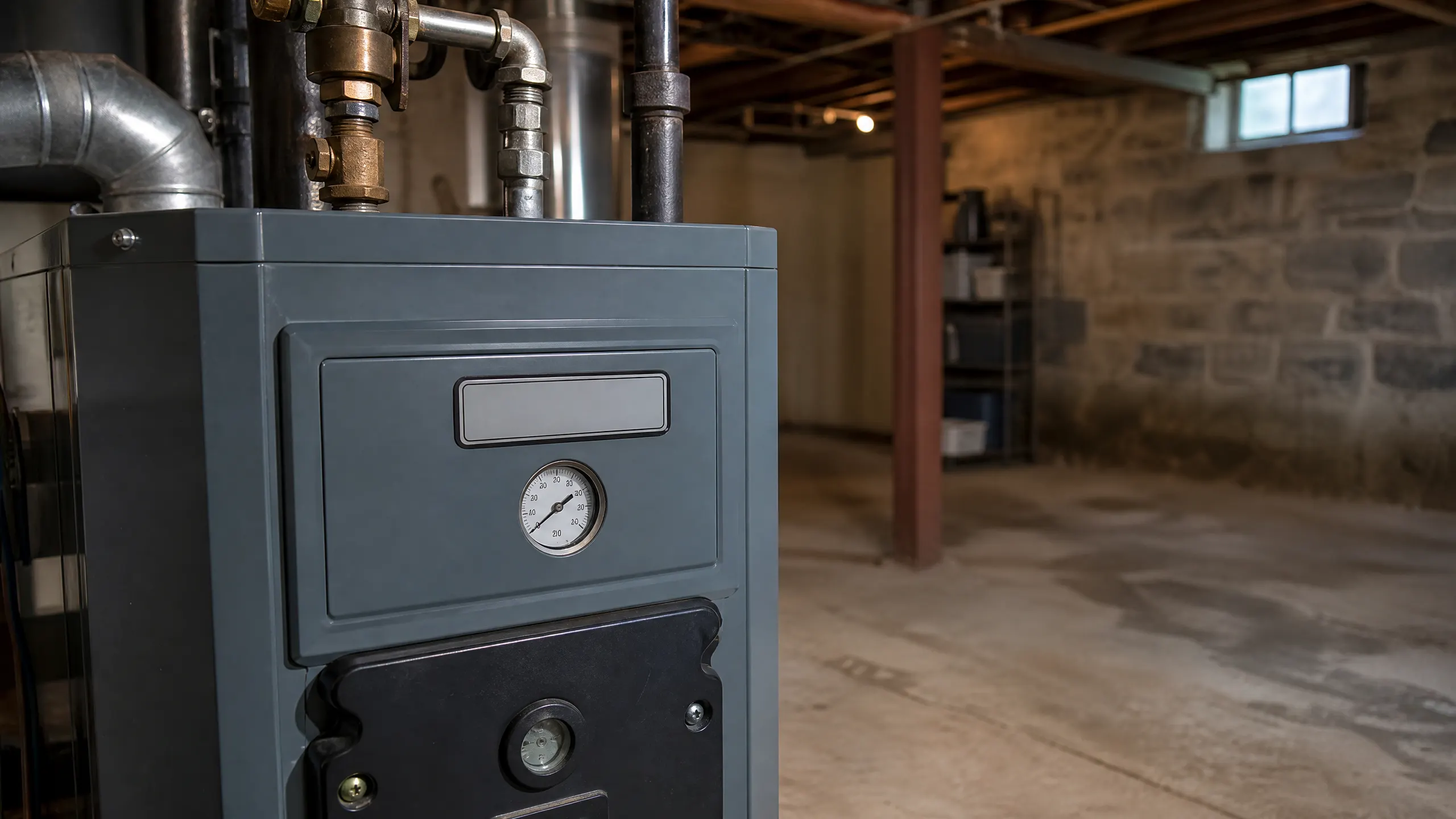
Before calling anyone, look the boiler over yourself. Check the pressure gauge and see where the needle sits. If it has dropped well below the normal range marked on the gauge, low water is likely already behind any short cycling. Look at the flame through the sight glass or viewport. A flame that burns yellow or orange instead of blue usually means a burner that needs cleaning, not a part that needs replacing. Listen near the circulator pump for a hum, grind, or squeal, since that kind of noise usually shows up before the pump seizes outright. Check the floor around the boiler for puddling and the jacket for a rust trail, both signs of a leak working its way out. If the system has a reset button, you can try it once, but a boiler that locks out again right after is telling you something a reset will not fix.
A diagnostic visit starts before any panel comes off. A tech will ask what the boiler was doing. Short cycling, locking out, running but not heating, making noise, each points down a different path. Then the gauges get checked, pressure first, since low water explains a lot of symptoms by itself. The flame gets looked at through the sight glass, because color tells you right away whether the burner is clean or fouled. From there it's the circulator, the electrodes, the igniter, each one ruled in or out rather than guessed at. A boiler that locks out gets its control board read, since most boards store a fault code that points straight at what tripped the safety switch. The point of all this is to find the one part actually failing, not to replace parts until something works.