


What this cold actually does to a heat pump
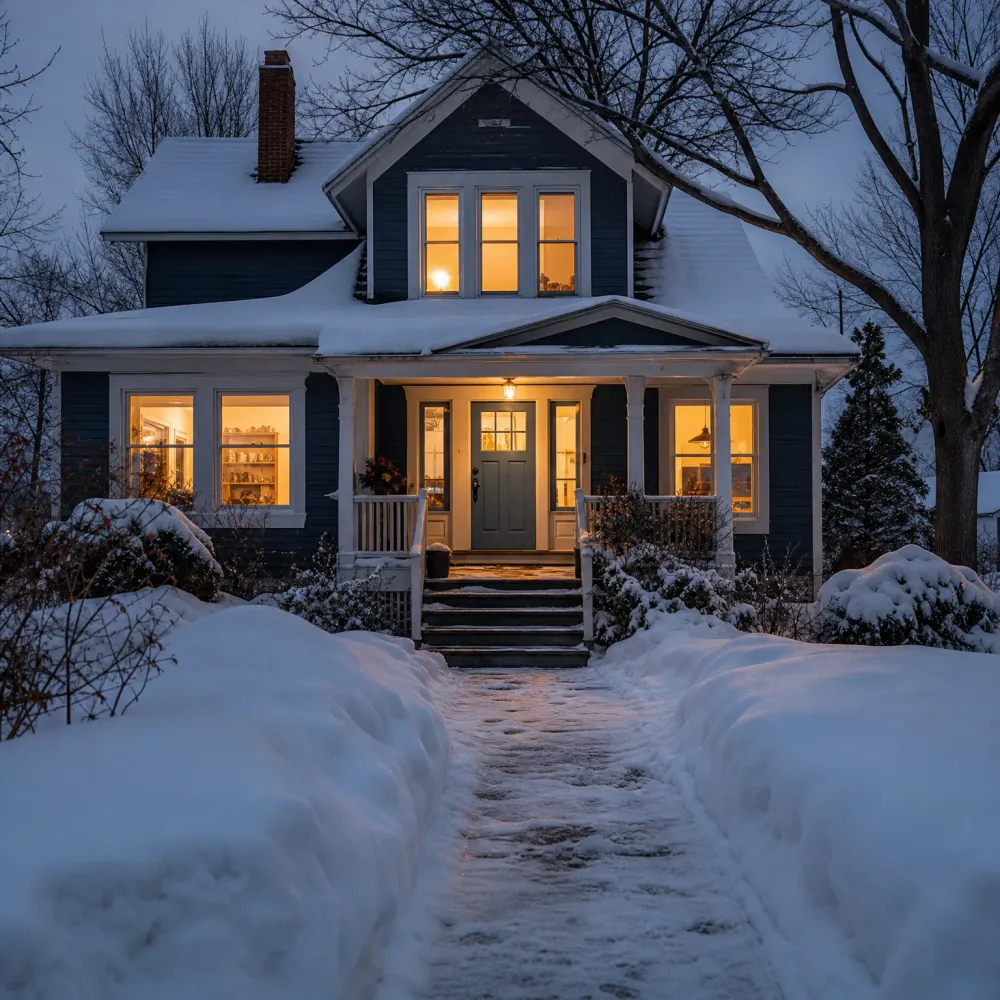
Winters here are the kind that test a heat pump. The overnight low averages 14°F across December, January and February, and it falls to freezing or below on about 170 nights a year, over half the nights in the nine months your heat runs. A standard heat pump starts losing ground before it even gets that cold. Its heat output falls short of the rating once it's below 40°F outside, and below about 35°F it often needs backup heat to keep up. By those marks, this county's average winter night is already past both lines, and every one of those 170 freezing nights is too.
That doesn't mean a heat pump can't heat your house here. It means it won't do it alone on most winter nights, and something else has to pick up the difference. About 15 nights a year here reach 0°F or below, a small share of the cold nights but not a rare one. If you go with a heat pump, what happens on those nights matters as much as what it costs to run on a mild one.
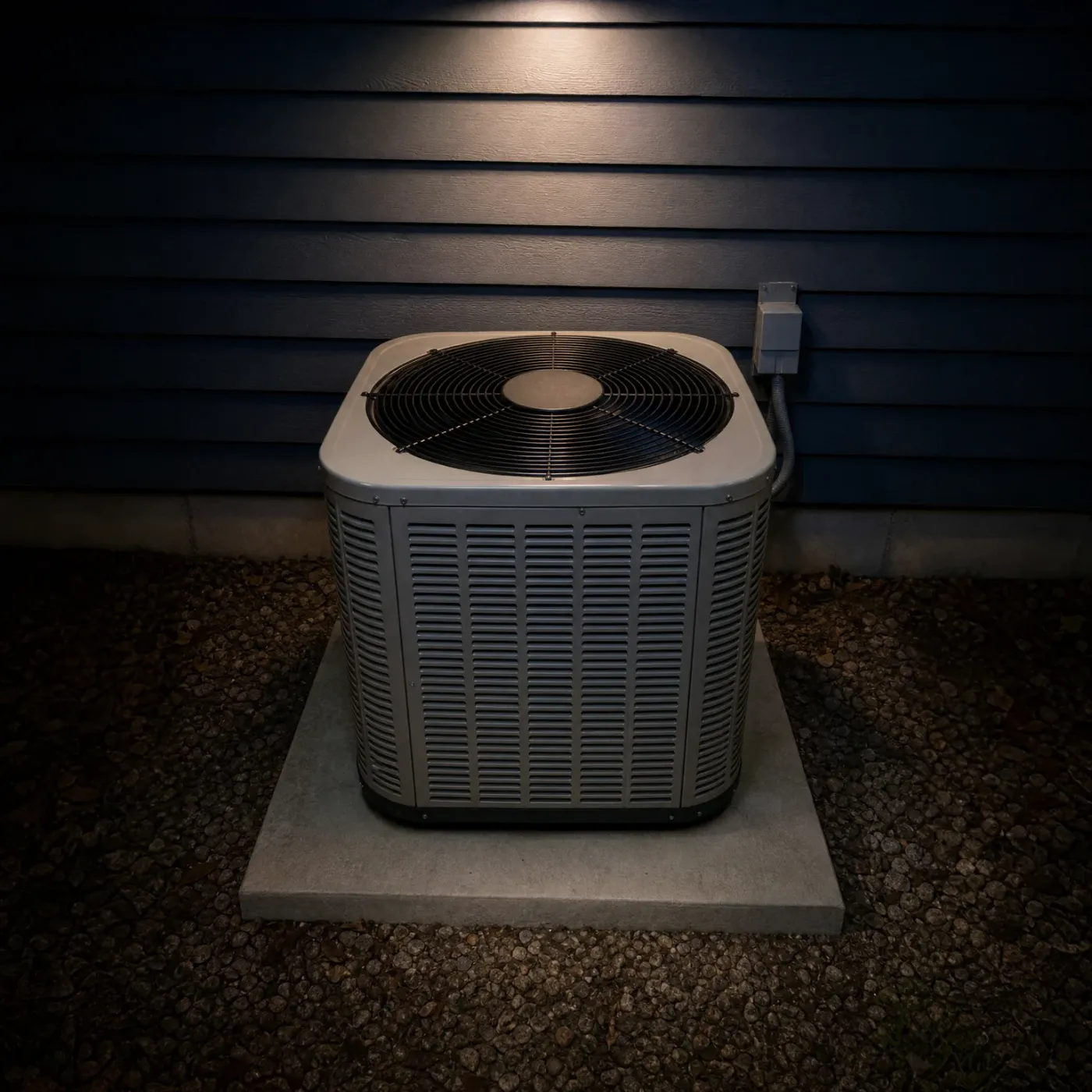
There's a real answer to that, not just a worry. A heat pump built to carry the ENERGY STAR Cold Climate label has to keep making at least 1.75 units of heat for every unit of electricity at 5°F, and hold onto at least 70 percent of its 47°F capacity at that temperature, checked by outside testing rather than the manufacturer's word. In a two-winter field test of cold-climate models running in occupied homes, backup heat covered only a small share of the load between 0°F and 35°F, and running on backup alone was rare even above 0°F. The standard heat pump math and the cold-climate heat pump math are different arguments. If you're buying a heat pump for a Windham County winter, the cold-climate version is the one built for it.